walking upstream…
George Jones
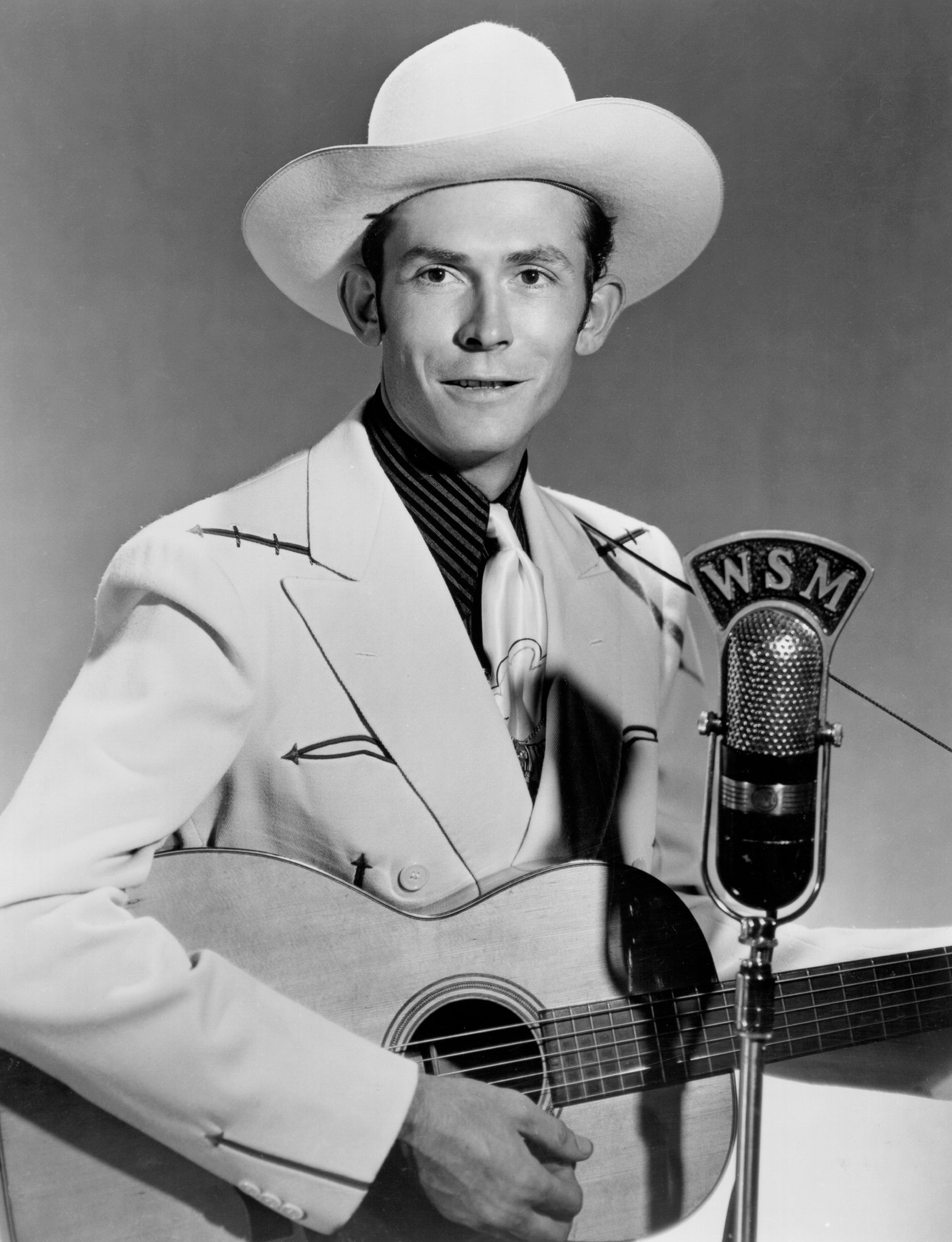
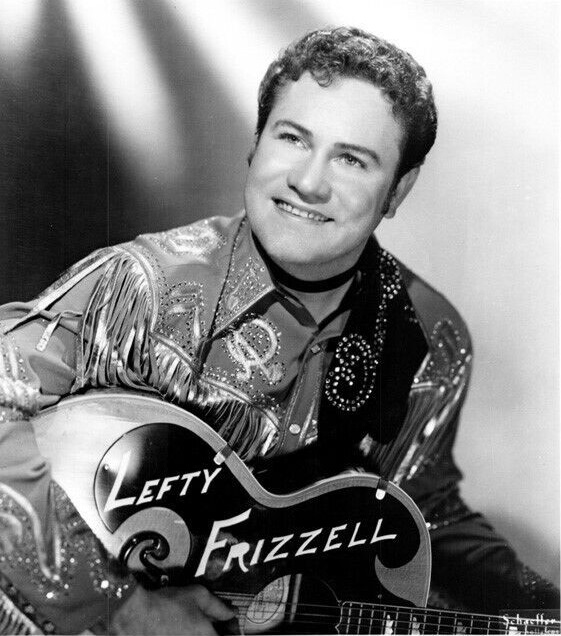
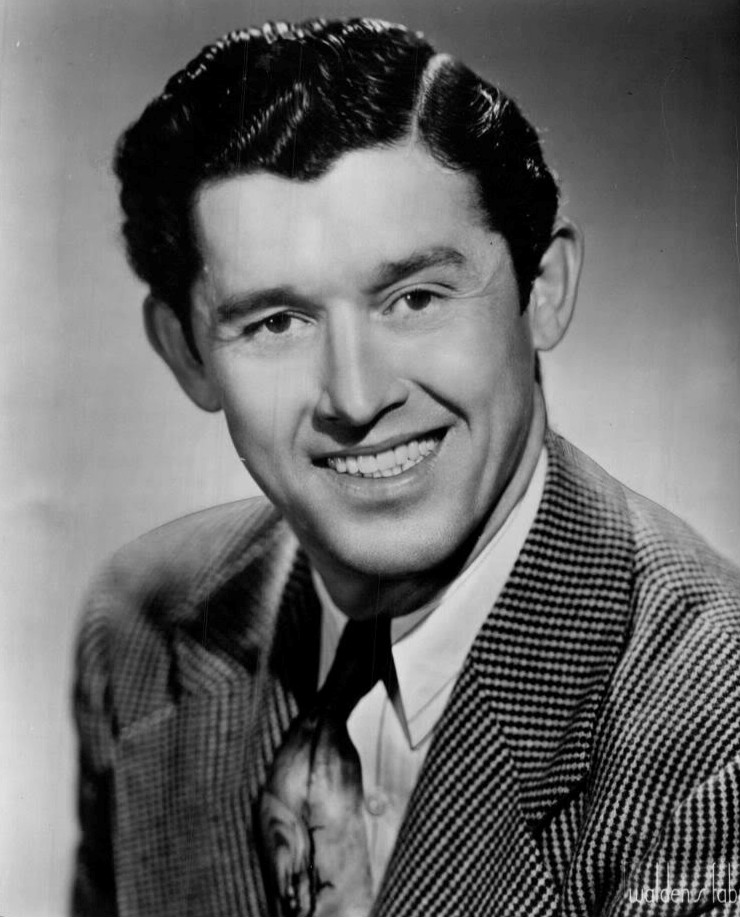
 photo: secisek · public domain ↗
George Jones
sourcesBiography.com — George Jones (childhood, career timeline) · Country Music Hall of Fame — George Jones (career honors, triumvirate framing) · Billboard — The Billboard Interview, 2006 (Jones on Acuff and Frizzell, his own words) · NPR — George Jones · American Songwriter — On this day in 1954 (backs the Waylon Jennings tribute quote) · AllMusic — Hank by George (backs the two Hank Williams tribute albums)
In the Big Thicket piney woods of East Texas, the one night a week nine-year-old George Jones was allowed to lie in bed between his parents was Saturday, radio tuned to the Grand Ole Opry, and he'd beg his mother to wake him the moment Roy Acuff came on. His father's drinking made the rest of the week hard; music, sung in hymns and heard on scratchy records, was the family's truce. Producer Pappy Daily signed him to Starday Records in 1953, and by 1955 "Why Baby Why" had made him a Top Five act. Billy Sherrill's productions later turned Jones's ache into monuments — "He Stopped Loving Her Today" won a Grammy in 1980 — but the raw material was always the same voice that first learned to imitate Acuff, Hank Williams, and Lefty Frizzell before becoming, unmistakably, only George Jones's.
the sound in question
1980
He Stopped Loving Her TodayGeorge Jones
walk the tributaries ↓
Hank Williams1940s-50s · Country / Honky-tonk
Jones was a teenager the day he finally stood beside his idol at a radio station, guitar in hand, ready to back Hank Williams on "Wedding Bells." He never played a note. "He finished the song & I haven't hit a note," Jones recalled decades later. "Not a note. I just stared at him, I was amazed." It was the same devotion he'd confessed to a documentary crew years earlier: he couldn't eat or think about anything but the next Hank Williams record. Two decades after that radio-station freeze, still paying the debt, he recorded a full studio tribute, George Jones Salutes Hank Williams.
listen: upstream & heresource: Whiskey Riff — Jones recalls meeting Hank Williams (backs the radio-station anecdote) ↗
1951
Cold, Cold HeartHank Williams
1960
Cold Cold HeartGeorge Jones
listen forPlay Hank Williams's 1951 "Cold, Cold Heart" against Jones's 1960 version from George Jones Salutes Hank Williams and the debt is in the restraint: both singers let a steel guitar do the crying instead of the voice, holding the melody close to a murmur rather than a swoop. Jones isn't out-singing Williams here — he's studying him, matching the plainspoken phrasing line for line, the same discipline he'd later stretch into a fully independent instrument.
Lefty Frizzell1950s · Honky-tonk / Country
Frizzell's gift, Jones said more than once, was pure technique. "And then Lefty came along," he told NPR in 2010. "He'd take a word and twist it around... that just tore me up." Discussing his own "Bartender's Blues" with Billboard in 2006, Jones got specific: "I got that part from Lefty. He always made five syllables out of one damn word." In 1973 he made the debt literal, recording his own version of Frizzell's "Mom and Dad's Waltz."
listen: upstream & here
1951
Mom and Dad's WaltzLefty Frizzell
1973
Mom and Dad's WaltzGeorge Jones
listen forCompare Frizzell's 1951 "Mom and Dad's Waltz" to Jones's 1973 recording of the same song and count the syllables: Frizzell drags words like "story" and "glory" across three or four notes apiece, refusing to land squarely on the beat, and Jones's cover keeps that same unhurried stretch, note for note — the phrasing lesson he named outright in interviews given decades apart.
Roy Acuff1930s–40s · Country / Old-time / Gospel
The one night a week George Jones's parents let him climb into their bed was Saturday, radio tuned to the Grand Ole Opry. "I'd tell my mother, 'If I go to sleep, you wake me up when Bill Monroe or Roy Acuff comes on,'" he told Billboard in 2006. "I loved Roy Acuff with all my heart." Decades later he still called Acuff, Hank Williams, and Lefty Frizzell his "youthful triumvirate," but Acuff came first — the unadorned, quavering hillbilly tenor Jones heard before he'd heard anyone else.
listen: upstream & here
1936
The Great Speckled BirdRoy Acuff
1955
Why Baby WhyGeorge Jones
listen forSet Acuff's 1936 "The Great Speckled Bird" beside Jones's breakout 1955 single "Why Baby Why" and listen for a shared refusal to prettify: both voices sit forward and nasal, more preached than crooned, with a plain string band doing the work behind them. Jones hasn't found his elastic phrasing yet — that's Frizzell's future contribution — but the direct, unornamented ache already resembles the sound he grew up begging to stay awake for.