walking upstream…
George Strait
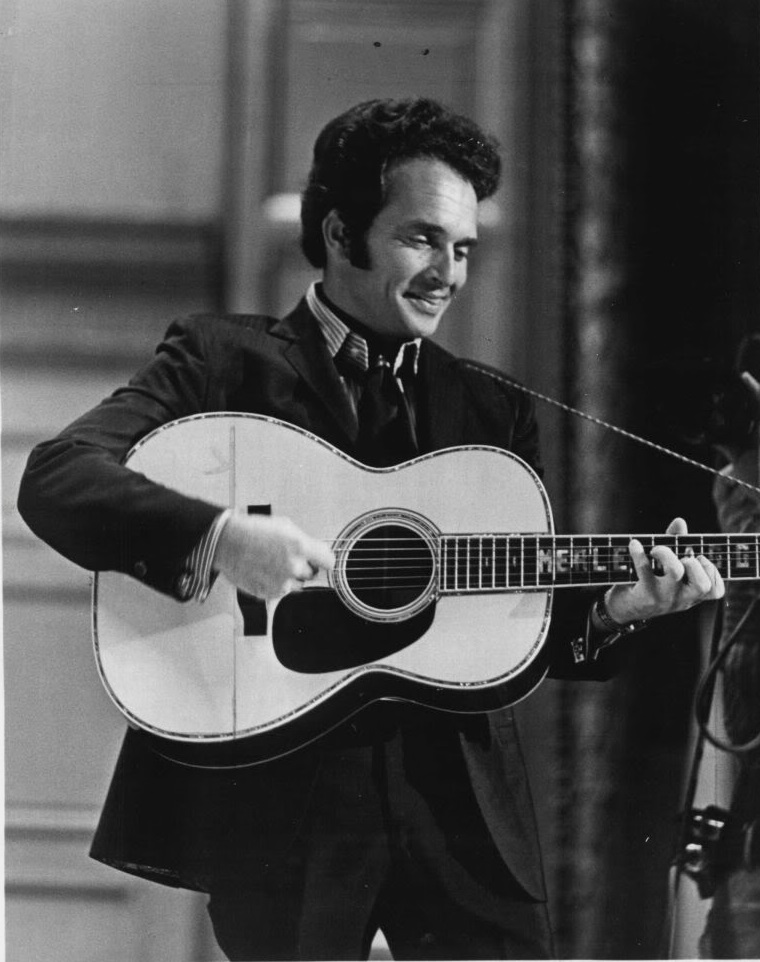

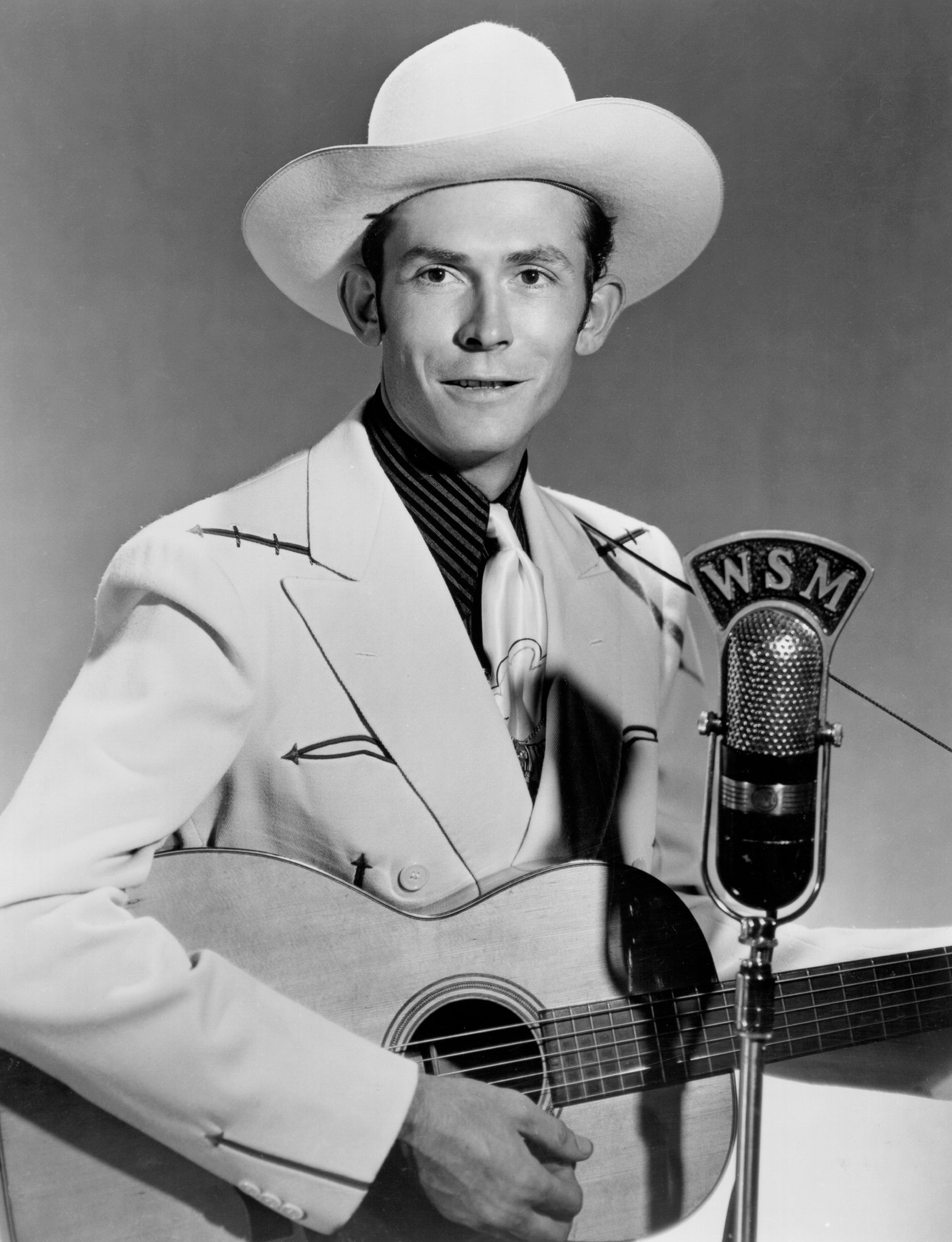
 photo: bede735 · cc by-sa 3.0 ↗
George Strait
sourcesBillboard — George Strait · Country Music Hall of Fame — George Strait biography (Army years in Hawaii, audition for the base's country band) · Wikipedia — Right or Wrong (George Strait album) (single release and chart history for Strait's 1984 cover) · WhoSampled — George Strait's cover of George Jones's "Love Bug" (cover documentation) · AllMusic — Honkytonkville (critical description of "Look Who's Back From Town"'s Hank Williams-styled twang)
In 1973, stationed with the U.S. Army in Hawaii, George Strait auditioned for the base's country band and won the job, a strange turn for a Beatles fan who'd played garage rock through high school on his family's cattle ranch in Pearsall, Texas. "The Beatles were big," he said of those years. But the shift had begun already: a radio spin of Merle Haggard's "Okie From Muskogee" right after graduation "pretty much did it for me," he later said. In the barracks he bought a cheap acoustic guitar, learned three chords, and worked through a stack of Hank Williams sheet music. Discharged in 1976, he took that apprenticeship into Texas honky-tonks, then a 1981 record deal, then four decades and more number-one singles than any act in any genre — country's quietest revolutionary, built entirely from other people's homework.
the sound in question
1983
Amarillo by MorningGeorge Strait
walk the tributaries ↓
Merle Haggard1960s–70s · Country / Bakersfield sound / Outlaw country
The Haggard record that mattered most to Strait wasn't "Okie From Muskogee" itself but what came after it. "Then I listened to his tribute album to Bob Wills called A Tribute to the Best Damn Fiddle Player in the World," he told Billboard, "and that's what hooked me on western swing music." Haggard had gone looking for surviving members of Wills's Texas Playboys, fiddler Johnny Gimble among them, to cut the songs straight, with no ironic distance. Strait went looking for the same catalog a few years later, and for a similar reason: to build a career built to last, the way his heroes had.
listen: upstream & heresource: Discogs — Merle Haggard, A Tribute to the Best Damn Fiddle Player in the World (track list and Texas Playboys personnel on "Right or Wrong") ↗
1970
Right or WrongMerle Haggard
1984
Right or WrongGeorge Strait
listen forHaggard's 1970 version of "Right or Wrong," recorded with actual former Texas Playboys, rides on twin fiddles trading the melody back and forth over a walking, dancehall shuffle — western swing played as reverence, not nostalgia. George Strait's 1984 cover of the same song, the title track and number-one single from his album Right or Wrong, keeps that shuffle and steel-guitar swing intact, right down to the fiddle break, proving the tribute album had done its work: a 1921 pop tune, filtered through Bob Wills and then Haggard, arrived on country radio sounding brand new again.
George Jones1950s–80s · Country / Honky-tonk
Strait didn't just admire George Jones's voice; he studied his career plan. "I just always knew that I wanted a career like Merle Haggard or George Jones," he told Cowboys & Indians. "I wanted to still be relevant when I got older. Those guys are still relevant and always will be in my book." The debt wasn't only abstract. In 1994, Strait recorded Jones's 1965 single "Love Bug" as his own single — a direct, deliberate cover of the man he'd named as a career model, released while Jones was still very much charting hits of his own.
listen: upstream & heresource: Cowboys & Indians — George Strait interview (Strait's own testimony on modeling his career after Haggard and George Jones) ↗
1965
Love BugGeorge Jones
1994
Love BugGeorge Strait
listen forJones's 1965 original leans on a honky-tonk shuffle and his signature trick: bending and holding a syllable a half-beat past where the melody expects it, so a plain lyric sounds wrung out. Strait's 1994 remake keeps the tempo and arrangement close to identical but flattens that vocal drama into his own steadier baritone — same words, same shuffle, a different kind of restraint. The comparison says as much about what Strait left out of Jones's style as what he kept: the commitment to the honky-tonk form itself, minus the theatrical ache.
Hank Williams1940s-50s · Country / Honky-tonk
The most literal apprenticeship Strait served was to Hank Williams. American Songwriter's account of his 1973 Army hitch put it plainly: stationed in Hawaii, Strait "bought a cheap old acoustic guitar, learned three chords, got him a bunch of Hank Williams sheet music and went to town." He wasn't absorbing a feeling by osmosis; he was working out, chord by chord, how Williams built songs that sounded plain and cut deep anyway — the same three-chord frame Strait would lean on for the rest of his ballad-writing career.
listen: upstream & heresource: American Songwriter — "Born in Texas...the King of Country" (Army-years account of studying Hank Williams sheet music; the Beatles quote) ↗
1949
I'm So Lonesome I Could CryHank Williams
2003
Look Who's Back From TownGeorge Strait
listen forWilliams's 1949 original strips down to voice, steel guitar, and fiddle, his high, cracking delivery turning three plain chords into something that sounds like it's barely holding together. Strait's 2003 "Look Who's Back From Town" borrows that same spareness — steel guitar answering the vocal line, no ornament between the words and the ache — and a review of the album that housed it heard the connection directly, describing the track's twang as lonesome and rueful in the Hank Williams mold, decades and a far smoother voice removed.