walking upstream…
Merle Haggard
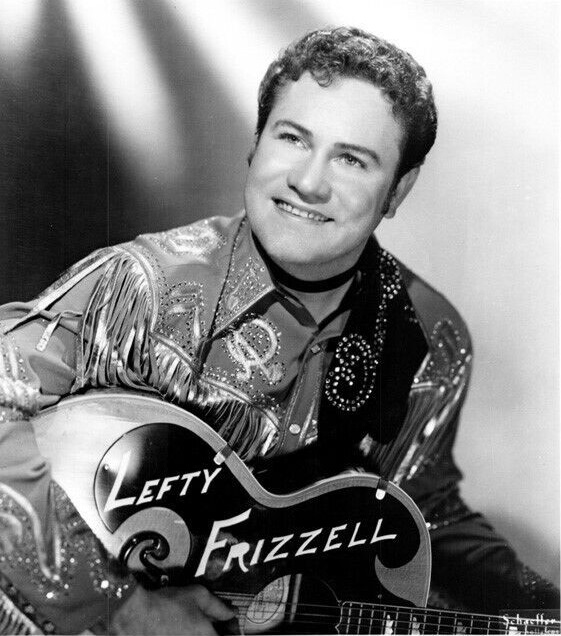
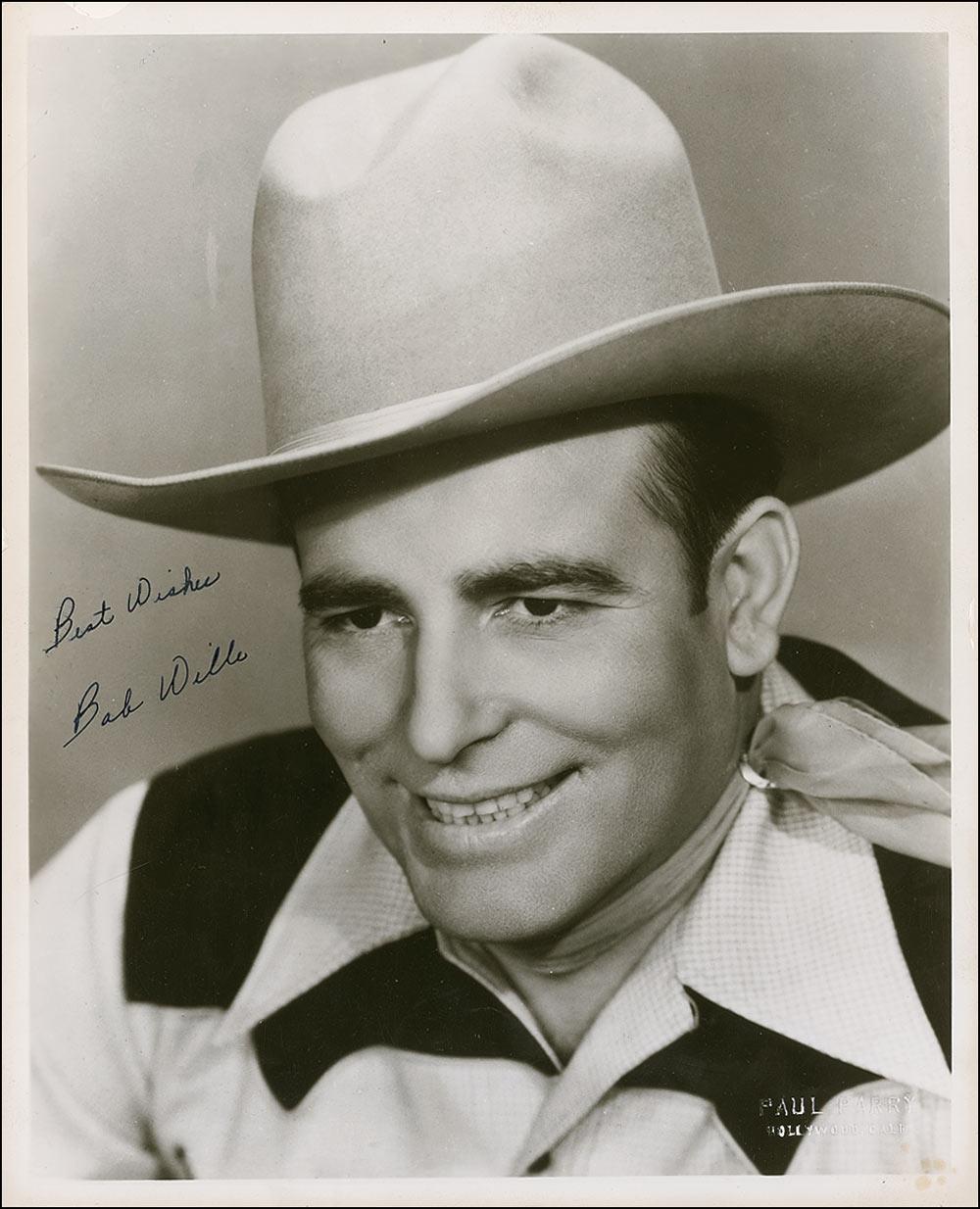

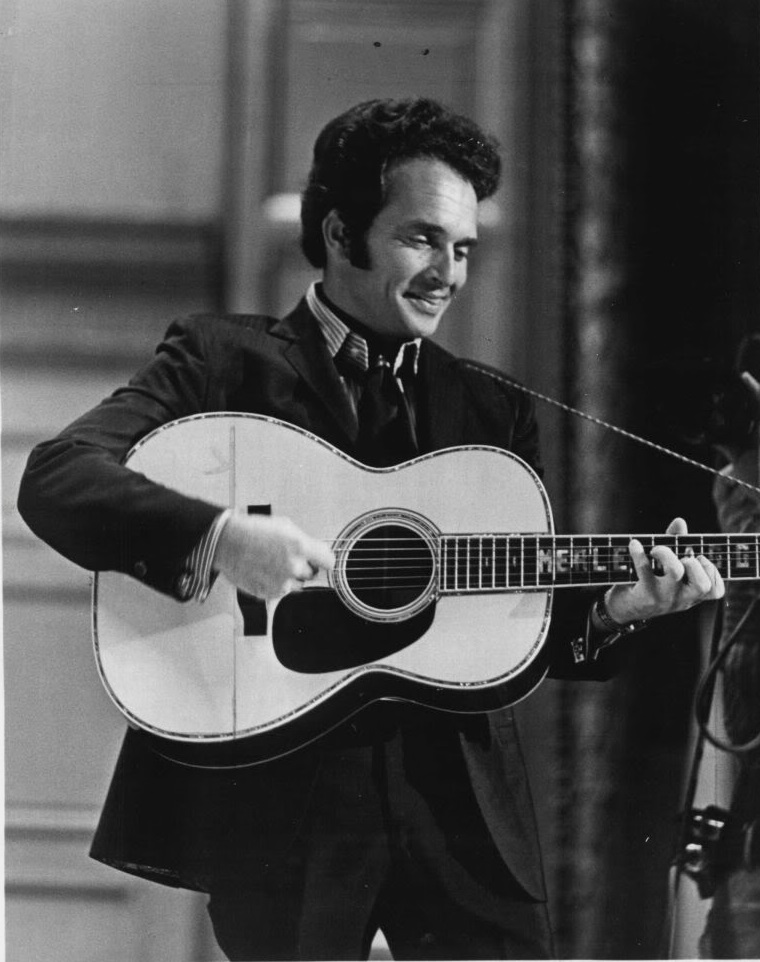 photo: country music association · public domain ↗
Merle Haggard
sourcesWikipedia — Lefty Frizzell (Haggard's "not even measurable" foreword quote; the guitar Haggard bought at auction) · Wikipedia — Roots, Volume 1 (Haggard's 2001 Lefty Frizzell tribute; Norman Stephens' role as guitarist on the session) · BatesLine — Merle Haggard, RIP · Wikipedia — A Tribute to the Best Damn Fiddle Player in the World (arrangement fidelity to Wills's originals; surviving Playboys personnel) · My Kind of Country — album review, Same Train, a Different Time (Hugh Cherry's spoken introductions; Roy Nichols's harmonica; Rodgers's legacy "being forgotten") · Wikipedia — Same Train, a Different Time (recording sessions, track count, critical reception) · Wikipedia — Merle Haggard (San Quentin imprisonment and pardon; first chart single; career overview) · Wikipedia — Bakersfield sound (Haggard's role alongside Buck Owens; the Okie migrant background)
Merle Haggard was born in a converted boxcar in Oildale, California, in 1937, the son of Dust Bowl refugees from Oklahoma. His father died of a brain hemorrhage when Merle was nine; three years later his brother Lowell handed him a guitar, and Haggard taught himself from records by Bob Wills, Lefty Frizzell, and Hank Williams. The guitar wasn't enough to keep him straight — at nineteen he was sent to San Quentin for a botched roadhouse robbery, and it was watching a fellow inmate's execution, not a chord progression, that turned him toward music for good. He had his first number-one by 1967 and, with Buck Owens, built the raw, guitar-driven Bakersfield sound as Nashville's rebuttal. Governor Ronald Reagan pardoned him in 1972, four years after "Mama Tried" turned his own record into a country hit.
the sound in question
1968
Mama TriedMerle Haggard
walk the tributaries ↓
Lefty Frizzell1950s · Honky-tonk / Country
At sixteen, Haggard snuck backstage at a Rainbow Gardens show to meet his hero and ended up handed a guitar and shoved toward the stage. "That is the first guitar I played on a professional stage," he recalled — Frizzell's own Gibson, which Haggard later bought back at auction rather than let it disappear into someone else's collection. Decades later, writing the foreword to a Frizzell biography, he made the debt plain: "The impact Lefty had on country music is not even measurable... Most of us learned to sing listening to him."
listen: upstream & heresource: Whiskey Riff — Merle Haggard Recalls the Time Lefty Frizzell Let Him Perform (the Rainbow Gardens backstage story, in Haggard's own words) ↗
1950
If You've Got the Money (I've Got the Time)Lefty Frizzell
2001
If You've Got the Money I've Got the TimeMerle Haggard
listen forIn 1950, Frizzell sang "If You've Got the Money, I've Got the Time" holding single vowels — "time," "mine" — until they bend through two or three notes before landing, the phrasing that made him country's most imitated stylist. Fifty-one years later, Haggard cut the same song for his 2001 album Roots, Vol. 1, bringing in Frizzell's own guitarist, Norman Stephens, to play behind him. Haggard doesn't out-sing his hero; he proves he never stopped hearing him, sliding through the same held notes Frizzell invented.
Bob Wills1930s–40s · Western swing / Country
As a boy in Bakersfield, Haggard rode his bike down to Beardsley's Ballroom just to listen at the window while Wills and the Texas Playboys played inside. When Wills suffered a stroke in 1969, Haggard spent months teaching himself fiddle, then brought six surviving Playboys into a Hollywood studio to cut a tribute album true to their original arrangements rather than his own style. Asked what he owed the bandleader, he didn't hedge: "You know what I learned from Bob Wills? Everything!"
listen: upstream & here
1940
New San Antonio RoseBob Wills
1970
San Antonio RoseMerle Haggard
listen forWills's 1940 recording stacks horns and fiddle over a rolling dance-hall shuffle, Tommy Duncan's vocal riding on top of an arrangement built for a crowded floor, not a listening room. Haggard's 1970 remake, cut with the surviving Playboys themselves, keeps that same big-band swing intact — same horn charts, same easy two-step pulse — rather than trimming it to his usual guitar-and-fiddle band sound. The fidelity is the point: Haggard wanted the arrangement itself, not just the melody, to survive.
Jimmie Rodgers1920s–30s · Country / Old-time / Blues
Haggard's connection to Rodgers ran through Frizzell, who'd cut his own 78 tribute to Rodgers years earlier; hearing it sent Haggard back to the original records. By 1969 he'd decided Rodgers's legacy was being forgotten and spent months in a Hollywood studio cutting twenty songs for Same Train, a Different Time, threading five spoken introductions — written by the broadcaster Hugh Cherry — between the tracks to explain who Rodgers was and why he mattered. It plays less like a covers record than a student handing the lesson forward.
listen: upstream & here
1929
Waiting for a TrainJimmie Rodgers
1969
Waitin' for a TrainMerle Haggard
listen forRodgers's 1929 "Waiting for a Train" rides a plainspoken verse into a swooping blue yodel at the end of each line, the vocal break that made him famous. Haggard's 1969 version, cut with Roy Nichols's blues harmonica standing in for Rodgers's guitar, keeps that same wandering melody and even attempts the yodel himself, though his baritone can't swoop the way Rodgers's did. The gap between the two voices is the point — a student trying his teacher's hardest trick and letting the strain show.