Jimmie Rodgers

James Charles Rodgers spent roughly a dozen years working the rail lines of the Deep South before tuberculosis pushed him off the tracks and toward a microphone, and in the six years he had left he more or less invented commercial country music. Growing up in Meridian, Mississippi, he absorbed the blues firsthand — from yardmen and hoboes, and from the Black gandy dancers whose work chants taught him to stretch and clip words to fit a line — then welded that phrasing to a vaudeville-bred yodel. The result, first cut for Ralph Peer in 1927, was the "blue yodel": a twelve-bar blues capped each verse by a swooping falsetto break. Over 110 recordings he set the template for the wandering, plainspoken country singer, and his reach ran both ways across the color line — bluesmen like Mississippi John Hurt reworked his songs, and Howlin' Wolf traced his own growl back to a failed attempt at Rodgers' yodel. He died in 1933 at thirty-five, already the "Father of Country Music."
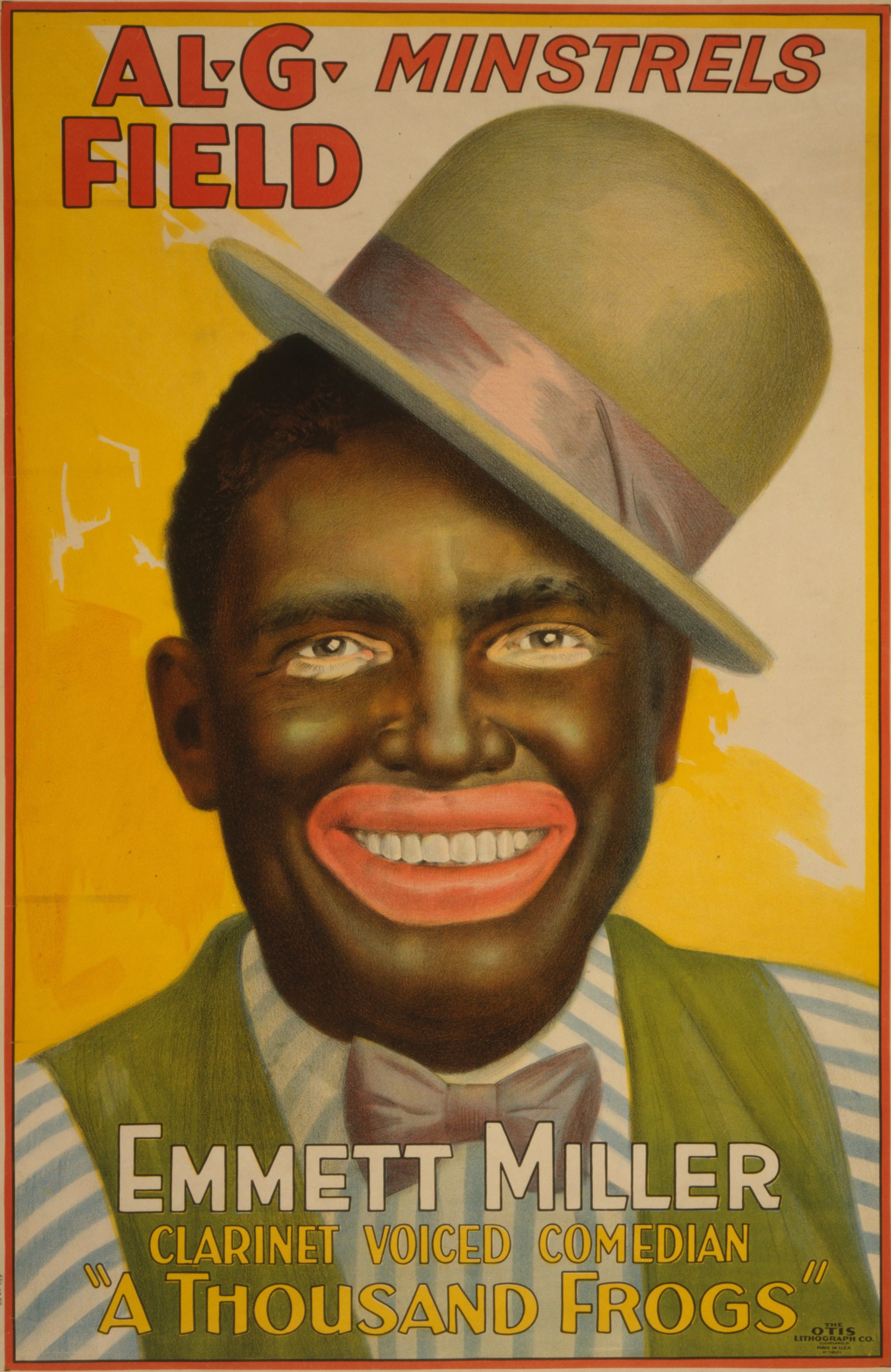
Miller was the blackface vaudeville singer who worked out the trick that became Rodgers' signature: breaking cleanly into falsetto in the middle of a word. Musicologist Charles Wolfe traces the blue yodel back to Miller's recordings, which Rodgers most plausibly caught in a vaudeville house or on the road as a brakeman. There is no interview where Rodgers names him, so the debt is inferred from the identical vocal move and the overlapping timelines rather than stated outright.
listen forIn Miller's "Lovesick Blues" the voice jumps up into a high, cracking falsetto mid-line, almost a hiccup. Rodgers takes that same catch and parks it at the end of each verse of "T for Texas," stretching it into the long, rolling yodel — same throat trick, moved from an ornament inside the line to the hook that closes it.