walking upstream…
Alan Jackson

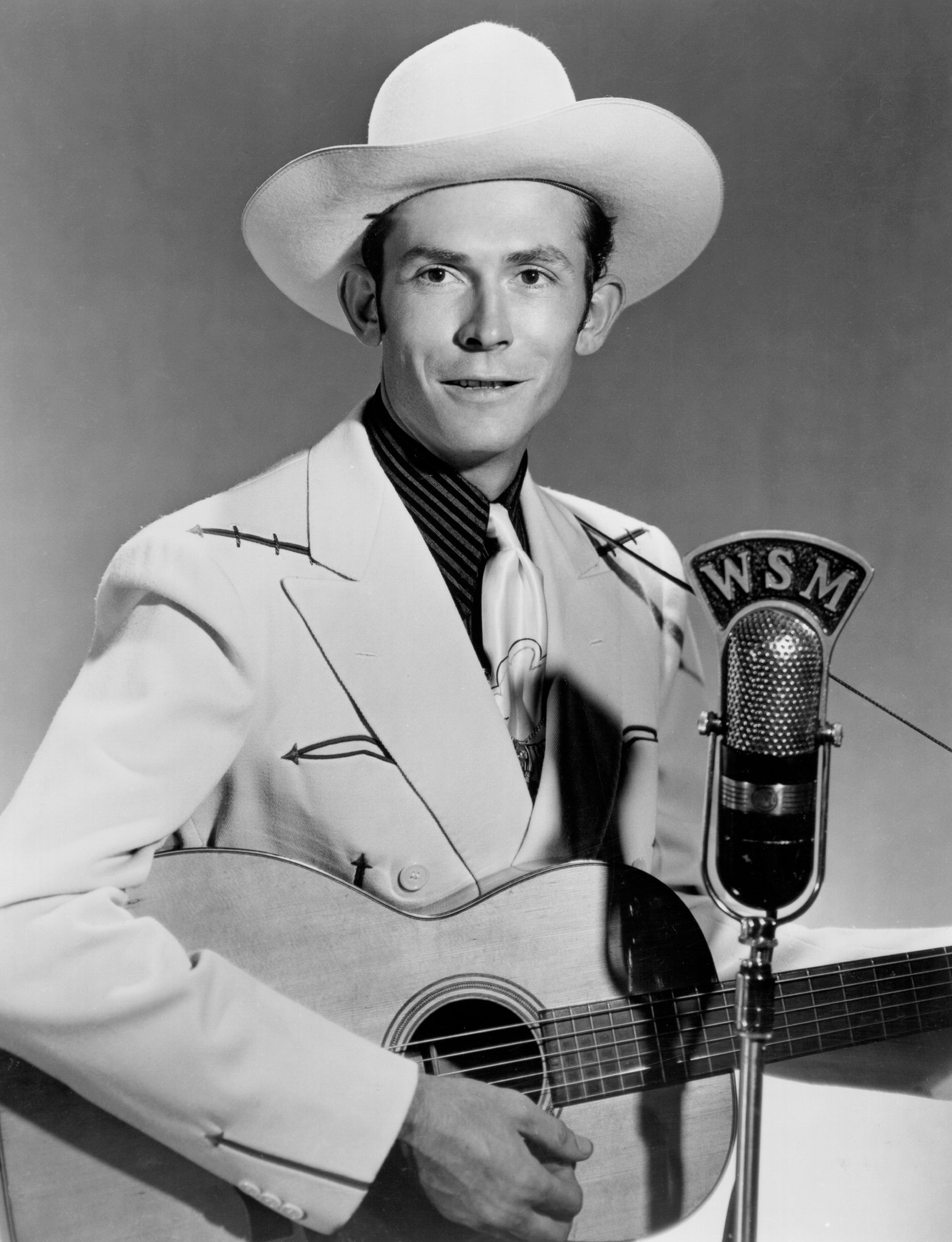
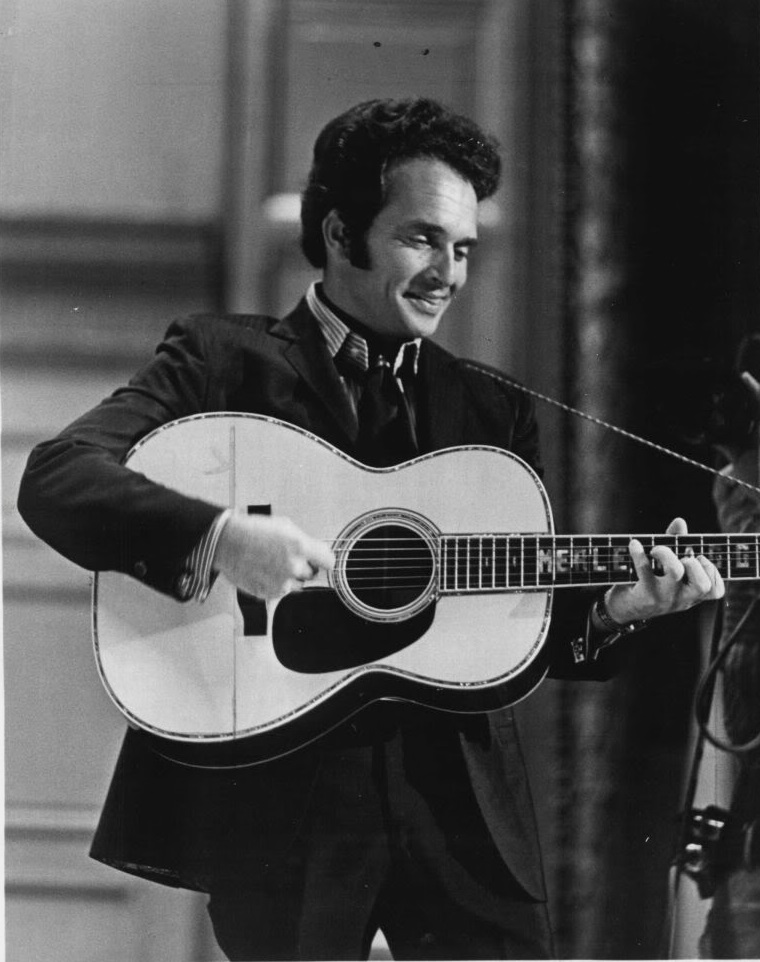
 photo: angela george · cc by-sa 3.0 ↗
Alan Jackson
sourcesCountry Music Hall of Fame and Museum — Alan Jackson (bio, career facts) · American Songwriter — Remember When · My Kind of Country — Album Review · Country Fancast — Alan Jackson Talks Songwriting (Haggard/Williams/Nelson as songwriting heroes) · American Songwriter — The One and Only Thing Merle Haggard Hated About Alan Jackson (corroborating detail on the pie anecdote and 2021 tribute)
In 1986, a Nashville mailroom clerk who went by "Al" was pulled from the audience of TNN's You Can Be a Star to sing a few verses of George Jones's "He Stopped Loving Her Today." His raw delivery caught the ear of judge Keith Stegall, his producer ever after. Born in Newnan, Georgia, Jackson moved to Nashville in the mid-1980s and became the first artist signed to the new Arista Nashville label; his 1990 debut and the hits that followed made him the era's clearest link back to honky-tonk tradition, unbothered by the pop-leaning Nashville sound around him. He held that traditionalist line for three decades, becoming one of country's best-selling artists and a 2017 Country Music Hall of Fame inductee — building a career on trying to make "the kinds of records that George, Merle, and the other singers I pay tribute to on my albums have made."
the sound in question
1993
ChattahoocheeAlan Jackson
walk the tributaries ↓
George Jones1950s–80s · Country / Honky-tonk
In 1999, CMA producers gave George Jones one abridged minute to perform his nominated "Choices," and he refused to attend. Jackson, tapped to sing his own hit "Pop a Top" that night, stopped mid-song, launched into "Choices" instead, and walked off without a word. "I thought it was stupid that the CMA wouldn't let George do his whole song," he told the Washington Post. "He's a living legend who's been making records for 40 years." It repaid a decades-long debt — one that also runs through Jackson's own 1999 studio cut of Jones's "Once You've Had the Best," on an album built entirely from the singers who shaped him.
listen: upstream & heresource: Rolling Stone — Flashback ↗
1973
Once You've Had the BestGeorge Jones
1999
Once You've Had the BestAlan Jackson
listen forSet Jones's 1973 original of "Once You've Had the Best" beside Jackson's 1999 remake and the tribute is nearly note for note: producer Keith Stegall kept Jackson close to Jones's spare, unhurried phrasing rather than modernizing it, the same restraint that let Jones wring feeling out of a plain melody without raising his voice. Jackson isn't out-singing his hero here; he's singing it the way Jones did, letting the song's plain ache carry itself — the clearest evidence of whose vocal template he was working from.
Hank Williams1940s-50s · Country / Honky-tonk
Williams was five years dead before Jackson was born, but Jackson traces his move to Nashville straight back to him: "He showed how simply you can write; people still need to learn that from him," Jackson has said. "And he's a reason I moved to Nashville." He's traced the kinship further, noting Williams grew up "not far from where I was raised in Georgia... that rural, Southern, Georgia-Alabama-Mississippi kind of raising." In 1992 Jackson made that connection literal, driving to Williams's Alabama grave and writing "Midnight in Montgomery" about it, borrowing lines straight out of Williams's own "I'm So Lonesome I Could Cry."
listen: upstream & heresource: American Songwriter — Alan Jackson Paid Tribute to a Country Icon With This Early Hit in 1992 (Hank Williams testimony, 'Midnight in Montgomery') ↗
1949
I'm So Lonesome I Could CryHank Williams
1992
Midnight in MontgomeryAlan Jackson
listen forListen for how directly Jackson lifts from Williams: "Midnight in Montgomery" repurposes the whip-poor-will and lonesome-chill imagery of "I'm So Lonesome I Could Cry" almost word for word, then sets it over the same kind of spare, unhurried vocal Williams used — no ornament, just a plain voice carrying a plain ache. Where Williams sings the feeling from the inside, Jackson sings it as a visitor at the grave, but the vocal restraint he borrows is the same instrument.
Merle Haggard1960s–70s · Country / Bakersfield sound / Outlaw country
Jackson names Haggard first among his songwriting heroes — "Merle Haggard and Hank Williams and Willie Nelson," he's said — and the two toured together, once trading barbs backstage over a pie: Haggard, not knowing whose it was, growled "don't eat that god——n yella pie" about Jackson's mother's recipe. After Haggard died in 2016, Jackson repaid the friendship on record, picking "That's the Way Love Goes," the Lefty Frizzell song Haggard had turned into his own 1983 tribute, and cutting it the same way: "I always heard [Merle] did it as a tribute to Lefty," he said. "I did it kinda the same way, as a tribute to Merle."
listen: upstream & heresource: Taste of Country — Alan Jackson Shares Hilarious Backstage Story About Merle Haggard (friendship, 'That's the Way Love Goes' tribute quote) ↗
1983
That's the Way Love GoesMerle Haggard
2021
That's the Way Love GoesAlan Jackson
listen forCompare Haggard's unhurried 1983 recording with Jackson's 2021 version and the tribute logic repeats itself down to the arrangement: both singers underplay a song written for someone else, letting a loose, conversational vocal carry the tune rather than pushing it. Jackson doesn't rewrite Haggard's phrasing so much as inhabit it — the same plainspoken delivery Haggard once used honoring Frizzell, now aimed back at Haggard himself.