walking upstream…
Brooks & Dunn


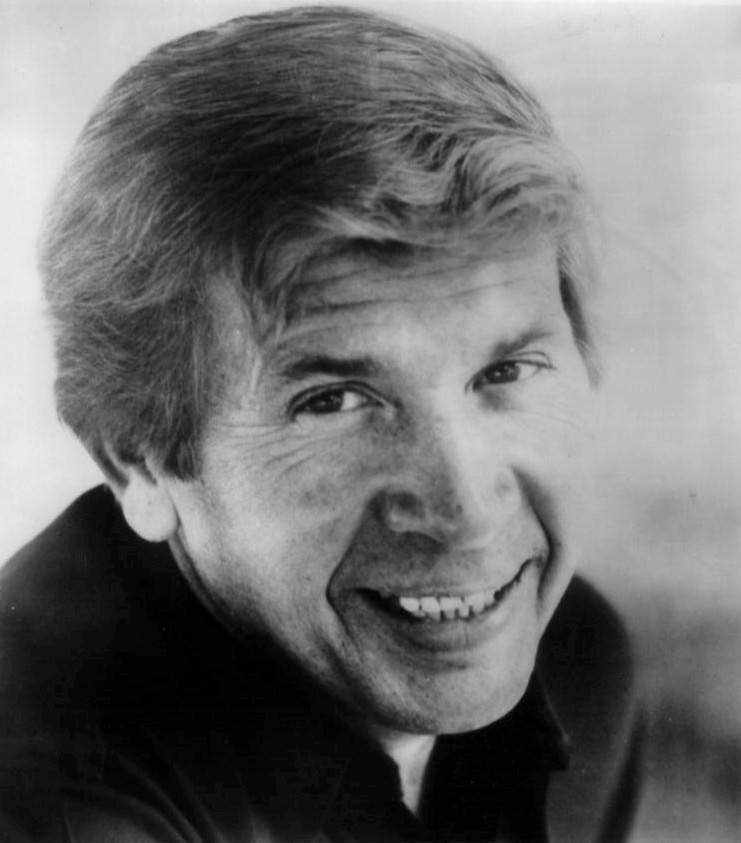
 photo: gage skidmore · cc by-sa 3.0 ↗
Brooks & Dunn
sourcesWikipedia — Brooks & Dunn (formation, discography, career facts) · Associated Press / Portland Press Herald — Brooks & Dunn, Ray Stevens to join Country Hall of Fame (bio quotes) · American Songwriter — Brooks & Dunn on their childhoods, via Sammy Hagar's Rock & Roll Roadtrip · AllMusic — Asleep at the Wheel, Keepin' Me Up Nights (1990 track/composer credits) · Wikipedia — Re-Dunn (album framing as personally formative covers)
In 1990, Arista Nashville executive Tim DuBois introduced two solo hopefuls he thought might harmonize: Louisiana rocker Kix Brooks (b. 1955) and Texas honky-tonker Ronnie Dunn (b. 1953). Their 1991 debut, Brand New Man, sent its first four singles to No. 1 — the first time any country duo or group had done that — and by decade's end they were the best-selling duo in the genre's history. "We were just weird enough that I think fans got that," Brooks said of the pairing. "These two guys don't really belong together, but they are up there doing it." That mismatch, Brooks's rowdy Southern rock against Dunn's plaintive honky-tonk, carried them through a 2009 breakup, a Las Vegas reunion residency, and a 2019 Country Music Hall of Fame induction.
the sound in question
1991
Brand New ManBrooks & Dunn
walk the tributaries ↓
Willie Nelson1970s · Outlaw country / Country / Americana
Asked when country music first got a hold on him, Dunn didn't hedge: "Willie, that's what turned me on to country music," he said. "When Willie came out with Red Headed Stranger and the Austin scene took off with Jerry Jeff Walker and the Armadillo World Headquarters, that's when I really started listening." A rock-radio Texas teenager converted by one spare, story-driven record — the plainspoken, unhurried narrative style stuck with him long after the conversion.
listen: upstream & heresource: Texas Monthly — Ronnie Dunn Q&A (Willie Nelson influence testimony) ↗
1975
Red Headed StrangerWillie Nelson
2003
Red Dirt RoadBrooks & Dunn
listen forRed Headed Stranger tells its outlaw story in a bare, talk-sung drawl over a spare guitar-and-piano backing, Nelson trusting the words rather than the arrangement to carry the record. Brooks & Dunn's 2003 single "Red Dirt Road" borrows that same loose, conversational delivery for a first-person hometown reminiscence — no barroom stomp, no arena guitar solo, just an unhurried voice recounting where it comes from over a mid-tempo acoustic strum.
Asleep at the Wheel1970s–80s · Western swing / Country
A year before Brooks & Dunn existed, Ronnie Dunn had already written their future signature song for somebody else. Western-swing revivalists Asleep at the Wheel cut Dunn's "Boot Scootin' Boogie" first, on their 1990 album Keepin' Me Up Nights, produced in part by Arista executive Tim DuBois — the same man who paired Dunn with Kix Brooks that same year. Wikipedia's own account of the song credits Brooks & Dunn's version as a cover of that original.
listen: upstream & heresource: Wikipedia — Boot Scootin' Boogie (first recorded by Asleep at the Wheel) ↗
1990
Boot Scootin' BoogieAsleep at the Wheel
1992
Boot Scootin' BoogieBrooks & Dunn
listen forAsleep at the Wheel's 1990 cut plays it as dance-hall novelty: a bright, horn-and-fiddle swing shuffle built for a two-step, Ray Benson's band leaning into the joke of the title. Brooks & Dunn's 1992 recording keeps Dunn's exact words and chords but trades the fiddle for electric guitar crunch and a harder backbeat, aimed at an arena floor instead of a honky-tonk dance floor.
Buck Owens1960s · Bakersfield sound / Honky-tonk / Country
When Ronnie Dunn built Re-Dunn, his 2020 solo covers album, Buck Owens's "Together Again" made the 24-song cut alongside George Strait and Hank Williams numbers. Dunn described the whole set, not any single track, as personal history rather than a repertoire exercise: "These are songs I played in clubs and the soundtrack of what I've listened to all my life," he told Billboard. It's a thinner thread than the other two here — general testimony about a covers project, not a name-checked debt to Owens specifically — but the cover itself is a direct, documented fact.
listen: upstream & heresource: Billboard — Ronnie Dunn Announces Re-Dunn (Buck Owens cover, track list, quote) ↗
1964
Together AgainBuck Owens
2020
Together AgainBrooks & Dunn
listen forOwens's 1964 original is Bakersfield-lean: a twangy Telecaster figure, brushed drums, and a vocal that aches without ever slowing its tempo down. Dunn's 2020 solo version keeps that same unhurried, plainspoken phrasing and clean, uncluttered guitar tone rather than dressing the song up with strings or a bigger band, a faithful, low-key homage instead of a reinvention or a duet showcase.