walking upstream…
Earl Thomas Conley

Earl Thomas Conley
sourcesWikipedia · American Songwriter · Variety
Earl Thomas Conley grew up poor in Portsmouth, Ohio, discovering he could sing in an Army gospel trio before working blue-collar jobs by day and Nashville-area clubs by night. He didn't chart until his mid-thirties, but once producer Nelson Larkin helped him find his sound working out of Huntsville, Alabama, Conley became one of the most dominant hitmakers of the 1980s: eighteen No. 1 country singles between 'Fire and Smoke' (1981) and 'Love Out Loud' (1989), more of the decade's chart-toppers than any act besides Alabama and Ronnie Milsap. His records fused honky-tonk storytelling with a soulful, R&B-inflected vocal delivery — critics dubbed it 'thinking man's country' — full of aching, conversational phrasing that younger singers, Blake Shelton chief among them, would later study obsessively.
the sound in question
1981
Fire and SmokeEarl Thomas Conley
walk the tributaries ↓
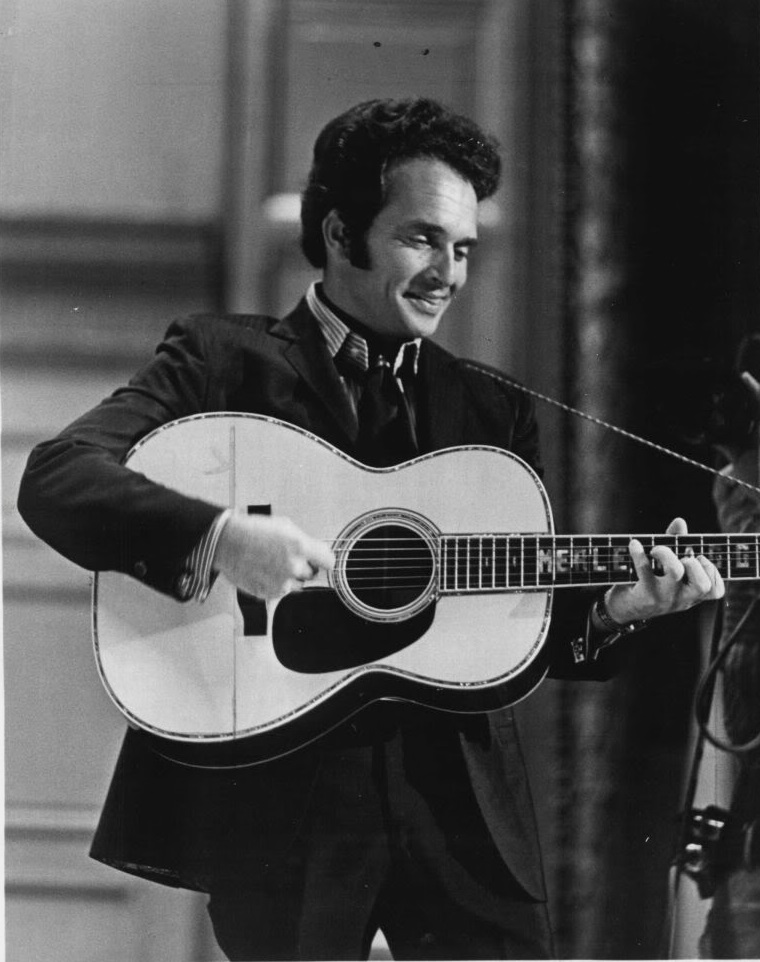
Merle Haggard1960s–70s · Country / Bakersfield sound / Outlaw country
Conley has said recordings by Merle Haggard formed the basis of his country music education as he taught himself to write and sing in the late 1960s and early '70s. Haggard's plainspoken, working-class narrators and unhurried phrasing gave Conley a template for singing about ordinary heartbreak without melodrama.
listen: upstream & here
1968
Mama TriedMerle Haggard
1984
Angel in DisguiseEarl Thomas Conley
listen forSet 'Mama Tried' next to 'Angel in Disguise' — both let a conversational, almost spoken-word vocal carry a plain-language confession, trusting the story itself over any vocal fireworks.
George Jones1950s–80s · Country / Honky-tonk
Jones is named alongside Haggard and Charley Pride among the country records Conley leaned on while developing his voice, and it shows most in the unhurried, aching vocal control Conley brings to a ballad — the same instinct that made Jones country music's most emulated singer.
listen: upstream & here
1980
He Stopped Loving Her TodayGeorge Jones
1983
Holding Her and Loving YouEarl Thomas Conley
listen forCompare 'He Stopped Loving Her Today' with 'Holding Her and Loving You' — both stretch a heartbreak lyric across long, held notes and small dips in pitch that let the ache breathe instead of rushing to the next line.
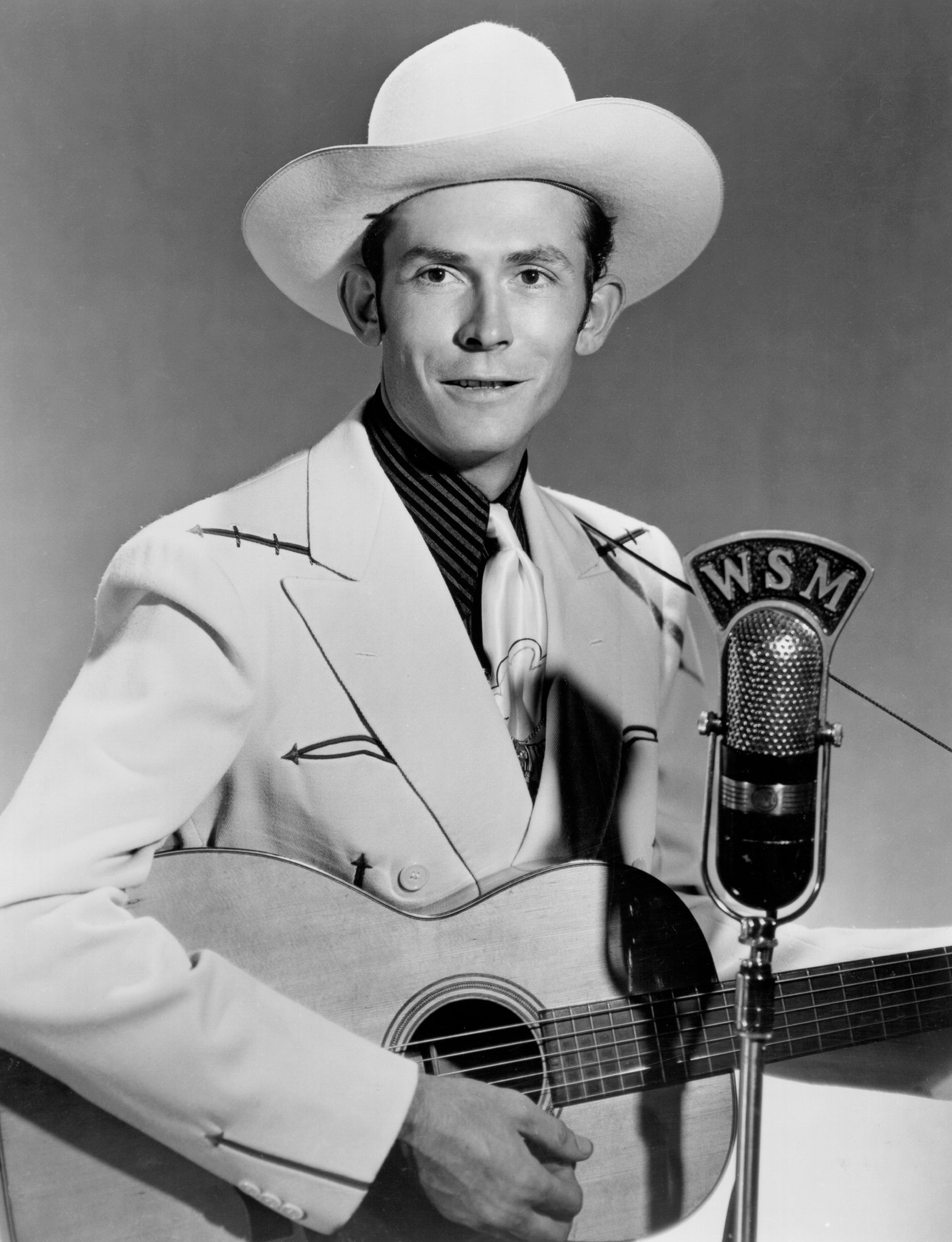
Hank Williams1940s-50s · Country / Honky-tonk
Conley has described his own influences as ranging 'from Hank Williams to the Eagles,' and Williams's imprint surfaces as a commitment to plainspoken, three-chord heartbreak writing — no matter how lush Conley's 1980s production got, the lyric underneath stayed as direct as a Williams B-side.
listen: upstream & here
1949
I'm So Lonesome I Could CryHank Williams
1982
Somewhere Between Right and WrongEarl Thomas Conley
listen forPlay 'I'm So Lonesome I Could Cry' beside 'Somewhere Between Right and Wrong' — both open on a simple, declarative image of loneliness and never complicate it with a clever turn of phrase, letting the plainness do the emotional work.