walking upstream…
Eric Church

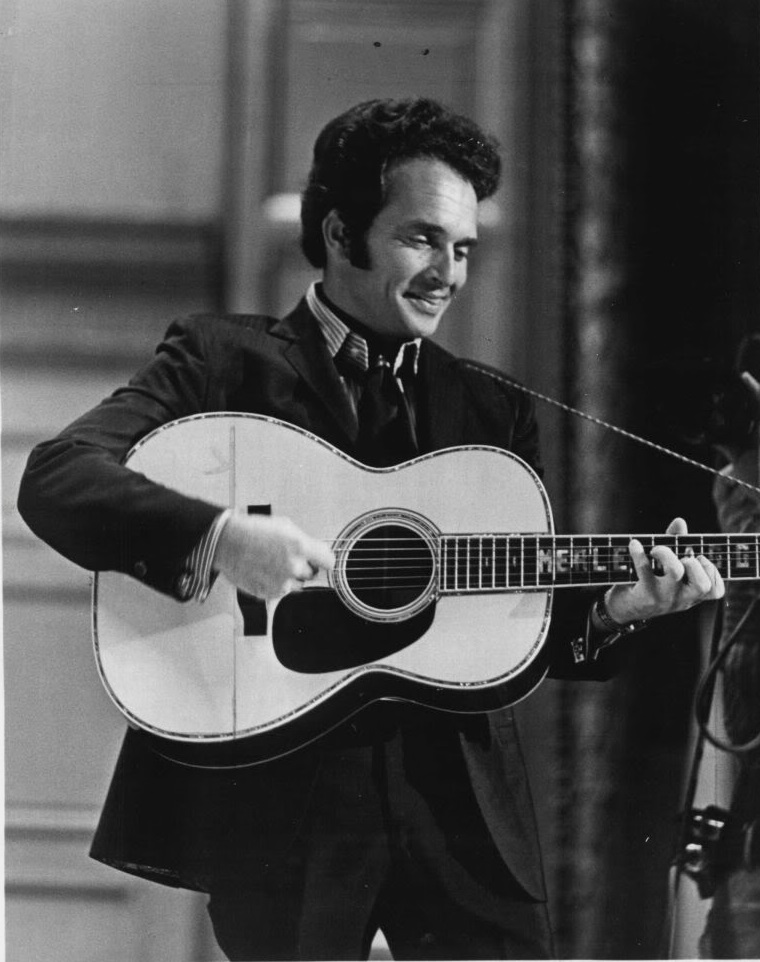
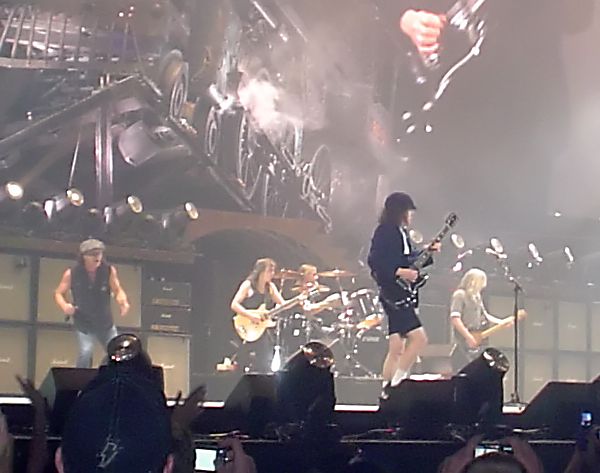
 photo: townsquare media · cc by 2.0 ↗
Eric Church
In 2002, a Nashville publishing executive listened to a 25-year-old Eric Church play his songs about teenage pregnancy and the death penalty and told him to go back home to North Carolina. Church, a police chief's grandson from the furniture-mill town of Granite Falls who'd taught himself guitar at sixteen, ignored him. He wrote about "the 800-pound gorilla in the room" instead — his faith, his culture, his musical obsessions — and it cost him: he got fired from opening for Rascal Flatts for running long and loud, then built a following in rock clubs in the same cities Flatts played. Bob Seger noticed and invited him on tour. That stubbornness, and the collision of honky-tonk twang with arena-rock volume, became the whole career: from 2006's Sinners Like Me through 2011's Chief and 2014's The Outsiders, Church made country music that argued loudly it could be both.
the sound in question
2011
Drink in My HandEric Church
walk the tributaries ↓
Bob Seger1970s-80s · Rock / Heartland rock / Roots rock
By 2006, Nashville had turned its back on Church for running his sets too long and too loud opening for Rascal Flatts — he got fired off the tour. Bob Seger heard the debut album anyway and invited him out on the road instead. Years later, on his own Outsiders Radio show, Church put it plainly: "Bob has always been my guy. If you give me one artist, it's Bob Seger... You probably hear more of him in my music than anyone else." Church still works Seger's own "Ramblin' Gamblin' Man" into his live sets, a debt paid out loud, night after night, on stage.
listen: upstream & heresource: CMT News — "61 Days in Church" setlist (confirms live Bob Seger cover) ↗
1976
Night MovesBob Seger
2014
Give Me Back My HometownEric Church
listen forSeger's 1976 "Night Moves" builds slow and specific — a narrator remembering a particular summer, a particular girl, over a band that swells rather than kicks. Church's 2014 "Give Me Back My Hometown" runs the same trick: a mid-tempo narrator working through a hometown memory in concrete, unglamorous detail, the arrangement holding back until the chorus finally opens up. Listen for how both songs treat nostalgia as something to be walked through, not rushed.
Merle Haggard1960s–70s · Country / Bakersfield sound / Outlaw country
On his 2006 debut, an unknown Church wrote a straight-up tribute called "Pledge Allegiance to the Hag" — and Haggard himself walked into the studio and sang the last verse, though the two had never met. "What was ironic about that was that I didn't get a chance to meet him until after we did that," Church said the day Haggard died in 2016. He described the debt as more than fandom: "The reverence I have for those two guys is true reverence... I have always been inspired because they always did things their way. That is something we've tried to emulate. Sticking to your guns."
listen: upstream & heresource: Tucson.com / Arizona Daily Star — "Eric Church remembers Merle Haggard" (Pledge Allegiance to the Hag origin, reverence quote) ↗
1968
Mama TriedMerle Haggard
2006
Pledge Allegiance to the HagEric Church
listen forHaggard's 1968 "Mama Tried" is lean, guitar-forward honky-tonk sung by a narrator who owns his hard-living past without apology. "Pledge Allegiance to the Hag" (2006) borrows that same unadorned stance — spare band, plainspoken verses, a singer more interested in telling the truth than dressing it up. The giveaway is in the last verse: that's Haggard's own rough-hewn baritone singing alongside Church, the tribute becoming, briefly, a duet.
AC/DC1970s-80s · Hard rock / Blues rock / Rock and roll
Church was fourteen when an older friend's brother took him to see AC/DC. "I was sitting on the lawn at this amphitheater, watching this huge crowd with their fists in the air as the band played Back In Black," he told Classic Rock. "It was my first real physical and emotional touch to rock'n'roll and to the freedom that it provided... Everything changed in that moment." He's since traced the "edge" separating his generation of country singers from Haggard's straight back to that lawn: "It's what we blasted – Metallica, AC/DC." There's no AC/DC cover in his live catalog, unlike his Seger and Haggard tributes; this influence lives in attitude and volume, not repertoire.
listen: upstream & heresource: Connect Savannah — "Who the hell is Eric Church?" (rock influences, AC/DC and Haggard quotes) ↗
1980
Back in BlackAC/DC
2015
That's Damn Rock & RollEric Church
listen forAC/DC's 1980 "Back in Black" rides one declarative power-chord riff and a swaggering, larger-than-life vocal that never apologizes for being loud. Church's 2015 "That's Damn Rock & Roll" makes the debt explicit in its title alone, but the tell is in the arrangement: a country song built on the same riff-first, chest-out swagger, guitar doing the work a fiddle usually would. It's the fourteen-year-old on the amphitheater lawn, still audible.