walking upstream…
Waylon Jennings
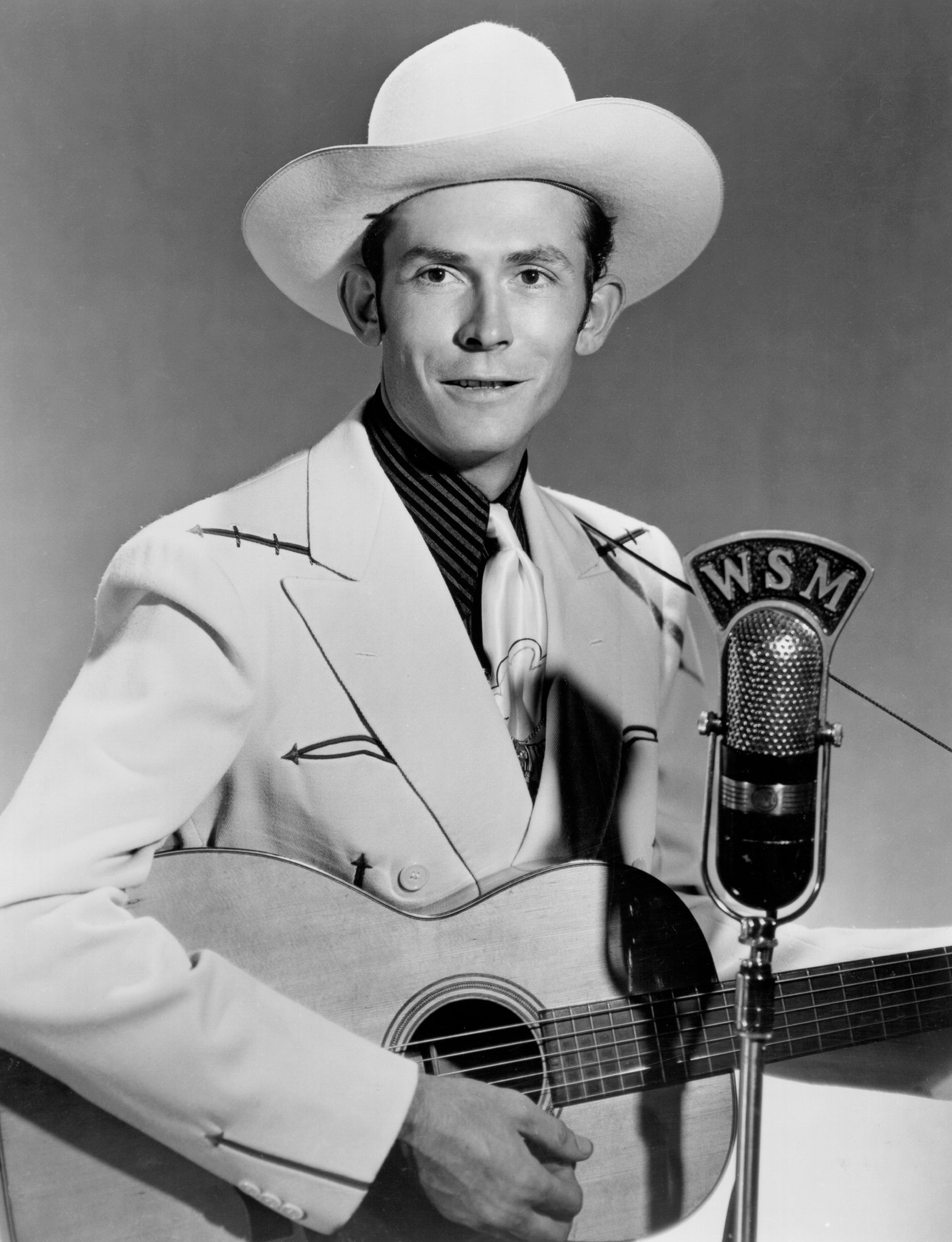


 photo: rca records · public domain ↗
Waylon Jennings
sourcesRolling Stone -- "Waylon Jennings Dead at Sixty-four" (obituary; Elvis/Holly/Hank quotes, career arc) · Rolling Stone -- "Flashback · Lone Star Music Magazine -- "Mr. Record Man · jrank.org -- Gale/St. James-style reference biography (cross-verifies the Elvis "churning rhythm" quote) · No Depression -- "Some Connections Between Hiram King 'Hank' Williams & Waylon Jennings" (autobiography quote, 1992 tribute album)
Waylon Jennings grew up outside Littlefield, Texas, working cotton fields and spinning records for a local radio station before he ever played bass for a living. In 1958, Buddy Holly hired him for the Winter Dance Party tour and produced his first single; the following February, Jennings gave up his seat on the plane that crashed and killed Holly, a loss that trailed him for the rest of his life. He spent the mid-1960s as a Nashville crooner under producer Chet Atkins before wrestling back creative control, hiring his own road band, and helping build 1970s outlaw country alongside Willie Nelson. Albums like Honky Tonk Heroes and Dreaming My Dreams fused honky-tonk backbone to a rock and roll rhythm section — the sound of a man who spent his career refusing anyone else's arrangement of who he was.
the sound in question
1977
Luckenbach, Texas (Back to the Basics of Love)Waylon Jennings
walk the tributaries ↓
Hank Williams1940s-50s · Country / Honky-tonk
In his 1996 autobiography, Jennings named exactly one "Outlaw hero": "If I had an Outlaw hero, someone to set my standard and measure my progress, it was Hank Williams," he wrote, "he had touched me way back in Littlefield, through the strength of his songs and the soul of his voice." The debt wasn't just sentimental. In 1992, decades into his own career, Jennings sat down and recorded thirteen Williams songs whole, released as Waylon Sings Hank Williams — treating the catalog less as inspiration to borrow from than scripture to preserve intact.
listen: upstream & heresource: Bear Family Records -- Waylon Sings Hank Williams product/liner page (tracklist, 1954 Elvis epiphany, Hank/Tubb idols) ↗
1949
I'm So Lonesome I Could CryHank Williams
1992
I'm So Lonesome I Could CryWaylon Jennings
listen forWilliams recorded "I'm So Lonesome I Could Cry" in 1949 with almost nothing behind him — voice, steel guitar, and the silence between phrases doing the aching. On his 1992 tribute album, Jennings keeps that same bare arrangement note for note, changing only what four decades of touring had done to his voice: a lower, road-worn baritone standing in for Williams's high lonesome one, the song's structure left otherwise untouched.
Buddy Holly1950s · Rock and roll / Rockabilly / Pop
Holly hired Jennings as his touring bassist in 1958 and produced his first single before dying in the plane crash that forever links their names in the public imagination — but the clearest evidence of what actually transferred sits on wax. For his first A&M session in 1964, Jennings cut "Rave On," one of Holly's own rockabilly sides, as a B-side. Critics have heard the debt ever since: Rolling Stone credited him with "a Buddy Holly beat," and Lone Star Music called him "tutored in the big beat rockabilly of Buddy Holly."
listen: upstream & here
1958
Rave OnBuddy Holly
1964
Rave OnWaylon Jennings
listen forHolly's 1958 "Rave On" rides a nervous, hiccuping vocal over a tight, clipped rockabilly shuffle, the whole band pushing forward on a fast, jittery pulse. Jennings's 1964 B-side cover keeps that same chugging rhythm-guitar attack but drops it into a lower, tougher register and a slower, more deliberate strut, trading Holly's boyish urgency for something closer to swagger — an early glimpse of the harder voice that would carry the outlaw sound a decade later.
Elvis Presley1950s–70s · Rock and roll / Rockabilly / Pop / Gospel
When Elvis Presley passed through Lubbock on his second West Texas swing, Jennings — a teenage radio DJ at the time — went to see him play. "I loved that churning rhythm on the bottom," he said of what he heard, a line he'd repeat in his autobiography years later. No Elvis cover survives in Jennings's catalog; what carried over was rhythmic, not repertoire. Critics point to the same mechanism: Jennings swapped the country two-step's upright bass for a driving electric rhythm guitar, turning that remembered churn into the engine of his own records.
listen: upstream & here
1954
That's All RightElvis Presley
1973
Lonesome, On'ry and MeanWaylon Jennings
listen forPresley's 1954 "That's All Right" rides on a loose, slapping upright bass and a rockabilly swing. Nineteen years later, Jennings opens "Lonesome, On'ry and Mean" with the sound that replaced it: a driving electric guitar line and a bass drum thumping "four on the floor," the honky-tonk two-step traded wholesale for a rock and roll pulse — the same churn Jennings once named, now built into his own rhythm section.