walking upstream…
Hank Williams Jr.
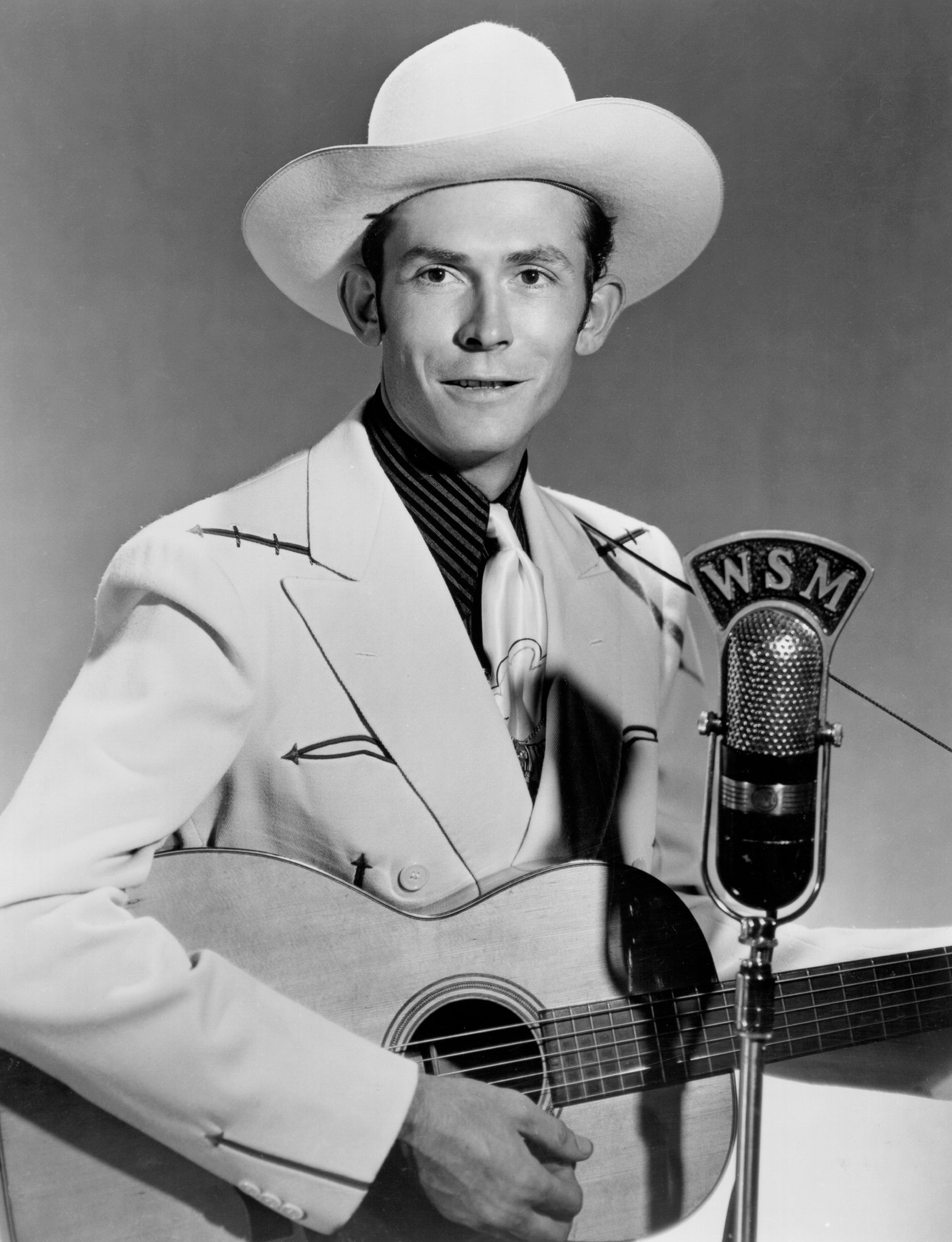

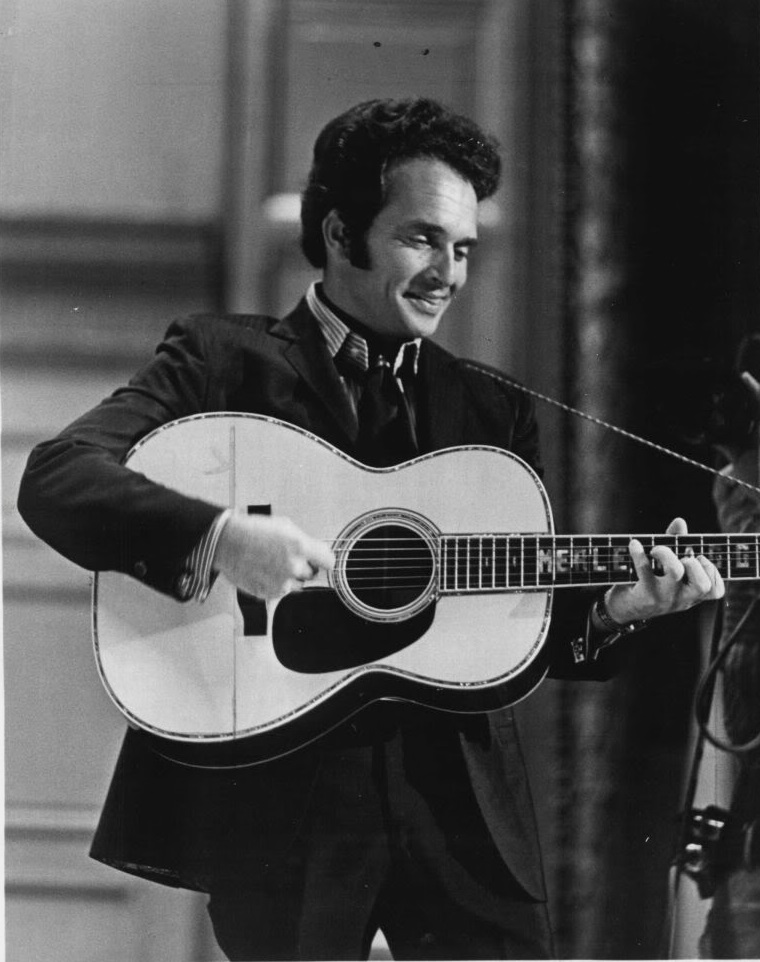
 photo: andrea klein · cc by 2.0 ↗
Hank Williams Jr.
sourcesBiography.com
Randall Hank Williams was born in Shreveport, Louisiana in 1949, three years before his father Hank Williams died at 29. His mother Audrey had him performing his father's songs onstage by age eight, touring as a tribute act through his teens and debuting on the country chart in 1964 with a cover of his father's 'Long Gone Lonesome Blues.' A near-fatal 500-foot fall while mountain climbing in Montana in 1975 forced a long recovery, and with it came a reinvention: he began fusing Southern rock and outlaw-country grit into his father's honky-tonk foundation, crystallized on 1975's 'Hank Williams Jr. and Friends.' That harder-edged, rowdier sound carried him to 1980s superstardom on anthems like 'A Country Boy Can Survive,' multiple CMA and Grammy wins, and a legacy finally independent of his father's shadow.
the sound in question
1982
A Country Boy Can SurviveHank Williams Jr.
walk the tributaries ↓
Hank Williams1940s-50s · Country / Honky-tonk
Under his mother Audrey's direction, the young Hank Jr. was performing his father's catalog onstage from age eight, part of the Audrey Williams Musical Caravan of Stars tours. His first chart single, in 1964, was a note-for-note cover of his father's 'Long Gone Lonesome Blues' — a debut noted at the time for how closely his voice mirrored Hank Sr.'s own tone, the direct starting point he'd later have to musically break away from.
listen: upstream & heresource: Wikipedia ↗
1950
Long Gone Lonesome BluesHank Williams
1964
Long Gone Lonesome BluesHank Williams Jr.
listen forPlay Hank Williams' 1950 original of 'Long Gone Lonesome Blues' against Hank Jr.'s 1964 version — the same yodel-inflected melody and lonesome-drifter lyric, delivered in a voice the young Hank Jr. was still learning to make his own.
Waylon Jennings1970s · Outlaw country / Country
After his 1975 climbing accident, Williams found kinship with Jennings and the outlaw-country scene, the two sharing stages and collaborating repeatedly through the late 1970s and '80s (including the duet 'The Conversation'). Jennings' insistence on making records his own way, outside the Nashville studio system, gave Williams a model for shedding the note-for-note tribute persona his mother had built for him as a child performer.
listen: upstream & heresource: No Depression ↗
1975
Are You Sure Hank Done It This WayWaylon Jennings
1979
Family TraditionHank Williams Jr.
listen forSet Jennings' 'Are You Sure Hank Done It This Way' — itself a pointed jab at Nashville's smoothed-over version of his father's legacy — against Williams' own defiant 'Family Tradition,' both trading Nashville polish for a rougher, talk-singing swagger about doing country music strictly on their own terms.
Merle Haggard1960s–70s · Country / Bakersfield sound / Outlaw country
Williams has named Merle Haggard among the formative figures of influence he grew up on, alongside Johnny Cash and Jerry Lee Lewis, and Haggard's blue-collar honky-tonk realism — a plain voice riding a tight, twangy shuffle — runs underneath even Williams' rowdier, rock-inflected material.
listen: upstream & here
1969
Workin' Man BluesMerle Haggard
1980
Old HabitsHank Williams Jr.
listen forCompare the brisk, working-man's shuffle of Haggard's 'Workin' Man Blues' to Williams' 'Old Habits' — both keep a plainspoken, first-person narrator riding an unfussy honky-tonk groove.