walking upstream…
Kenny Chesney

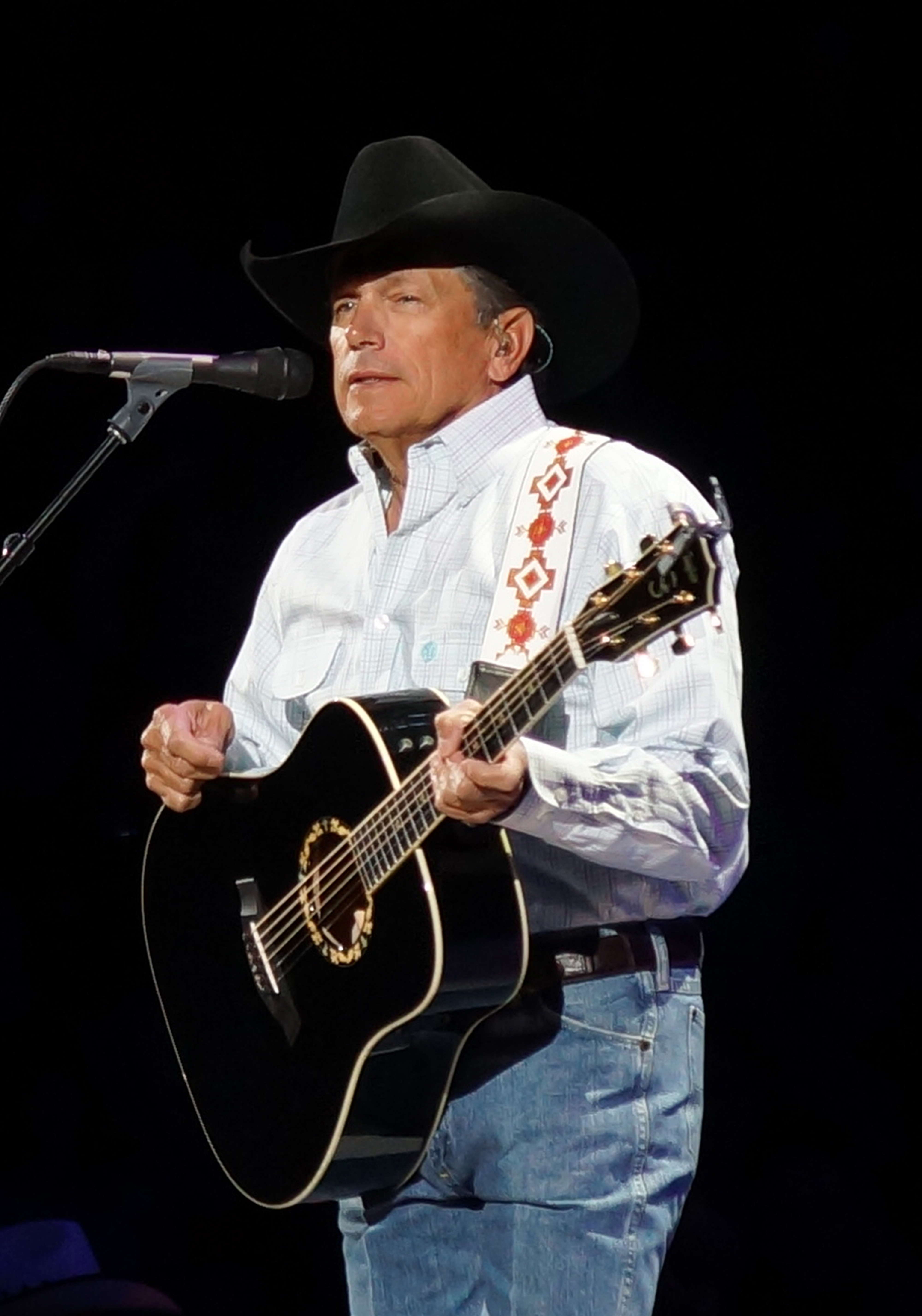
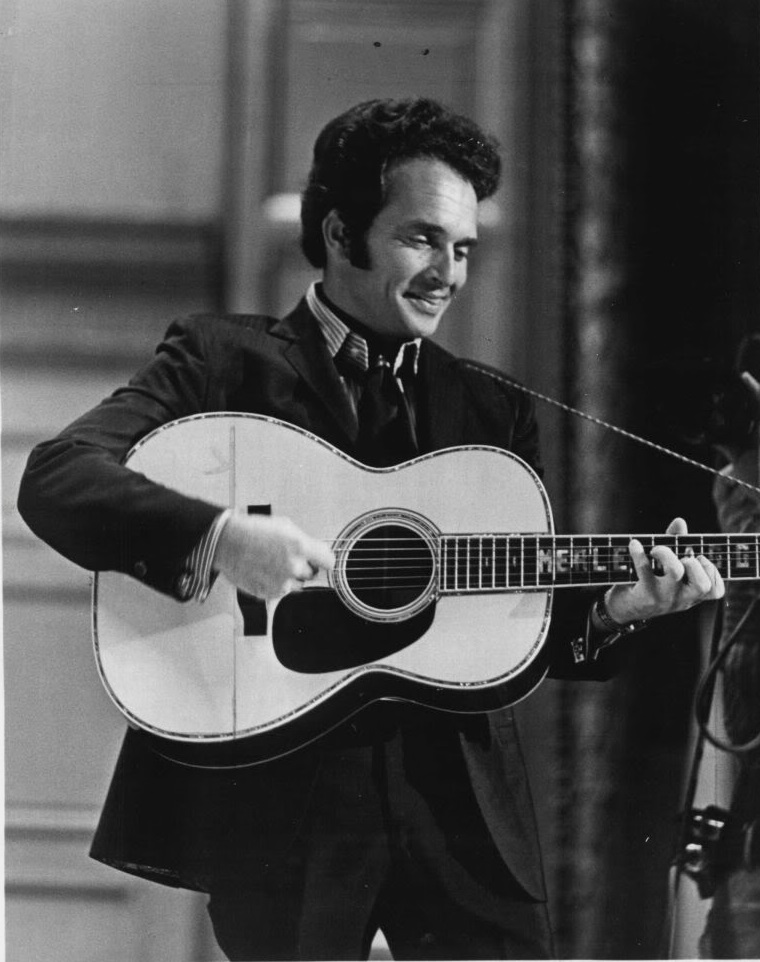
 photo: pdubs.94 · cc by 4.0 ↗
Kenny Chesney
sourcesWikipedia
Kenny Chesney grew up in Luttrell, Tennessee, learning guitar while studying advertising at East Tennessee State University, where a stint in the school's bluegrass band led to a 1991 residency at Nashville's Bluebird Cafe and, in 1994, his debut album 'In My Wildest Dreams.' His first decade traded on a neo-traditional, George Strait-styled honky-tonk sound and belt-buckle image, an apprenticeship he later admitted he'd outgrown: 'the moment I stopped trying to be George Strait, that was the moment my life changed.' The turn came with 2002's 'No Shoes, No Shirt, No Problems,' which recast him as country's poet of beach bonfires, tailgates, and working-class escape, fueled by trips to the Virgin Islands and a deepening friendship with Jimmy Buffett. Two decades and a devoted 'No Shoes Nation' fan base later, he entered the Country Music Hall of Fame in 2025.
the sound in question
2002
No Shoes, No Shirt, No ProblemsKenny Chesney
walk the tributaries ↓
Jimmy Buffett1970s · Gulf and Western / Country rock / Folk rock
Chesney has called Buffett one of his biggest inspirations, joking that he 'sang so many Jimmy Buffett songs in college for tips' that he felt like he owed him money, and crediting Buffett directly with 'creating space' for him to make the music he actually wanted rather than keep chasing neo-traditional country. That shift turned Chesney from a Strait disciple into the architect of 'No Shoes Nation' — beach chairs, tiki bars, and island escapism as country subject matter.
listen: upstream & heresource: Holler ↗
1977
MargaritavilleJimmy Buffett
2005
Old Blue ChairKenny Chesney
listen forPlay 'Margaritaville' against 'Old Blue Chair' — both turn a specific, humble beach object into a whole philosophy of unhurried living, sung in a warm, unbothered drawl built for a porch or a boat deck rather than an arena.
George Strait1980s–90s · Country / Neotraditional country / Honky-tonk / Western swing
Chesney has said flatly that early in his career he 'was trying to be the newer version of George Strait' — wearing the belt buckle, chasing the same neo-traditional honky-tonk sound that carried Strait through the 1980s and '90s. That apprenticeship shaped Chesney's vocal control and his ear for a plainspoken country arrangement, even after he later said leaving it behind was what let him 'start really writing songs.'
listen: upstream & heresource: Whiskey Riff ↗
1982
Amarillo By MorningGeorge Strait
1995
Fall In LoveKenny Chesney
listen forSet 'Amarillo By Morning' next to 'Fall In Love' — both ride an unhurried, fiddle-and-steel shuffle and a warm, conversational baritone that never oversells the emotion, the neo-traditionalist's trick of understatement.
Merle Haggard1960s–70s · Country / Bakersfield sound / Outlaw country
Chesney has described hearing Merle Haggard's 'That's the Way Love Goes' on the radio during college as a turning point that pulled him toward country in the first place, part of a broader debt biographers trace to Haggard as one of his 'classical stylists.' Haggard's plainspoken, working-class narrative voice — telling a whole life story in three unadorned verses — became a template Chesney returned to once he moved past strict imitation of Strait.
listen: upstream & heresource: Encyclopedia.com ↗
1983
That's the Way Love GoesMerle Haggard
2007
Don't BlinkKenny Chesney
listen forCompare 'That's the Way Love Goes' with 'Don't Blink' — both let an older narrator hand down hard-won wisdom in conversational verses, building to a plain, quietly devastating final line rather than a big chorus.