walking upstream…
Jimmy Buffett

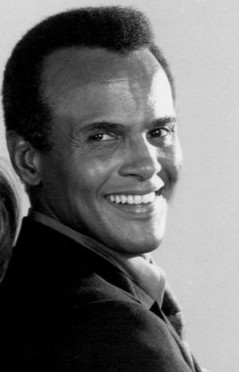
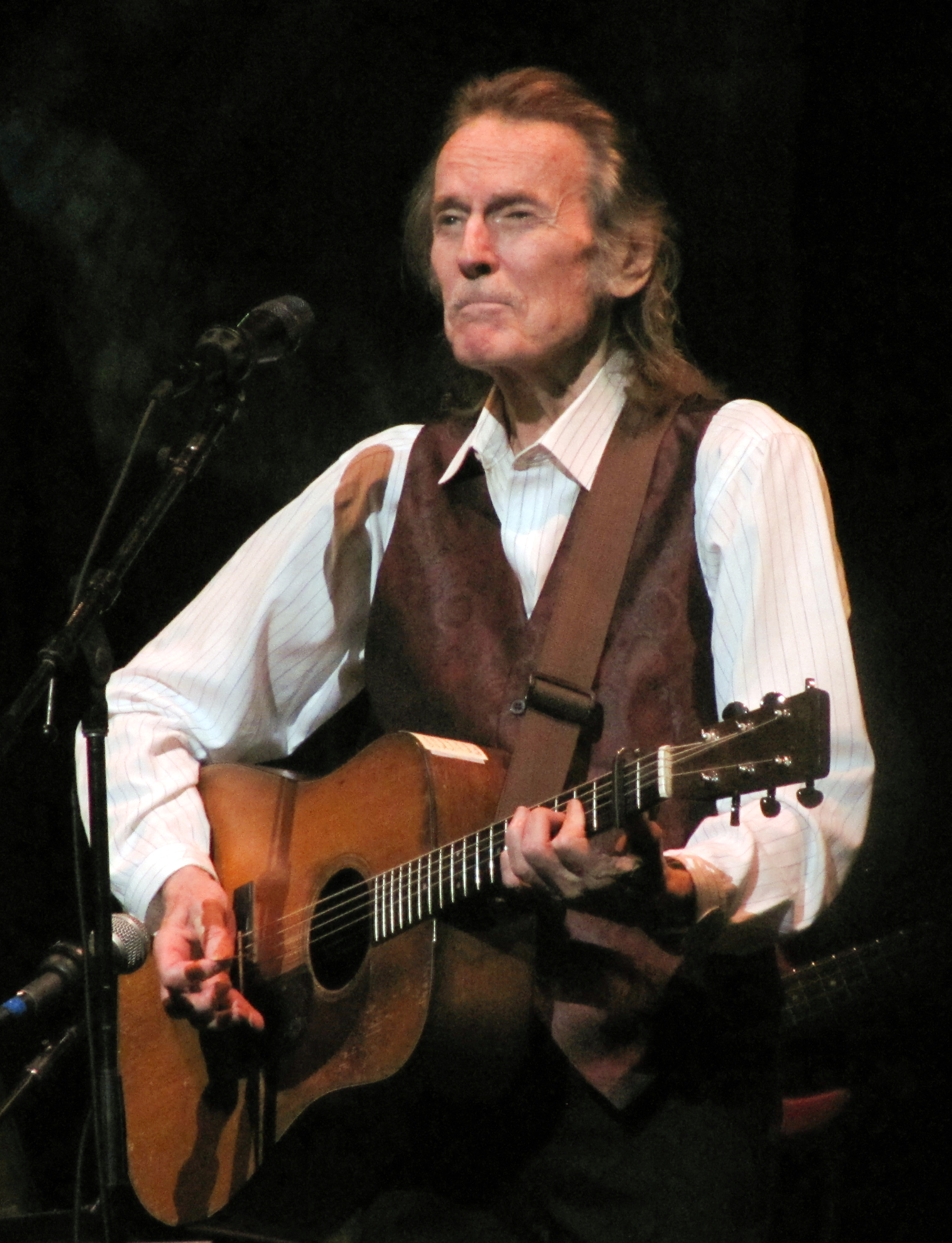
 photo: u.s. navy · public domain ↗
Jimmy Buffett
sourcesWikipedia · Caribbean Journal
Jimmy Buffett grew up on Alabama's Gulf Coast in a family of sailors and dockworkers, absorbing New Orleans R&B off the radio before drifting into folk clubs and a brief, unsuccessful stab at Nashville country stardom around 1970. A chance meeting that same year with fellow troubadour Jerry Jeff Walker redirected him toward Key West, where beachside bars, sailing, and a looser, funnier sensibility fused country, calypso, and rock into what he called 'Gulf and Western.' His 1977 single 'Margaritaville' made him a permanent fixture of American escapism, and he spent the next four decades building the Coral Reefer Band, a hospitality empire, and a self-mocking mythology of parrotheads and cheeseburgers, all while insisting it was 'pure escapism' and he knew it. He died in 2023 and was posthumously inducted into the Rock and Roll Hall of Fame.
the sound in question
1977
MargaritavilleJimmy Buffett
walk the tributaries ↓
Jerry Jeff Walker1970s · Progressive country / Outlaw country / Folk
Buffett met Walker in Nashville in 1970, and Walker's 'pied piper' love of the road — fun-first, unpretentious, gypsy-songman storytelling — reoriented Buffett's sense of what a folk-country troubadour could be; Walker soon drove him down to Key West, the trip that reshaped Buffett's entire career. The plainly drawn character-sketch songwriting Walker modeled on 'Mr. Bojangles' echoes directly in Buffett's own story-songs.
listen: upstream & heresource: Texas Monthly ↗
1968
Mr. BojanglesJerry Jeff Walker
1973
He Went to ParisJimmy Buffett
listen forSet 'Mr. Bojangles' beside 'He Went to Paris' — both are unhurried, talked-as-much-as-sung character portraits tracing one man's whole life across a handful of verses, ending on a note of hard-earned, understated peace.
Harry Belafonte1950s–60s · Calypso / Folk / World
Buffett called Belafonte a mentor, tracing it to watching him sing 'Jamaica Farewell' on The Ed Sullivan Show as a ten-year-old. Belafonte's calypso records were his first specifically Caribbean influence, well before Key West, feeding directly into the island rhythms Buffett folded into his own Gulf-and-Western sound.
listen: upstream & here
1956
Jamaica FarewellHarry Belafonte
1979
VolcanoJimmy Buffett
listen forCompare 'Jamaica Farewell' with 'Volcano' — both ride a light, rolling Caribbean lilt under a plainspoken, storytelling vocal, using island color to conjure a specific place rather than a generic beach.
Gordon Lightfoot1970s · Folk / Soft rock / Country
Buffett recalled listening to songwriters like Lightfoot as a young musician and admiring them as 'great writers,' a plainspoken folk-narrative influence that surfaces in Buffett's quieter, more intimate songs — the ones that trade the parrot-head persona for a simple, confessional lyric about missing someone.
listen: upstream & here
1970
If You Could Read My MindGordon Lightfoot
1974
Come MondayJimmy Buffett
listen forSit with 'If You Could Read My Mind' next to 'Come Monday' — both strip down to an acoustic guitar and an unadorned, conversational vocal confessing a plain ache, miles from either artist's more famous uptempo material.