walking upstream…
Gordon Lightfoot
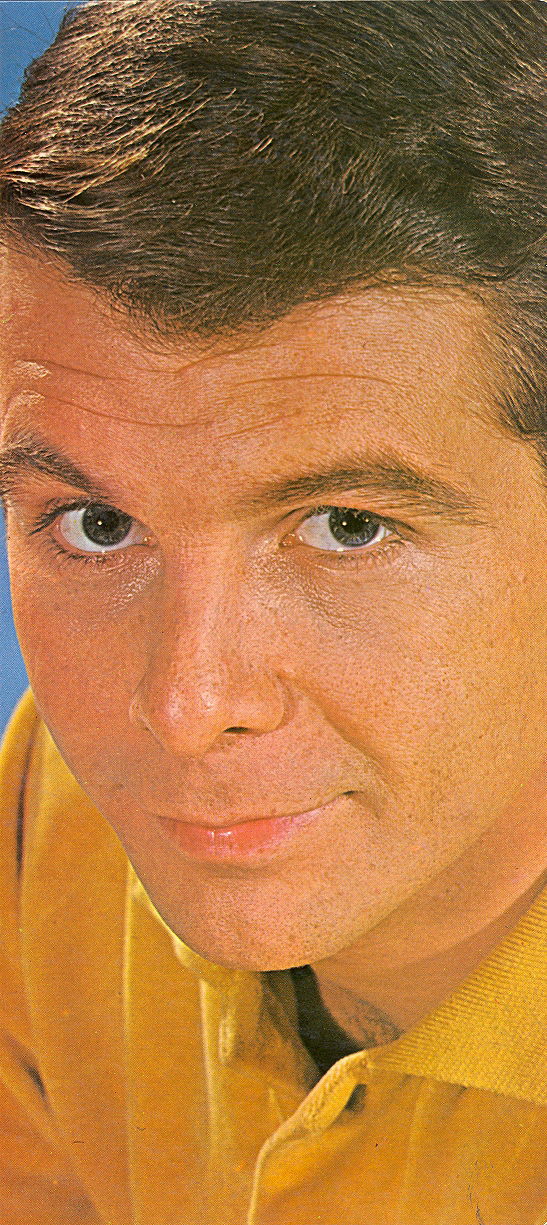

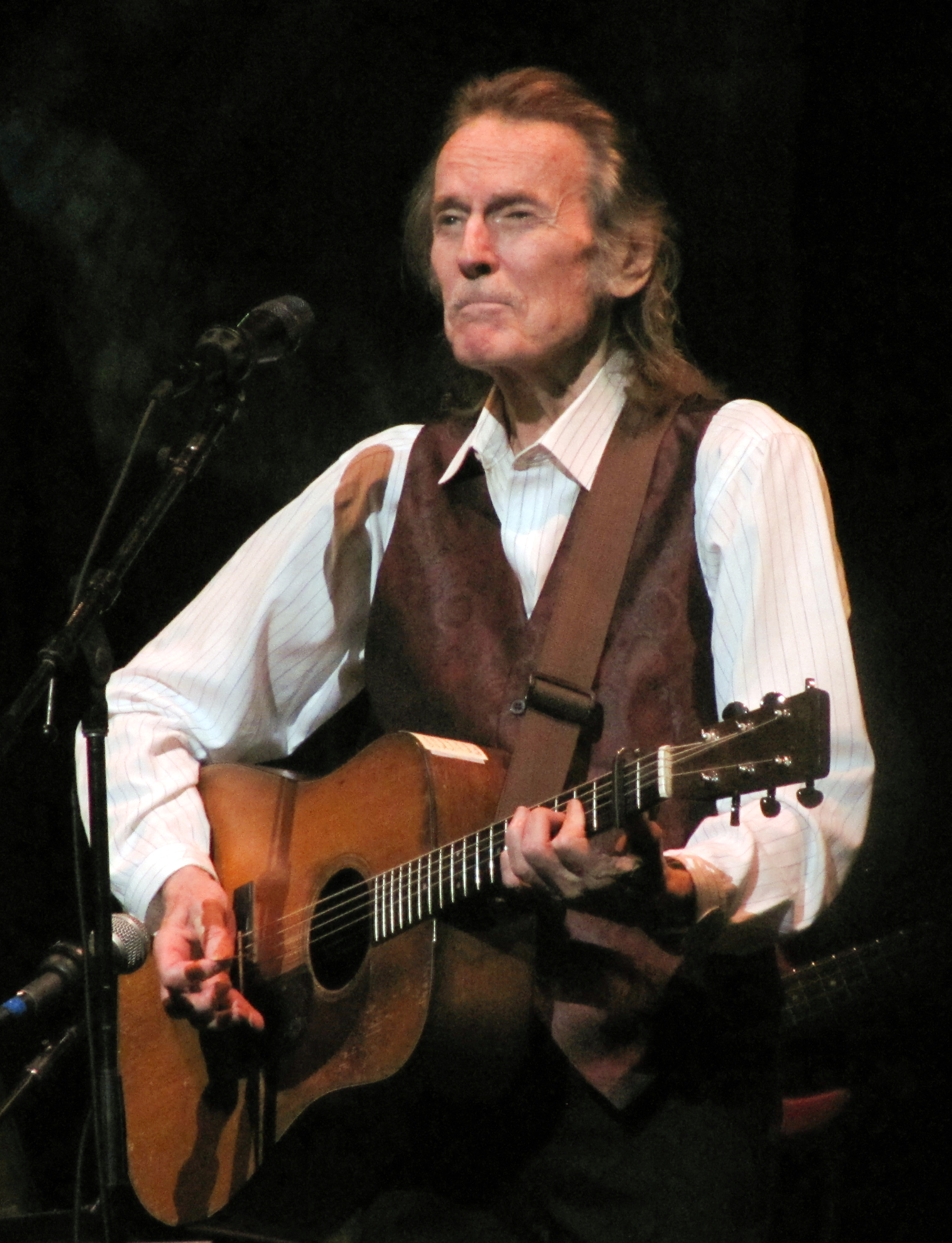 photo: arnielee · cc by-sa 3.0 ↗
Gordon Lightfoot
Gordon Lightfoot grew up a boy soprano in Orillia, Ontario, singing at Massey Hall by age twelve before two years at Los Angeles' Westlake College of Music schooled him in jazz composition and orchestration. It was the folk revival swirling around him there — the music of Pete Seeger, The Weavers, and Chicago's Bob Gibson chief among his influences — that pulled him back toward plainspoken, story-driven songwriting when homesickness sent him back to Toronto in 1960. His 1966 debut 'Lightfoot!' and the CBC-commissioned 'Canadian Railroad Trilogy' the following year established him as English Canada's foundational singer-songwriter, his deep, unhurried baritone wrapped around trains, shipwrecks, and heartbreak. 'If You Could Read My Mind' and 'Sundown' carried him to genuine American pop stardom in the 1970s, while Dylan, Presley, and Peter, Paul and Mary all recorded his songs.
the sound in question
1970
If You Could Read My MindGordon Lightfoot
walk the tributaries ↓
Bob Gibson1960s · Folk
Gibson's music was a named, direct influence on Lightfoot during his California years, and the connection became concrete years later: Lightfoot's own CD-booklet notes describe his 1967 centennial commission 'Canadian Railroad Trilogy' as patterned on the structure of Gibson and Hamilton Camp's 'Civil War Trilogy,' the multi-part suite from their landmark 1961 live album 'At the Gate of Horn.'
listen: upstream & heresource: Wikipedia ↗
1961
Civil War TrilogyBob Gibson
1967
Canadian Railroad TrilogyGordon Lightfoot
listen forListen to Gibson and Camp's 'Civil War Trilogy' against Lightfoot's 'Canadian Railroad Trilogy' — both structure one extended piece as a sequence of contrasting sections, using shifts in tempo and melody the way a suite uses movements, to carry a sweeping historical narrative rather than a single verse-chorus story.
Pete Seeger1950s · Folk
Lightfoot came up in the same folk-revival current that made Seeger's plainspoken, banjo-and-guitar storytelling a model for an entire generation; Wikipedia's account of his California years names Seeger's music directly among the influences he absorbed before homesickness sent him back to Toronto in 1960. It surfaces less as direct imitation than as an ethos: trust the story, keep the arrangement out of the way, and let a long, plainly sung narrative carry its own emotional weight.
listen: upstream & here
1960
Where Have All the Flowers GonePete Seeger
1966
Early Morning RainGordon Lightfoot
listen forSet 'Where Have All the Flowers Gone' beside 'Early Morning Rain' — both ride an unhurried, unadorned strum and a plainly sung melody, using a simple, almost circular lyric structure to do the emotional work instead of vocal ornament.
The Weavers1950s · Folk / Traditional pop / Political folk
The same brief early-career account groups The Weavers among Lightfoot's formative listening in Los Angeles — a group that had already proven, with 'Goodnight Irene' in 1950, that a plainly arranged folk song could top the pop charts rather than stay confined to the coffeehouse circuit. That template — dress a folk-rooted song in a clean, radio-ready arrangement without sanding off its plainspoken bones — is the same trick Lightfoot pulled off two decades later.
listen: upstream & here
1950
Goodnight IreneThe Weavers
1974
SundownGordon Lightfoot
listen forCompare 'Goodnight Irene' with 'Sundown' — both took an unfussy, folk-rooted song all the way to No. 1 on the pop charts, proving a plainspoken melody could out-compete more ornate contemporary hits.