Bob Gibson

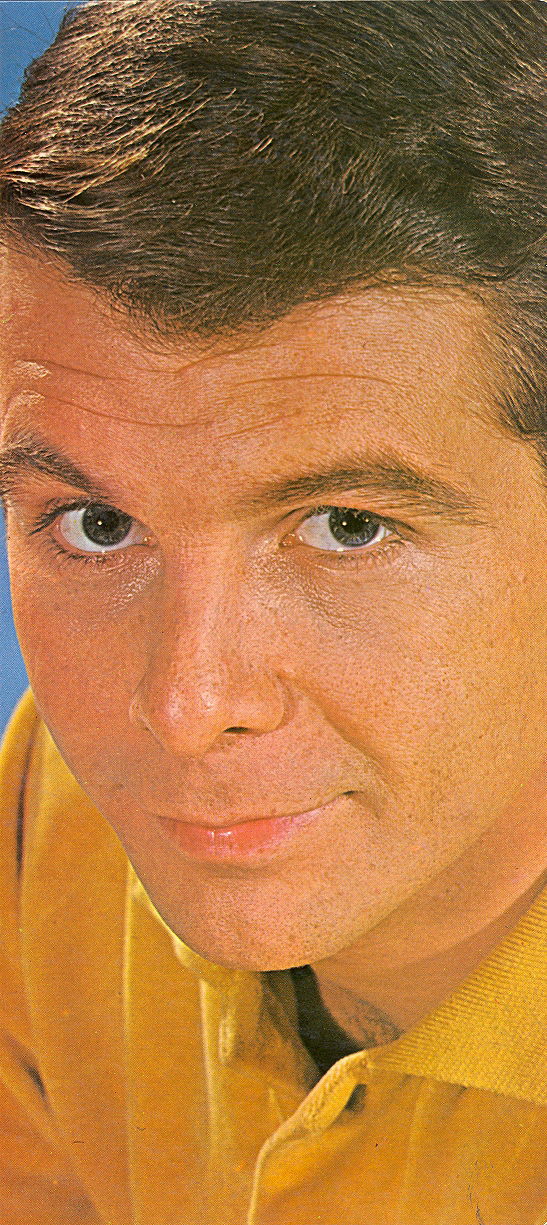 photo: public domain ↗
Samuel Robert Gibson grew up in Brooklyn and the towns north of New York City, hitchhiking around the country before a 1953 meeting with Pete Seeger changed everything — impressed by Seeger's banjo playing, Gibson spent his rent money on one that same week and immersed himself in folk music. He became the resident star of Chicago's Gate of Horn, the club Albert Grossman built around him, weaving calypso songs collected on Caribbean cruise-ship gigs together with Appalachian ballads and gospel material, all rearranged for coffeehouse audiences. His 1961 live album with Hamilton Camp, 'At the Gate of Horn,' became a folk-revival touchstone that shaped performers from Gordon Lightfoot to John Denver, and Gibson personally introduced an unknown Joan Baez at the 1959 Newport Folk Festival. Addiction interrupted his prime, but 'Abilene' and 'You Can Tell the World' outlived it.
Gibson himself called this the hinge of his life: he met Seeger in 1953, spent an evening watching him play banjo, and later said 'the day I met him was really the day I began' — he took the money set aside for rent and bought a banjo that week, quit his day job, and gave himself over to studying folk music. Seeger's plain, unhurried banjo picking and his faith that traditional song could hold an audience on its own became the foundation Gibson built his whole career on.
listen forPlay 'Where Have All the Flowers Gone' next to 'I Come for to Sing' — both let an unhurried banjo or guitar figure and a plainly delivered vocal carry a folk melody with almost no ornamentation, trusting the tune and the words to do the work.