walking upstream…
Harry Belafonte
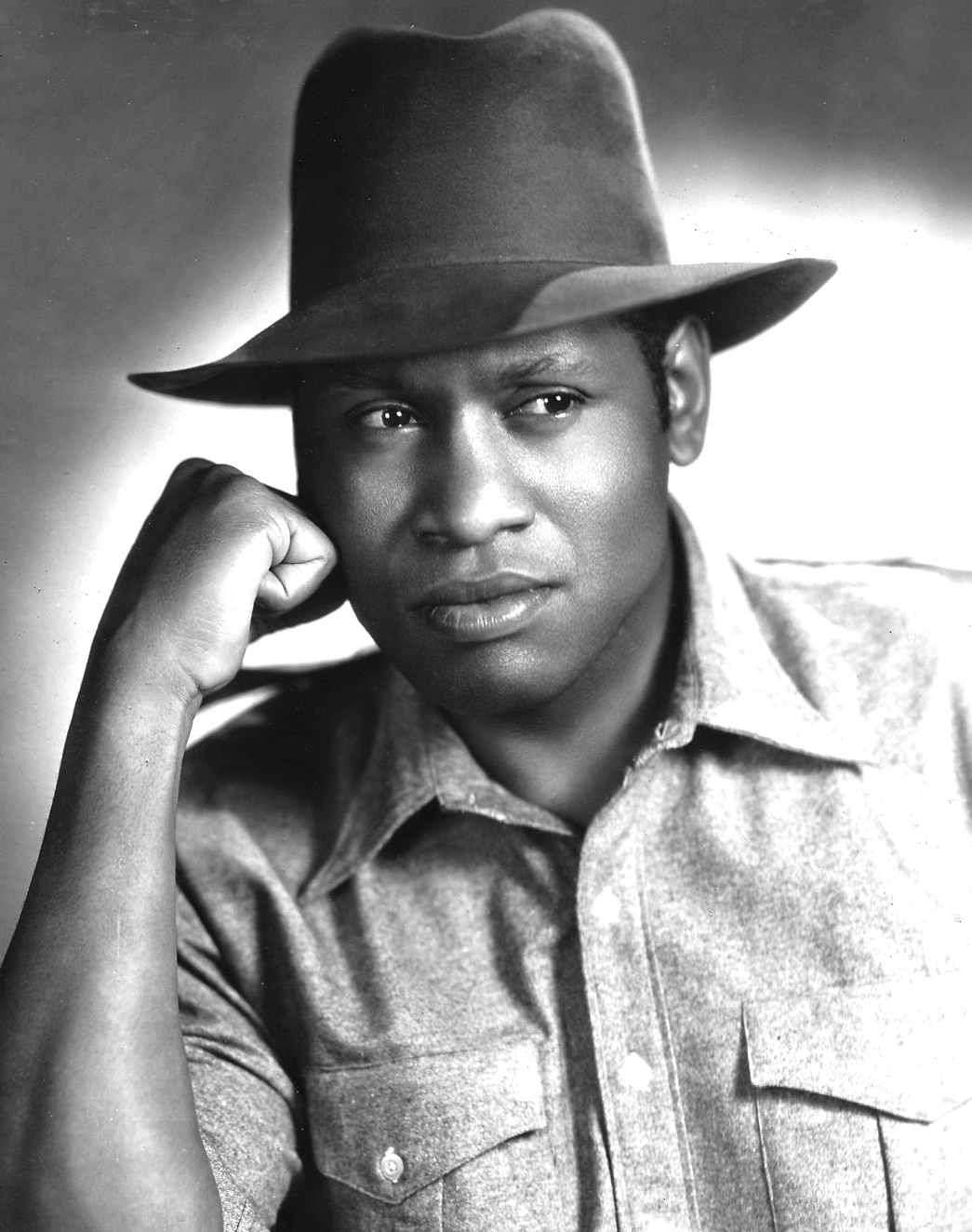


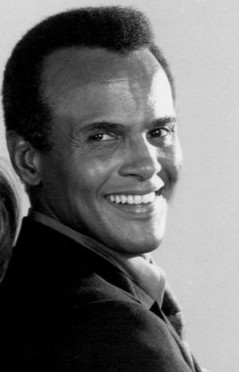 photo: nbc television · public domain ↗
Harry Belafonte
sourcesWikipedia — Harry Belafonte biography · Democracy Now! — "Sing Your Song" · NPR — Harry Belafonte · NPR — How Harry Belafonte's Caribbean roots helped him change America (bio, Caribbean identity) · New York Almanack — Harry Belafonte's Early Career in Greenwich Village (Sage Coffee Shop, Josh White jukebox) · AllMusic — The Midnight Special (1962) album review and credits
Harold George Belafonte Jr. grew up shuttling between Harlem, where his mother scrubbed floors to survive, and his grandmother's house in Jamaica's St. Ann Parish. He wasn't chasing a stage; a building superintendent's tip of two theater tickets got him into the American Negro Theater, where he and a struggling young actor named Sidney Poitier shared a single Broadway ticket, trading acts at intermission — "sharing the burden and the joy." He drifted into folk music running a failed Greenwich Village coffee shop, then broke pop records outright with 1956's Calypso, the first LP by a solo artist to sell a million copies. He spent the rest of his life insisting the two halves of his work were never separate: "I was long an activist before I became an artist."
the sound in question
1956
Day-O (The Banana Boat Song)Harry Belafonte
walk the tributaries ↓
Paul Robeson1930s–40s · Spirituals / Concert / Folk
In 1997, addressing veterans of the Abraham Lincoln Brigade sixty years after they sailed for Spain, Belafonte didn't lead with politics — he sang. "And it was from Paul that I learned," he told the room, breaking into "Viva la Quince Brigada, Rumbala, rumbala, rum-ba-la," then "Los Quatros Generalos" — the same two songs Robeson had taught him note by note, voice to voice, years earlier. The philosophy arrived with the melodies: "it was from Paul that I learned that the purpose of art is not just to show life as it is, but to show life as it should be."
listen: upstream & heresource: Abraham Lincoln Brigade archive — Belafonte's 1997 remarks on Paul Robeson (direct song-teaching testimony) ↗
1941
The Four Insurgent GeneralsPaul Robeson
listen forRobeson's 1941 recording of "The Four Insurgent Generals" is grave and almost unaccompanied-sounding even with Lawrence Brown at the piano — each line lands like a vow, not a verse. Belafonte never recorded either of the two songs Robeson taught him; the lesson traveled by ear, not tape, so there's no matching track to hold up beside it. Listen instead for where it resettled: Belafonte opening 1959's Belafonte at Carnegie Hall with the defiant "Darlin' Cora" instead of a crowd-pleaser — "I began with my purpose," he said — Robeson's instinct, twenty years on.
Lead Belly1930s–40s · Country blues / American folk / Songster
Belafonte was floundering, trying and failing to be "another Billy Eckstine," when he wandered into the Village Vanguard and caught Huddie Ledbetter's set. "I stumbled into the Village Vanguard and saw Leadbelly perform and thought, Oh my God, here it all is," he said — and went straight to the Library of Congress to dig through the field recordings Lead Belly's own records had pointed him toward, teaching himself the chain-gang songs he'd carry for the rest of his career.
listen: upstream & heresource: MOJO — Harry Belafonte Interviewed (Robeson, Lead Belly, and the Midnight Special/Dylan session) ↗
1934
Midnight SpecialLead Belly
1962
Midnight SpecialHarry Belafonte
listen for"Midnight Special" was the song most closely tied to Lead Belly's 1934 Library of Congress recordings — a passing train standing in for the hope of parole — and Belafonte named his whole 1962 album after it. Listen for how the arrangement keeps that same call-and-response shape but glosses the twelve-string holler into a studio session: a teenage Bob Dylan sat in on harmonica, played it in one take, and — Belafonte remembered — "headed for the door, and threw the harmonica into the trashcan on his way out."
Josh White1940s–50s · Blues / Folk / Gospel
When Josh White died in 1969, Belafonte didn't wait for a formal tribute — he gave the Associated Press a statement naming White specifically, not the folk scene generally, as the man who shaped him: "I spent many, many hours with him in the years of my early development. He had a profound influence on my style. At the time I came along, he was the only popular black folk singer." White's records had already been turning on the jukebox at Belafonte's own failed coffee shop, the Sage, years before the two men logged those hours together.
listen: upstream & heresource: Document Records — Josh White biography, quoting Belafonte's 1969 statement on White's influence ↗
1940
TroubleJosh White
listen forOn "Trouble," listen to how White scrubs the grit off Delta blues without losing the ache — his guitar picking is precise, his diction is clean enough for a midtown nightclub, and the protest sits inside a polished, theatrical delivery rather than a raw one. No Belafonte recording of this or any other White song has been confirmed, so there's no exact track to set beside it — but that same trick, message wrapped in polish for a room that wouldn't have sat still for it raw, is the style Belafonte credited White with teaching him.