walking upstream…
Paul Robeson


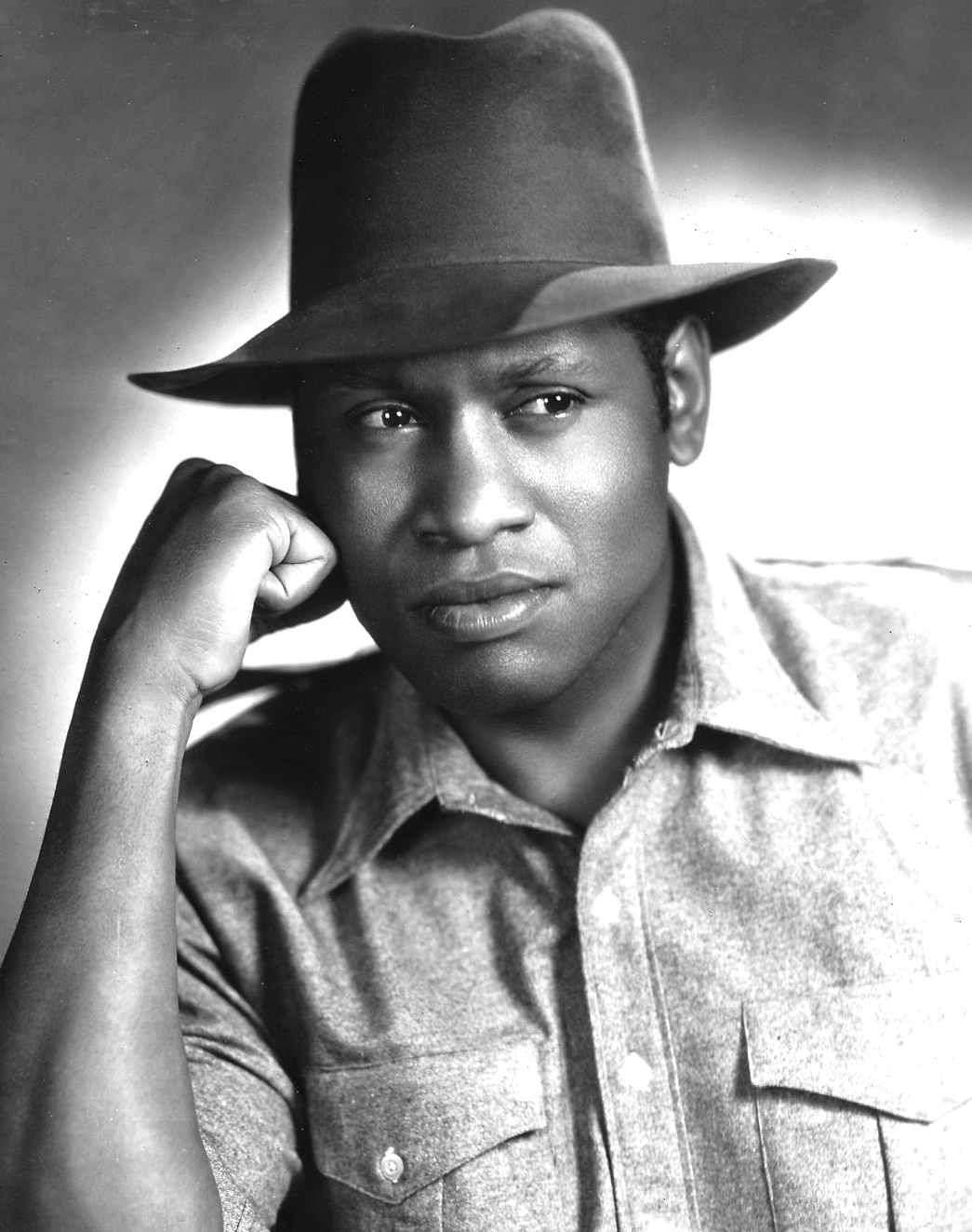 photo: unknown photographer · public domain ↗
Paul Robeson
In January 1925, the 26-year-old actor Paul Robeson wrote an essay for The Messenger, the Black political magazine, admitting he still needed hope for a career on the serious stage — and naming the working Black actors, singers, and musical-comedy stars whose example sustained him. Three months later, on April 19, 1925, he answered his own essay with a program of African American spirituals at the Greenwich Village Theatre, believed the first concert recital ever given entirely of that material, with pianist Lawrence Brown at his side. Robeson had grown up singing in his father's Princeton church, where a formerly enslaved man's Sunday hymns became, decades later, a repertoire fit for the recital hall. Ol' Man River made him famous; that recital, and the two singers he'd named as its models, made him a concert artist first.
the sound in question
1936
Ol' Man RiverPaul Robeson
walk the tributaries ↓
Roland Hayes1920s–30s · Spirituals / Classical / Concert
Robeson wrote it plainly, months before his own concert debut: "So today Roland Hayes is infinitely more of a racial asset than many who 'talk' at great length... If I can do something of a like nature, I shall be happy, I shall be happy." Hayes, already internationally famous for concert programs that closed on a set of spirituals, was the proof that the recital hall would take this repertoire seriously — proof Robeson needed before he'd risk his own stage debut on the same material three months later.
listen: upstream & here
1940
Deep RiverRoland Hayes
1927
Deep RiverPaul Robeson
listen forBoth men treat "Deep River" as testimony, not showcase: no rushed runs, no ornament dressing up the melody, just a steady, almost conversational build from a hushed opening to full voice on the words "that promised land." Play Hayes's 1940 recording against Robeson's 1927 side and listen for that shared refusal to hurry the song — the same patient, hymn-paced phrasing Robeson said he hoped to bring to a stage of his own.
Lawrence Brown1920s–40s · Spirituals / Classical / Concert
Brown discovered Robeson as a singer at a London party in 1922 and, once both men were back in New York, ended up over dinner running through a set of spirituals — the two of them singing "Ev'ry Time I Feel the Spirit" together on the spot. That impromptu duet, one biography recounts, is what convinced them to organize a public concert; Brown coached Robeson on the program for four weeks, and the two performed together for the next thirty-six years.
listen: upstream & heresource: Afrocentric Voices in "Classical" Music — Lawrence Brown biography (discovery of Robeson, 1925 recital, the Robeson–Brown partnership, 1926 NYT review) ↗
1925
Every Time I Feel the Spirit (informal duet, unrecorded)Lawrence Brown
1945
Every Time I Feel the SpiritPaul Robeson
listen forA 1926 New York Times review of the pair caught the division of labor still audible on record: "Mr. Brown's collaboration at the piano exactly fitted the needs of the singer... He made a foil to Mr. Robeson's graver and more emotional moods." On the 1945 recording of "Every Time I Feel the Spirit," listen for that same push and pull — Brown's piano keeping a bright, propulsive lift under Robeson's slower, weightier vocal line.
Harry Burleigh1910s–20s · Spirituals / Classical / Art song
Burleigh appears by name in the same 1925 essay — "I've heard of Aldridge and seen Burleigh, Hayes, Gilpin and Williams" — one of the handful of Black artists whose example gave Robeson "plenty of hope." Burleigh had already spent a decade turning spirituals he'd learned as a boy into published concert arrangements, the format the recital stage required; Robeson's touring repertoire, including his 1946 recording of "Go Down Moses," drew directly on that catalog rather than inventing a concert version from scratch.
listen: upstream & here
1919
Go Down, MosesHarry Burleigh
1946
Go Down MosesPaul Robeson
listen forListen for the piano doing Burleigh's specific work: a steady, hymn-like harmony laid under the vocal line rather than the sparser, call-and-response accompaniment of the oral tradition. Robeson's 1946 "Go Down Moses" follows the shape of Burleigh's published 1917 arrangement almost exactly — verse, response, the same harmonic lift on "let my people go" — the concert-song scaffolding Burleigh built for material that had circulated only by ear.