walking upstream…
Jerry Jeff Walker
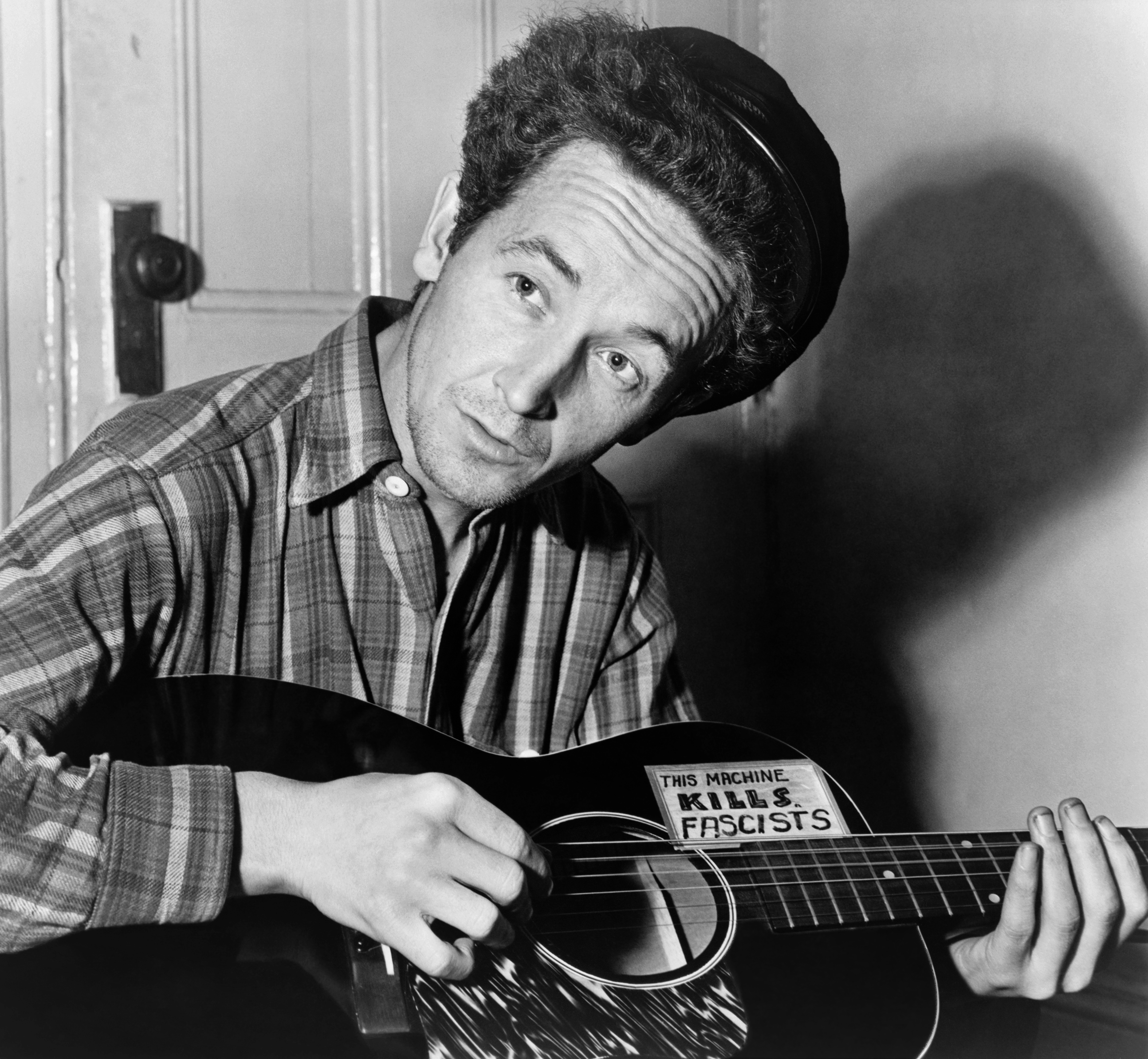


 photo: duke53 at english wikipedia · cc by-sa 3.0 ↗
Jerry Jeff Walker
sourcesWikipedia · AllMusic · Texas Monthly
Born Ronald Clyde Crosby in Oneonta, New York, Jerry Jeff Walker left the National Guard AWOL in the early 1960s to busk his way through New Orleans, Texas, and Greenwich Village's folk clubs, absorbing the talkin'-blues drift of Woody Guthrie, Ramblin' Jack Elliott, and the young Bob Dylan along the way. His 1968 signature song 'Mr. Bojangles,' a character sketch born from a night in a New Orleans drunk tank, became a standard covered by dozens of artists. Relocating to Austin in the early 1970s, he became a founding voice of the 'progressive country'/'cosmic cowboy' scene alongside Willie Nelson and Guy Clark, cementing his legend with the raucous, career-defining 1973 live album '¡Viva Terlingua!,' cut at the Luckenbach dancehall with the Lost Gonzo Band. He later mentored a young Jimmy Buffett, driving him to Key West and co-writing 'Railroad Lady' with him.
the sound in question
1968
Mr. BojanglesJerry Jeff Walker
walk the tributaries ↓
Woody Guthrie1940s · Folk / Americana / Talking blues
Accounts of Walker's formative years describe him as 'inspired by the gypsy songman lifestyle' of Woody Guthrie, absorbing both his wandering, no-fixed-address existence and his plainspoken, talked-through singing style during his early-1960s drift through New Orleans, Texas, and Greenwich Village.
listen: upstream & here
1944
This Land Is Your LandWoody Guthrie
1986
Gypsy SongmanJerry Jeff Walker
listen forCompare 'This Land Is Your Land' with 'Gypsy Songman' — both use a simple, repeating melodic frame as a vehicle for a talked-as-much-as-sung, first-person account of a life spent on the road.
Bob Dylan1960s · Folk / Folk rock / Rock
Critics and biographers describe Walker's early recordings as steeped in 'the talkin' blues style of Woody Guthrie, Ramblin' Jack Elliott and the young Bob Dylan' — the loose, half-spoken verse-into-punchline delivery Dylan used on his own Guthrie-facing debut material, which Walker carried into his own wry, autobiographical songwriting.
listen: upstream & here
1962
Song to WoodyBob Dylan
1973
Gettin' ByJerry Jeff Walker
listen forPlay 'Song to Woody' against 'Gettin' By' — both are loose, talked-through first-person accounts of a scuffling musician's life, more concerned with a wry, conversational cadence than a polished melody.
Ramblin' Jack Elliott1960s · Folk / Traditional folk / Country blues
The same talkin'-blues lineage names Elliott directly alongside Guthrie and Dylan as a formative influence on Walker's sound; Elliott's 'laconic, humorous storytelling' style — long, shaggy-dog spoken introductions bleeding into song — is the direct ancestor of Walker's own famous in-concert rambles, most legendarily the extended spoken build-up he gives 'Up Against the Wall, Redneck Mother.'
listen: upstream & here
1958
San Francisco Bay BluesRamblin' Jack Elliott
1973
Up Against the Wall, Redneck MotherJerry Jeff Walker
listen forCompare Elliott's 'San Francisco Bay Blues' with Walker's 'Up Against the Wall, Redneck Mother' — both let a loose, funny, digression-filled spoken intro run long before the song itself even starts, treating the story as inseparable from the song.