walking upstream…
Bob Dylan
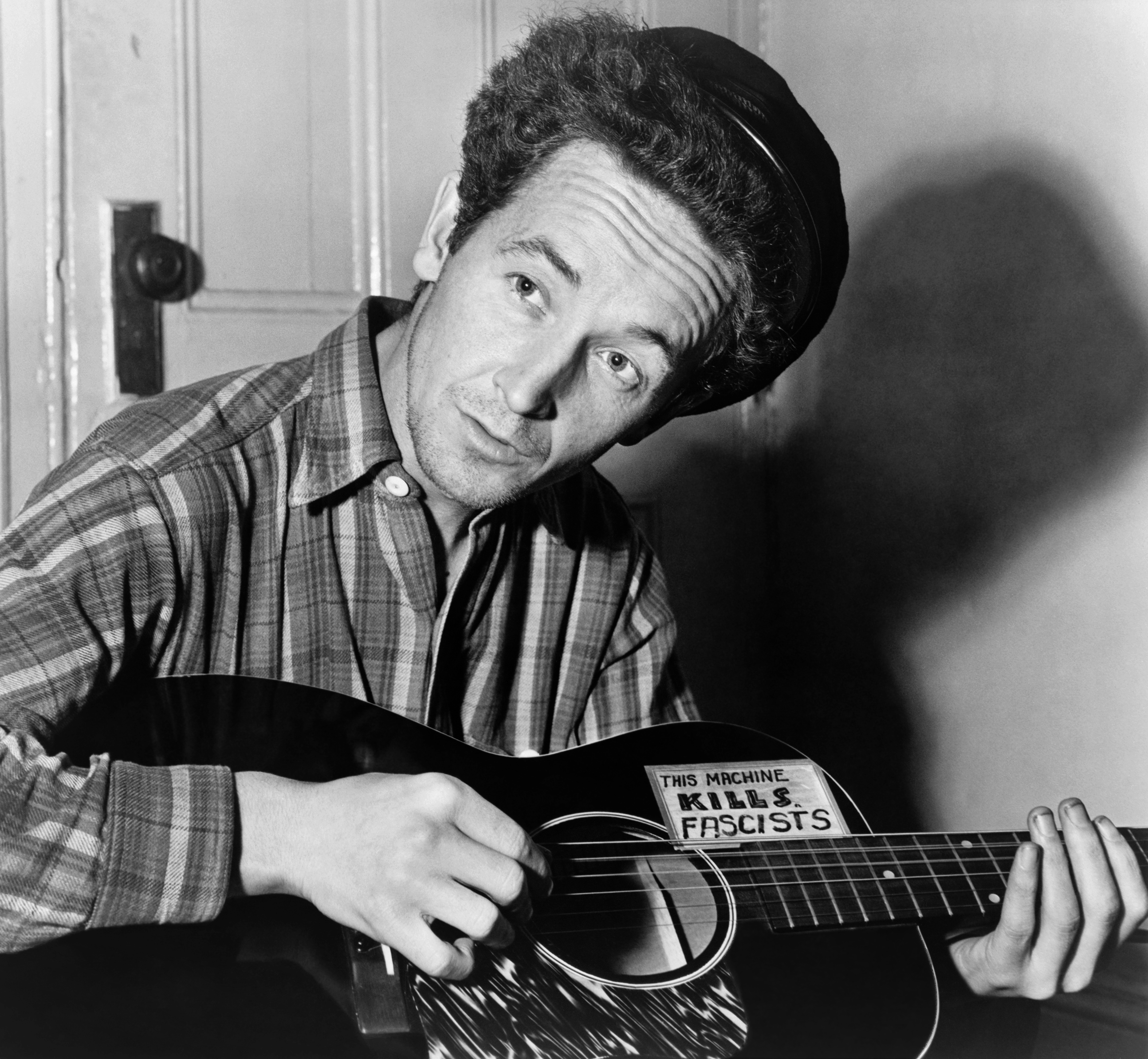
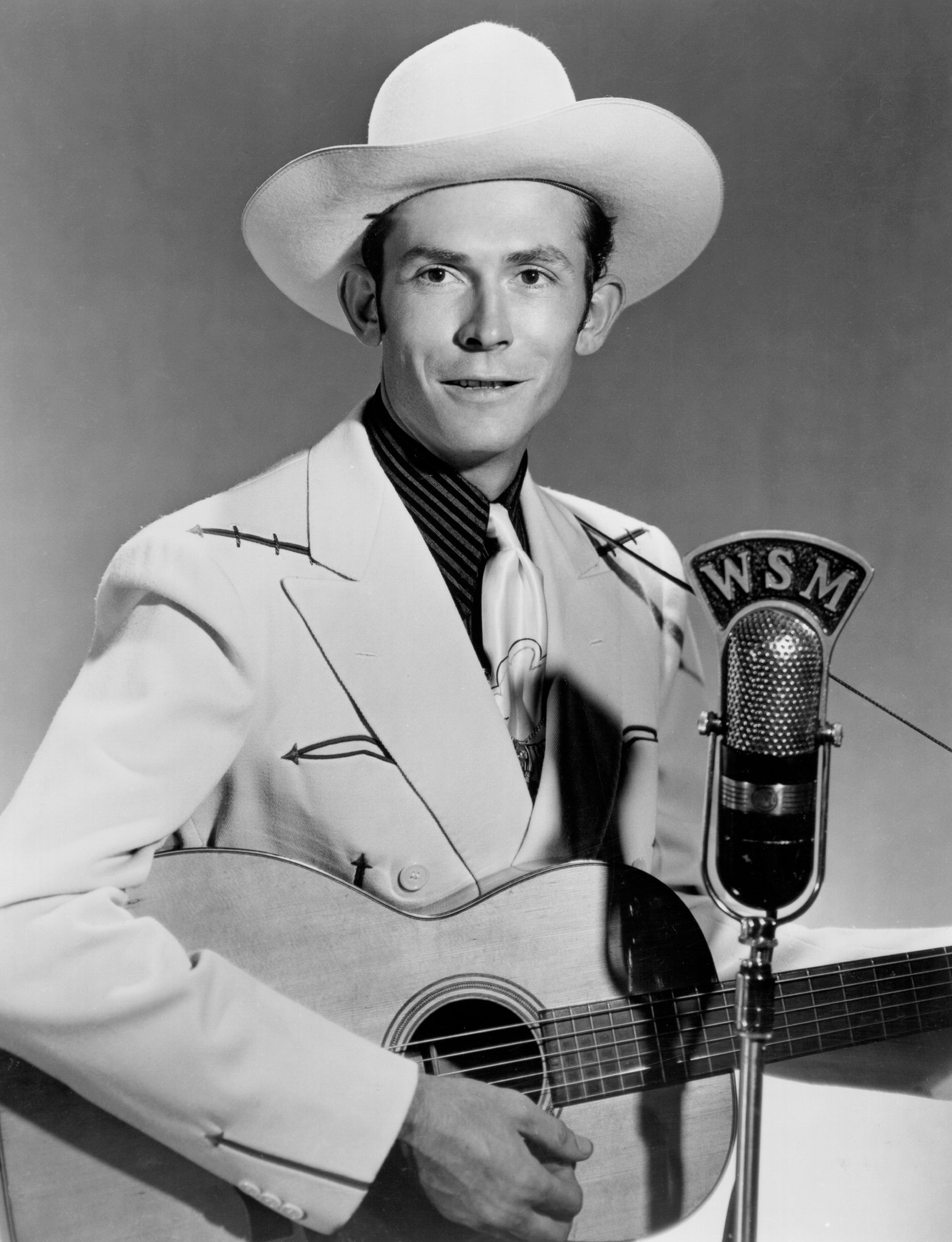
 photo: raph_ph · cc by 2.0 ↗
Bob Dylan
sourcesWikipedia2 · Wide Open Country · Far Out
Arriving in Greenwich Village in 1961 with a guitar, a harmonica rack, and Woody Guthrie's ghost at his shoulder, Bob Dylan rewrote what a popular song could carry, turning folk's plainspoken protest into dense, literary verse. 'Blowin' in the Wind' made him a movement's voice, and 'Like a Rolling Stone' detonated the folk-purist boundaries when he went electric in 1965. He built his art by absorbing three American streams at once - the Dust Bowl balladry of Woody Guthrie, the poet's economy of Hank Williams's honky-tonk, and the haunted imagery of Delta bluesman Robert Johnson. Still recording and touring six decades later, he remains rock's most argued-over poet.
the sound in question
1965
Like a Rolling StoneBob Dylan
walk the tributaries ↓
Woody Guthrie1940s · Folk / Americana / Talking blues
Guthrie was Dylan's first and defining idol: the teenaged Dylan modeled his Dust Bowl-balladeer persona, talking blues, and plainspoken protest on Guthrie, left Minnesota partly to visit his hospitalized hero in New Jersey in 1961, and wrote 'Song to Woody' as a direct tribute set to the melody of Guthrie's own '1913 Massacre.'
listen: upstream & here
1945
1913 MassacreWoody Guthrie
1962
Song to WoodyBob Dylan
listen forPlay Guthrie's '1913 Massacre' before Dylan's 'Song to Woody' - the younger man simply lifts the tune, so you hear the same slow, narrative folk cadence, the same lone-voice-plus-strummed-guitar frame, and the same trick of telling a story in unadorned, conversational verses.
Hank Williams1940s-50s · Country / Honky-tonk
Dylan devotes a passage of his memoir 'Chronicles: Volume One' to Williams, writing that he studied and internalized the structure of Williams's songs and heard him not as a 'hillbilly singer' but as a poet whose syllables 'make perfect mathematical sense'; he later told interviewer Paul Zollo that 'Hank Williams is still the best songwriter.'
listen: upstream & heresource: Chronicles ↗
1949
I'm So Lonesome I Could CryHank Williams
1963
Don't Think Twice, It's All RightBob Dylan
listen forSet Williams's 'I'm So Lonesome I Could Cry' beside Dylan's 'Don't Think Twice, It's All Right' - both use spare, plainly worded lines and a weary, conversational vocal to carry the whole weight of the heartbreak, letting a simple country cadence do the emotional work rather than any vocal display.
Robert Johnson1930s · Delta blues / Blues
In 'Chronicles: Volume One' Dylan recounts being handed a test pressing of 'King of the Delta Blues Singers' around 1961 and playing it obsessively, writing that Johnson's language and imagery reshaped his own writing - 'if I hadn't heard the Robert Johnson record when I did, there probably would have been hundreds of lines of mine that would have been shut down.'
listen: upstream & heresource: Chronicles ↗
1936
Cross Road BluesRobert Johnson
1966
Pledging My TimeBob Dylan
listen forCue Johnson's 'Cross Road Blues' before Dylan's 'Pledging My Time' - Dylan borrows the twelve-bar blues frame, the loping guitar-and-harmonica shuffle, and the same air of foreboding, singing in a tight, pinched blues voice that reaches for Johnson's haunted intensity.