walking upstream…
Gram Parsons

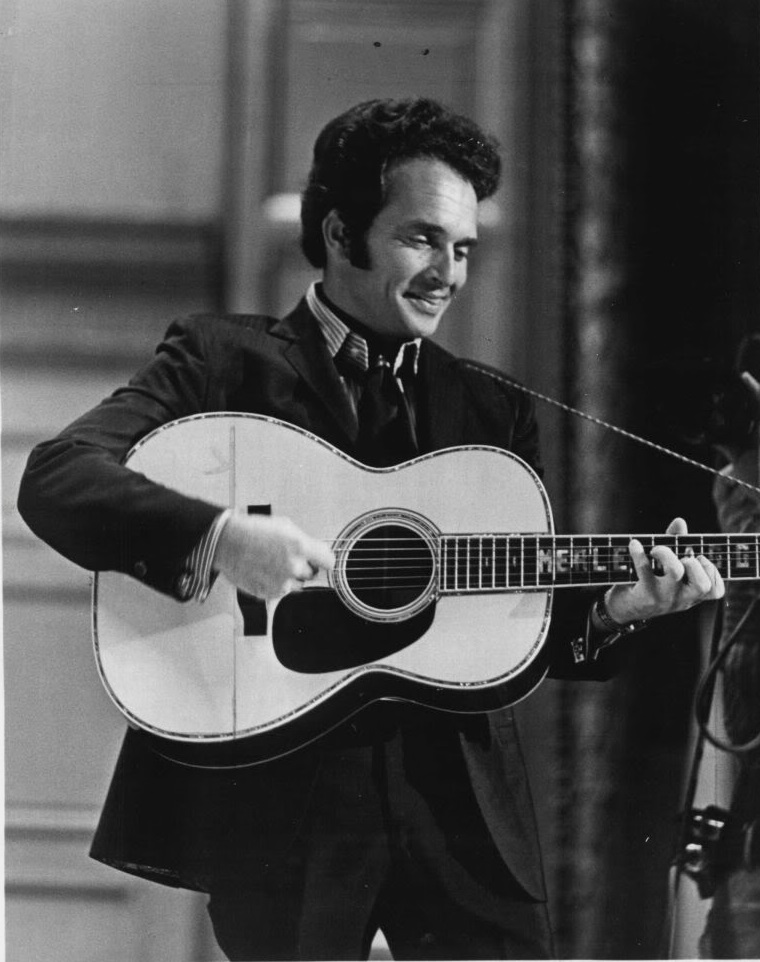
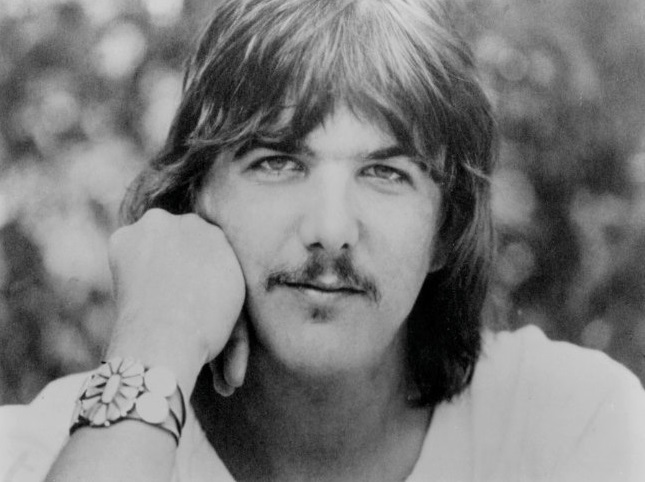 photo: reprise records · public domain ↗
Gram Parsons
sourcesHarvard Magazine — "Sound as Ever" (bio, Elvis origin story, Keith Richards and Emmylou Harris quotes) · Perfect Sound Forever — Bud Scoppa, Gram Parsons tribute notes (Roger McGuinn's 1969 Fusion quote) · Swampland.com — "Reflections on Gram Parsons · Rock & Roll Hall of Fame — Gram Parsons inductee page (official influence list) · The Guardian — "Naked talent" (Nudie Cohn tailor context; ruled out as a Hank Williams influence link) · Wikipedia
Ingram Cecil Connor III grew up in Waycross, Georgia, the son of a war-hero father who died by suicide when Gram was twelve and a citrus-fortune mother who drank herself to death the day he graduated high school. He dropped out of Harvard after one semester, chasing a country record nobody in his world wanted. He found it inside three short-lived bands — the International Submarine Band, a country detour through the Byrds' "Sweetheart of the Rodeo," the Flying Burrito Brothers — then two solo albums, "GP" and "Grievous Angel," cut with his last and best duet partner, Emmylou Harris. He called the blend of soul, gospel, country and rock he was chasing "Cosmic American Music." He died of a drug and alcohol overdose at the Joshua Tree Inn in September 1973, twenty-six years old, having barely sold a record — and having handed country rock its blueprint anyway.
the sound in question
1974
Return of the Grievous AngelGram Parsons
walk the tributaries ↓
George Jones1950s–80s · Country / Honky-tonk
Parsons's friends kept naming the same singer without being asked. Roger McGuinn remembered him bursting out of a piano bench with the Byrds in 1969: "It's George Jones! In a big sequin suit!" he told Fusion magazine, still startled by it. Parsons made the debt literal in 1972 while auditioning a shy backup singer named Emmylou Harris: "I thought of one of country's hardest duets I could think of to do, which was 'That's All It Took,'" he recalled, "and she just sang like a bird." He'd picked George Jones's own record to test her, then cut it himself the next year.
listen: upstream & heresource: Gram Parsons Project — Hank Wangford interview (George Jones as "his great love") ↗
1965
That's All It TookGeorge Jones
1973
That's All It TookGram Parsons
listen forJones and Gene Pitney trade verses like two men arguing themselves into heartbreak, each line landing flat and hard on the beat. Parsons and Harris slow the same song down and blur that argument into a single, aching harmony — his voice cracked and unsteady, hers impossibly level underneath it, exactly the blend he says he was listening for when he chose this song to test her voice against his.
The Louvin Brothers1950s · Country / Gospel / Close harmony
Parsons's last duet partner said he hadn't just introduced her to a genre, but to a family of harmony. "I really heard the genius of George Jones, the beauty of Louvin Brothers harmonies, the poetry of country music," Emmylou Harris told Dan Rather, describing what singing with Parsons opened her ears to. The Rock & Roll Hall of Fame's own inductee page for Parsons names the Louvin Brothers first among his influences, and he'd already backed the claim with action: on "Sweetheart of the Rodeo" he pushed to cut the Louvins' gospel side "The Christian Life" and sang the lead himself.
listen: upstream & heresource: NPR — "Charlie Louvin, Country Hall of Fame Singer, Has Died" (Parsons bringing the Louvin Brothers to a new audience) ↗
1959
The Christian LifeThe Louvin Brothers
1968
The Christian LifeGram Parsons
listen forThe Louvins' 1959 original locks two brothers' voices so tight they sound like one plain, churchy testimony. On the Byrds' version, listen for whose voice is actually singing lead: the 1968 pressing swapped in Roger McGuinn's vocal after Parsons's old record label objected, and only the 1997 and 2003 reissues restored the take he actually sang — the one that carries the Louvins' hymn phrasing into a rock record for the first time.
Merle Haggard1960s–70s · Country / Bakersfield sound / Outlaw country
In 1968, before the Byrds needed Merle Haggard's blessing to record his song, Gram Parsons drove out to Bakersfield to ask for it in person. "He came to my house and we talked about what we were going to do," Haggard recalled, in Marc Eliot's biography The Hag. "It's a form of flattery when someone records your music, when they accept it that way." Parsons got his yes and put Haggard's prison ballad on "Sweetheart of the Rodeo" — his second Haggard cover, after slipping "I Must Be Somebody Else You've Known" onto the International Submarine Band's record the year before, back when the two men hadn't yet met.
listen: upstream & heresource: Saving Country Music — "The Unlikely Friendship Between Gram Parsons and Merle Haggard" (Bakersfield visit, quotes reproduced from Marc Eliot's The Hag) ↗
1967
Life in PrisonMerle Haggard
1968
Life in PrisonGram Parsons
listen forHaggard's original is plain Bakersfield honky-tonk, a hard, unhurried shuffle with a voice that stays level even as the lyric describes a life sentence. On the Byrds' cut, Parsons kept his actual lead vocal — unlike several other Sweetheart tracks swapped for McGuinn's — and sings it younger and rawer, the twang thicker, like a rich kid trying on a stranger's hard luck and almost, but not quite, making it fit.