walking upstream…
Emmylou Harris
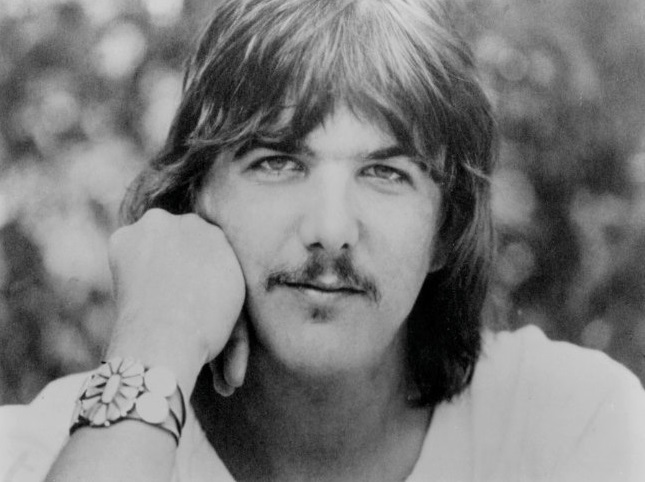

 photo: ckuhl at dutch wikipedia · cc by-sa 3.0 ↗
Emmylou Harris
Emmylou Harris started out as a folk singer on the Washington, D.C. coffeehouse circuit before Gram Parsons recruited her as his harmony partner and, in her words, "sneakily" converted her to country music. She carried that education into a solo career that fused honky-tonk classicism with rock and folk sensibilities, from her 1975 breakthrough "Pieces of the Sky" through the Grammy-winning "Wrecking Ball" two decades later, becoming one of the central architects — and tastemakers — of what would come to be called Americana.
the sound in question
1975
Boulder to BirminghamEmmylou Harris
walk the tributaries ↓
Gram Parsons1970s · Country rock / Cosmic American music / Country
Parsons recruited Harris as his harmony singer for "GP" and "Grievous Angel" and, by her own account, used that partnership to "sneakily" turn her from a folk singer into a country one, steering her toward the honky-tonk and bluegrass catalog that would define her solo sound. After his death in 1973 she carried his "Cosmic American Music" vision — hard country songcraft played with a rock band's feel — into her own career and repertoire.
listen: upstream & heresource: Boundary Stones ↗
1969
Sin CityGram Parsons
1975
Sin CityEmmylou Harris
listen forCompare the loping, twangy-but-electric backing on Parsons/Flying Burrito Brothers' "Sin City" to Harris's own cover: same weeping steel guitar and plainspoken vocal blend of country ache and rock band propulsion — the exact hybrid he taught her to hear.
The Louvin Brothers1950s · Country / Gospel / Close harmony
Gram Parsons turned Harris on to the Louvin Brothers, and their 1956 album "Tragic Songs of the Hills" became something like a harmony textbook for her — she has cited their tight, keening blood-harmony sound as a model for her own duet singing. She had her first country hit covering their 1958 ballad "If I Could Only Win Your Love," recreating the brothers' close two-part harmony as a duet with Herb Pedersen.
listen: upstream & here
1958
If I Could Only Win Your LoveThe Louvin Brothers
1975
If I Could Only Win Your LoveEmmylou Harris
listen forSet the Louvins' original next to Harris's version: the same high, nasal, tightly blended two-voice harmony sitting a third apart, just re-cast with Harris and Herb Pedersen standing in for Ira and Charlie.
Kitty Wells1950s · Country / Honky-tonk
Harris has repeatedly named Kitty Wells among the classic honky-tonk singers she immersed herself in once Parsons pointed her toward country music, and she measured her own instrument against Wells's plaintive, unadorned "true country voice." She paid direct tribute by reviving Wells's 1955 hit "Making Believe" on her 1976 album "Luxury Liner," carrying the song's aching, high-lonesome delivery into the country-rock era.
listen: upstream & heresource: Melody Era ↗
1955
Making BelieveKitty Wells
1976
Making BelieveEmmylou Harris
listen forListen for the same nasal, high-and-lonesome plainness in both versions — Wells's original barely-there vibrato against Harris's steel-guitar-laced remake, which keeps the melody's mournful restraint intact rather than smoothing it into something more polished.