walking upstream…
The Louvin Brothers

The Louvin Brothers
sourcesEncyclopedia of Alabama — "Louvin Brothers" by Jeffrey J. Lange (biographical account of the family, childhood influences, and career arc) · NPR/Fresh Air — "Charlie Louvin · Country Standard Time — "Livin', lovin', losin' the Louvins way" by Jon Johnson (biographical detail on Ira, downstream legacy)
On a Sand Mountain farm in Depression-era Alabama, Ira and Charlie Loudermilk learned to sing in the plain, doubled voices of their mother's Sacred Harp singings before turning it into a career: a country duo who cut gospel warnings and murder ballads with equal conviction and climbed from farm radio to the Grand Ole Opry. Ira's virtuoso mandolin was central to that sound until 1958, when producer Ken Nelson suggested it was hurting sales. Charlie later said Ira "would never play his mandolin again on a recording after that statement" and drank harder every year until the act split in 1963. Ira died in a car wreck two years later, but the songs did not: Gram Parsons carried them to the Byrds and to Emmylou Harris, who built a career partly on borrowed Louvin harmony.
the sound in question
1955
When I Stop DreamingThe Louvin Brothers
walk the tributaries ↓
The Delmore Brothers1930s · Country / Old-time / Close harmony
Charlie was five when he first heard them on the Grand Ole Opry, and the memory never dulled: "the Delmores were the hottest duet that ever was, or probably ever will be... it was like one man had two voices." Two decades later, planning a Capitol tribute album, the Louvins visited Alton Delmore to confirm their track list. Alton crossed the room, opened a dust-caked guitar case, and handed over the tenor guitar his brother Rabon had played until his death, saying it hadn't been opened since. Ira soaked the old strings in kerosene until they rang like new and cut the whole record with Rabon's own guitar.
listen: upstream & heresource: Fretboard Journal — "An Interview with Charlie Louvin" by Neko Case (Ira's mandolin, the Delmore Brothers tribute album and Rabon's guitar) ↗
1934
Brown's Ferry BluesThe Delmore Brothers
1960
Brown's Ferry BluesThe Louvin Brothers
listen forPlay the Delmore Brothers' original "Brown's Ferry Blues" against the Louvin Brothers' 1960 tribute-album version and listen for restraint: where the Delmores' close harmony sits soft and unhurried behind Alton's lead, the Louvins — a duo known for hard-driving gospel harmony — pull their voices back to match that same tidier, less showy blend, bending their sound down toward the record they grew up on rather than the other way around.
Bill Monroe1940s–50s · Bluegrass / Country / Old-time music
Ira needed a lead instrument once he'd handed Charlie the guitar, and he didn't improvise one. "He showed me what chords he knew and went and got a mandolin from a pawn shop in Chattanooga," Charlie remembered. "It was an f-5 just like Bill Monroe's." The brothers had grown up on the Monroe Brothers' duet records — mandolin and guitar, the same pairing Ira and Charlie settled into — and the Encyclopedia of Alabama names Bill Monroe as the model Ira studied most. Their final album together revisited "What Would You Give in Exchange for Your Soul," a song the Monroe Brothers had made famous, closing the loop.
listen: upstream & here
1936
What Would You Give in Exchange for Your SoulBill Monroe
1963
What Would You Give in Exchange for Your SoulThe Louvin Brothers
listen forSet the Monroe Brothers' 1936 recording of "What Would You Give in Exchange for Your Soul" beside the Louvin Brothers' 1963 version of the same hymn and the debt sits in the mandolin, not just the words: both tracks lock a fast, cutting mandolin line against a single close-blended vocal line that refuses to split into distinct lead and harmony parts. Cutting it decades later, on the eve of their own breakup, the Louvins keep Monroe's brisk, insistent tempo — choosing that specific song turned the tribute into the recording itself.
Roy Acuff1930s–40s · Country / Old-time / Gospel
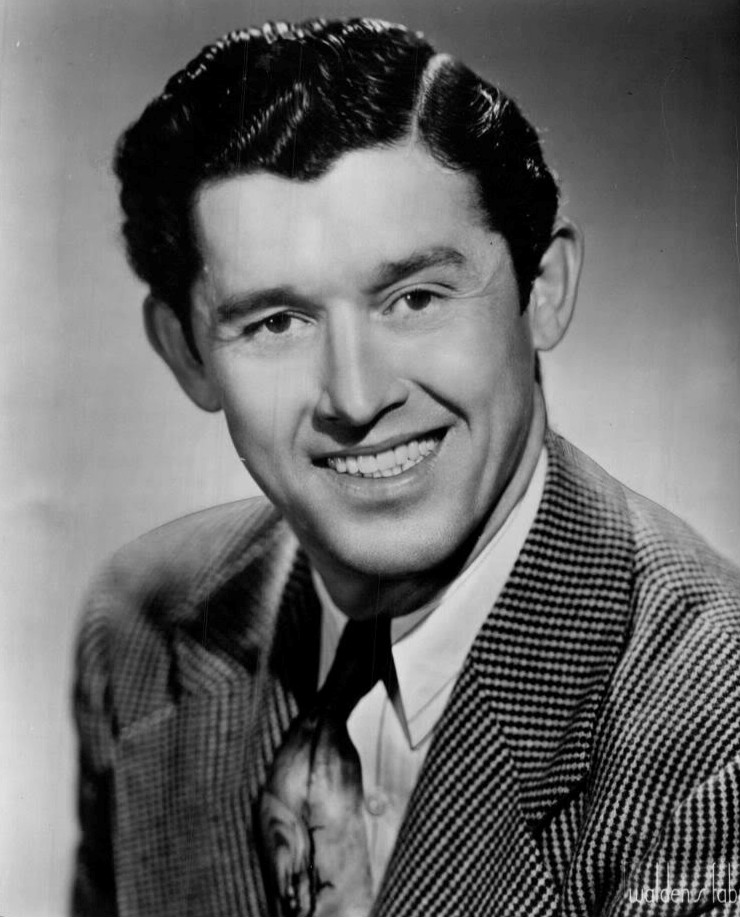
Roy Acuff's records sat in the same paternal collection that shaped the brothers as children, and when Capitol asked the Louvins, mid-career, which of their heroes they wanted to honor with a tribute album, Charlie named him in the same breath as the Delmores: "the label (Capitol) wanted to know who all we dug, and we named the Delmore Brothers and Roy Acuff." The resulting Sing the Great Roy Acuff Songs revisited Acuff's Opry-era catalog of hymn-adjacent story songs, including his signature "The Great Speckled Bird" — the grave, unhurried delivery the Louvins had absorbed long before they had a record deal of their own.
listen: upstream & here
1936
The Great Speckled BirdRoy Acuff
1967
The Great Speckled BirdThe Louvin Brothers
listen forCompare Roy Acuff's 1936 recording of "The Great Speckled Bird" to the Louvin Brothers' 1967 tribute version of the same song: Acuff sings the strange, apocalyptic parable almost flatly, letting the words carry the weight, and the Louvins — even with their tighter, more ornamented harmony — hold to that same unhurried, sermon-like pace rather than dressing the tune up, proof of how deep the Opry's plainspoken delivery ran in them.