walking upstream…
Eagles

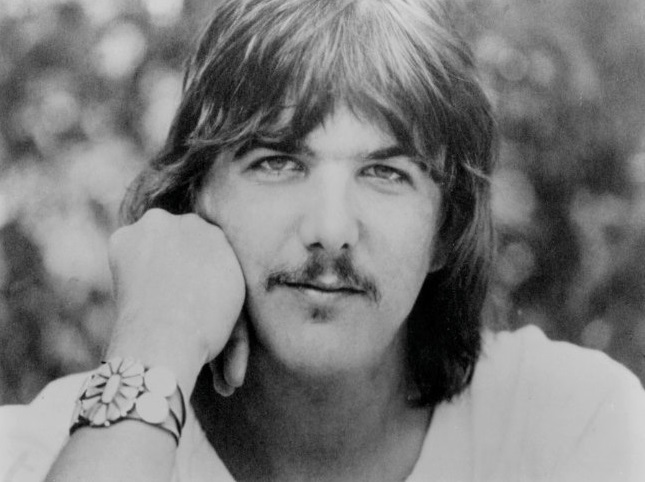

Detroit-bred guitarist Glenn Frey moved to Los Angeles in the late 1960s, fell in with songwriters J.D. Souther and Jackson Browne, and by 1971 had joined Don Henley, Bernie Leadon, and Randy Meisner in singer Linda Ronstadt's backing band, a lineup her manager John Boylan first assembled before the four decided to strike out on their own. Producer Glyn Johns, unimpressed by their bar-band sets in small Colorado clubs, came around only after the group set down its electric instruments and sang a cappella harmony at a rehearsal. That pull between rowdy rock and roll and polished country-rock harmony shaped everything after: Desperado's outlaw mythology, Hotel California's dread, a run of number-one singles through 1980. The Eagles turned Los Angeles's Laurel Canyon scene into the smoothest, best-selling sound of the decade.
the sound in question
1976
Hotel CaliforniaEagles
walk the tributaries ↓
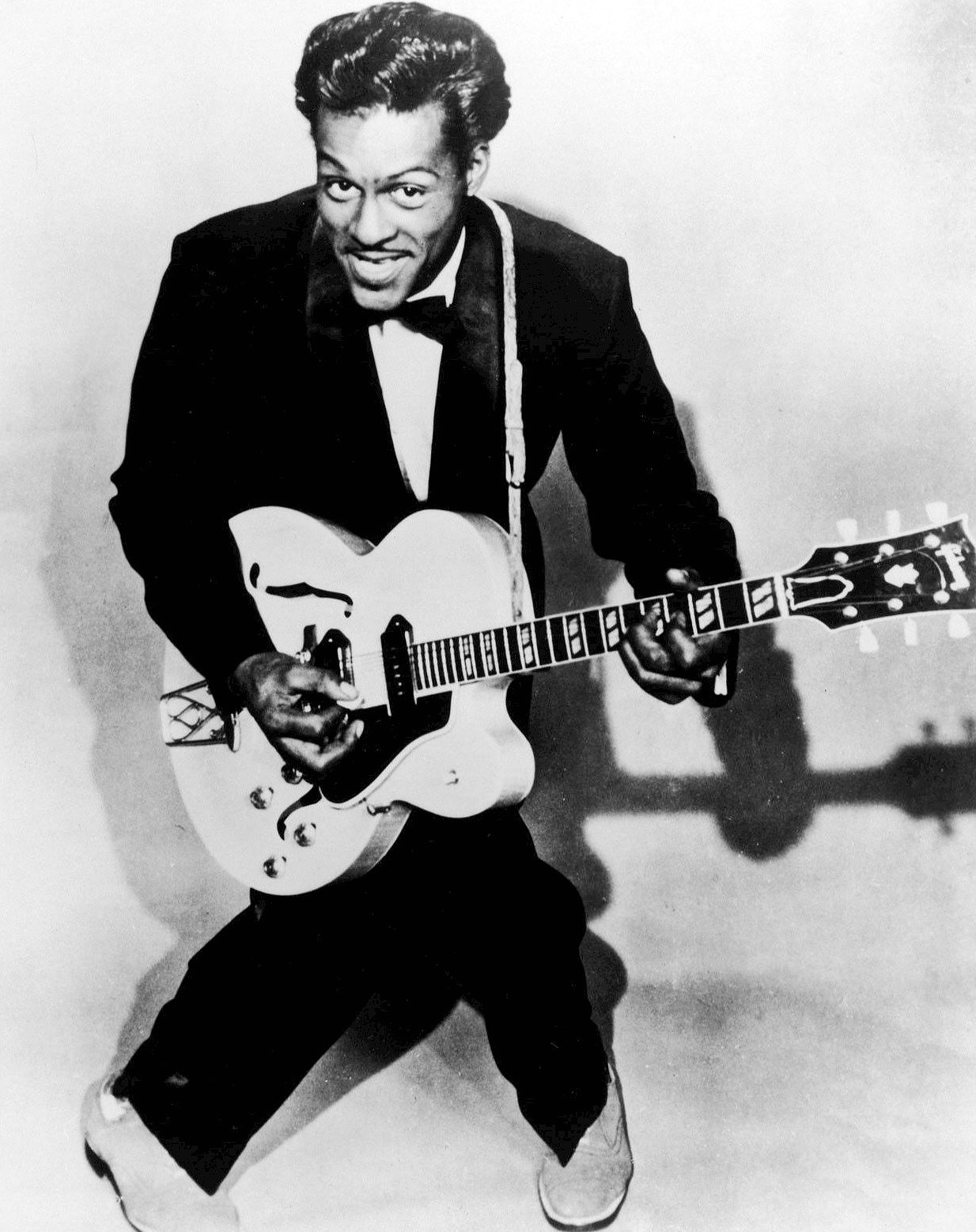
Chuck Berry1950s · Rock and roll / Rhythm and blues
Before the Eagles had original songs, they had Chuck Berry: at the band's first rehearsal, guitarist Bernie Leadon remembers, "we didn't have any songs so we were mostly jamming on things like Chuck Berry songs," and their pre-fame club sets in Colorado ran on his riffs until British producer Glyn Johns complained he "didn't want to hear us squashing out Chuck Berry licks." Don Henley later put it plainly: Frey "became an avid student of the rhythm-guitar style of Chuck Berry," placing him just behind Keith Richards among the guitarists who'd absorbed Berry's chunky, funky downstroke attack.
listen: upstream & heresource: Rolling Stone — Eagles' Complete Discography ↗
1958
Johnny B. GoodeChuck Berry
1974
Already GoneEagles
listen forPlay "Johnny B. Goode" and then the Eagles' "Already Gone": under Berry's ringing lead sits a steady, chugging downstroke rhythm guitar that never lets the beat sag, the same chunky attack Henley singled out in Frey's own playing. On "Already Gone," that rhythm part punches every beat right up front in the mix, driving the song forward under the vocal rather than decorating it, the bar-band Chuck Berry habit turned into a studio single.
Bob Seger1970s-80s · Rock / Heartland rock / Roots rock
Bob Seger met a teenage Glenn Frey in Detroit in the late 1960s. "Glenn was like the kid brother I never had," Seger said; he produced Frey's first single with his band the Mushrooms and coached him through vocal harmonies, and Frey later sang the wailing lead-off line on Seger's breakout single "Ramblin' Gamblin' Man." A decade later, jamming at Frey's house, Seger "blurted out" the chorus of "Heartache Tonight," earning a writing credit on what became the Eagles' final number-one single.
listen: upstream & heresource: Rolling Stone — Eagles' Complete Discography ↗
1968
Ramblin' Gamblin' ManBob Seger
1979
Heartache TonightEagles
listen forListen to how Seger just wails the title line of "Ramblin' Gamblin' Man" above the band, more shout than sung note, then hear that same all-in, hollered hook driving the Eagles' "Heartache Tonight," the chorus Seger sang into being in a living-room jam. Both tracks trade smooth phrasing for a raw, unison-shout hook that's the loudest, least polished thing on either record.
Gram Parsons1970s · Country rock / Cosmic American music / Country
Founding guitarist Bernie Leadon came to the Eagles straight out of Gram Parsons's Flying Burrito Brothers, the band that spent 1969 fusing country balladry to rock instrumentation, a template Leadon carried into the new group's DNA. When Parsons died of an overdose in 1973, so did Crazy Horse guitarist Danny Whitten; Don Henley says Frey wrote "Good Day in Hell" in response, calling it "Glenn's little tribute to Danny Whitten and Gram Parsons," a eulogy dressed up as a rocker, mourning what the music business cost its casualties.
listen: upstream & heresource: Rolling Stone — Eagles' Complete Discography ↗
1969
Sin CityGram Parsons
1974
Good Day in HellEagles
listen forSet the Flying Burrito Brothers' "Sin City," with Gram Parsons on lead vocal and Leadon on guitar, beside "Good Day in Hell" and hear the same mournful pedal-steel coloring laid under a rock backbeat, a country ballad's ache refusing to slow down. Leadon carried that weary, close-harmony lament over corruption straight from the Burritos' session into the Eagles, just sped up and toughened into their own rock and roll idiom.