walking upstream…
Bob Seger


sourcesWikipedia2 · SegerFile.com · Detroit Free Press · Rolling Stone
Bob Seger grew up in Ann Arbor, Michigan, the son of a Ford Motor Company medical technician who kept a ukulele in the house and music always playing. He fronted scrappy Detroit-area garage bands through the mid-1960s, then spent nearly a decade as a regional phenomenon — a killer live draw whose records rarely traveled beyond the Midwest — before 1976's breakthrough live album 'Live Bullet' and the studio set 'Night Moves' turned raspy, hard-won nostalgia into a national sound. With the Silver Bullet Band behind him, Seger became heartland rock's plainspoken poet laureate, singing about strip-mall Michigan, long-haul truckers, and small-town yearning with the same gravel-voiced conviction he'd once used to shout soul covers in Ann Arbor bars. He retired from touring in 2019.
the sound in question
1976
Night MovesBob Seger
walk the tributaries ↓
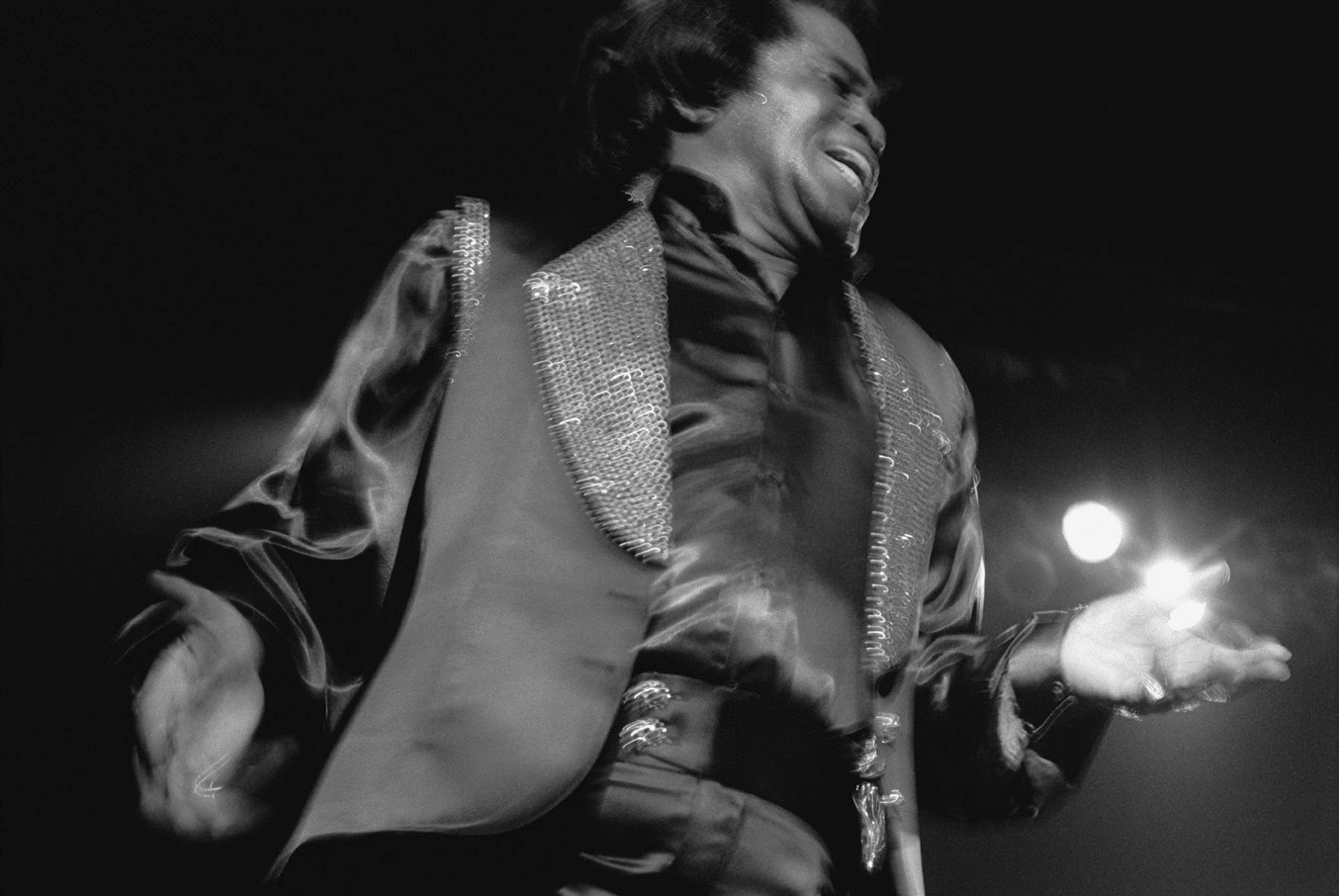
James Brown1960s–70s · Funk / Soul / Rhythm and blues
"James Brown was really the first major influence on me," Seger has said, recalling seeing him live as a teenager: "I was one of the few white people in the audience... We listened to people like Otis Redding... [We] went for the real primitive rhythm and blues... hard singing and soulful." 'Live at the Apollo' (1963) was, by his own account, his and his friends' favorite record of the era, and its horn-driven, sweat-soaked intensity became the template for his own earliest bar-band singles.
listen: upstream & here
1956
Please, Please, PleaseJames Brown
1967
Heavy Music (Pt. 1)Bob Seger
listen forCompare 'Please, Please, Please' with 'Heavy Music' — both ride a tight horn stab and a rhythm section that never lets up, while the vocal pleads and repeats itself past the point of politeness, building on pure conviction rather than melody.
Van Morrison1960s–70s · Celtic soul / R&B / Folk rock
Seger has described "a whole little clique of male vocalists" — himself, Springsteen, Frankie Miller, Graham Parker — who all trace "a connection with Van Morrison," crediting Morrison specifically for teaching him a kind of white R&B "sense of commitment." It wasn't just talk: Seger cut Morrison's 'I've Been Working' for 1973's 'Back in '72' and kept it in the set for years, and it became one of the most combustible moments on 1976's 'Live Bullet.'
listen: upstream & here
1970
I've Been WorkingVan Morrison
1976
I've Been Working (Live)Bob Seger
listen forPlay Morrison's 'I've Been Working' back to back with Seger's own live reading of the same song — the tight, horn-punched vamp and the way both singers push the repeated hook harder each time through, testifying rather than just performing it.
Little Richard1950s · Rock and roll / Rhythm and blues / Gospel
Asked point-blank about his earliest influences, Seger didn't hedge: "Little Richard – he was the first one that really got to me. Little Richard and, of course, Elvis Presley." That early jolt shows up less as a specific lick than as a whole vocal posture — the willingness to just shout a lyric flat-out, holding nothing back, over a piano-and-guitar band pushing as hard as it can.
listen: upstream & here
1955
Tutti FruttiLittle Richard
1968
Ramblin' Gamblin' ManBob Seger
listen forSet 'Tutti Frutti' next to 'Ramblin' Gamblin' Man' — both open at a dead sprint, every syllable barked rather than sung, the band chasing the vocal instead of the other way around.