walking upstream…
Van Morrison

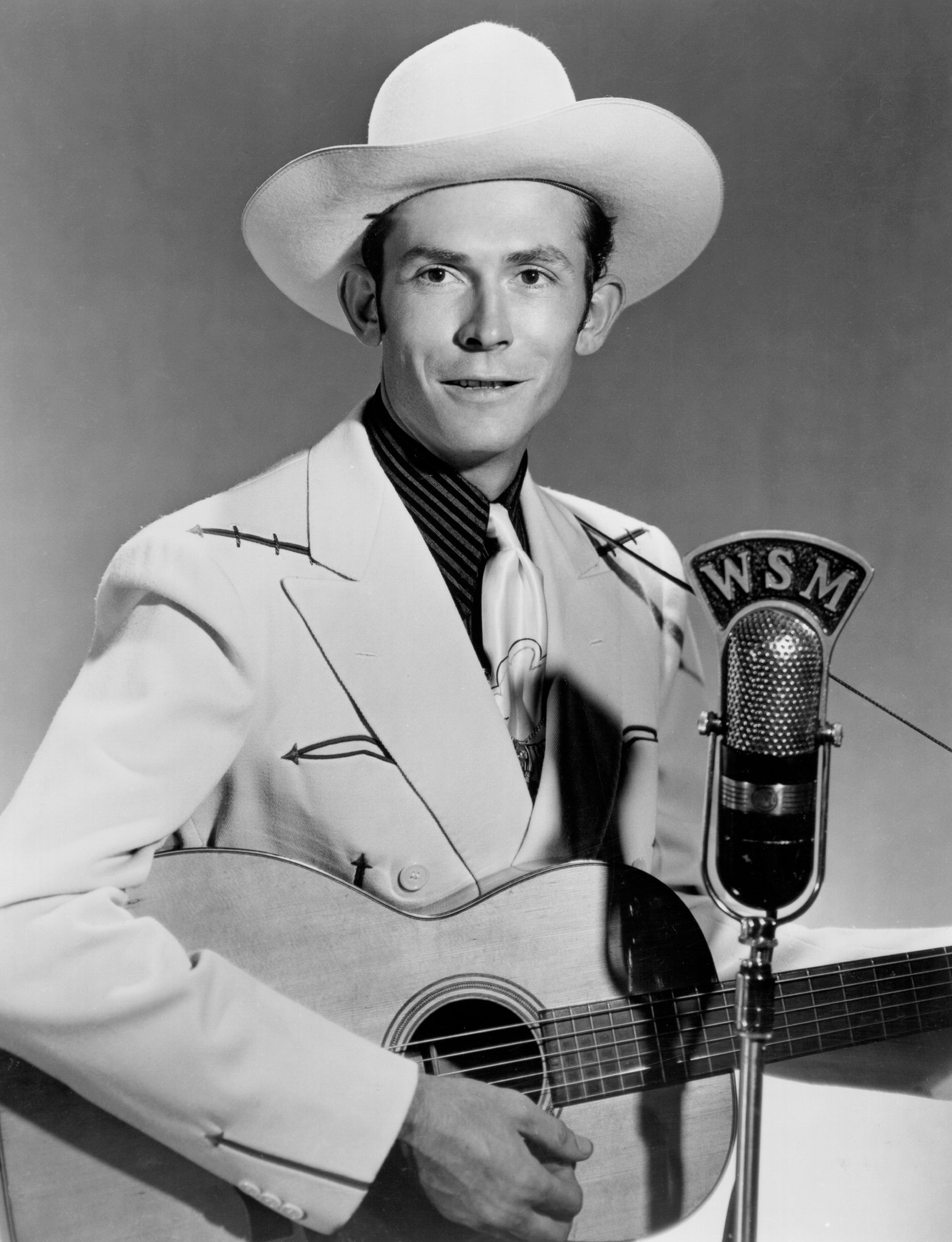

 photo: bengt oberger · cc by-sa 4.0 ↗
Van Morrison
sourcesWikipedia — Van Morrison (father's record collection, "Ray and Solomon" quote, Genius Loves Company duet) · Patrick Maginty — Quiet Days · Caught by the River — Cyprus Avenue, Van Morrison (independent corroboration of the "mansion on the hill" reference) · Wikipedia — The Skiffle Sessions · Van Morrison official site — Biography (father's record collection, early bands, forming Them)
Van Morrison's father was a shipyard electrician in postwar Belfast who'd worked a stretch in Detroit and come home with one of the largest record collections in Northern Ireland. The boy grew up inside it — Jelly Roll Morton, Ray Charles, Lead Belly, Sonny Terry and Brownie McGhee, Solomon Burke — and it never let go of him. "If it weren't for guys like Ray and Solomon," he said later, "I wouldn't be where I am today. Those guys were the inspiration that got me going." He was gigging as a traveling musician by thirteen, singing and playing guitar and sax in Belfast showbands, before forming Them at the Maritime Club in 1964. The American records his father had shipped home from Detroit became the deepest layer of everything Morrison recorded after — blues testifying as gospel, gospel testifying as blues.
the sound in question
1967
Brown Eyed GirlVan Morrison
walk the tributaries ↓
Lead Belly1930s–40s · Country blues / American folk / Songster
Lead Belly's records were in the stack Morrison's father brought back from Detroit, and by his own account Van was singing the songs before he'd even heard of skiffle. "I was singing Leadbelly songs," he told Rolling Stone, "and my father and uncle used to play harmonica." He made the debt literal decades later: performing alongside the skiffle pioneers Lonnie Donegan and Chris Barber around the release of his 2000 tribute album The Skiffle Sessions, Morrison sang Lead Belly's own "Goodnight Irene" onstage, the record he'd grown up with turned into a live handshake across seventy years.
listen: upstream & heresource: Grammy.com — Living Legends ↗
1943
Goodnight IreneLead Belly
1999
Goodnight IreneVan Morrison
listen forLead Belly's 1943 "Goodnight Irene" carries its ache in a spare twelve-string strum and a voice that barely raises above a murmur. Listen for how Morrison's live version with Donegan and Barber keeps that same unhurried phrasing intact rather than dressing it up — the melody arrives almost exactly as Lead Belly left it, a rare case where the influence isn't reworked but simply carried forward.
Hank Williams1940s-50s · Country / Honky-tonk
Morrison first heard Hank Williams at a neighbor's Sunday-afternoon jam sessions on Belfast's Hyndford Street, where somebody always knew every word to Hank's hits. Something in that rawness stuck: Morrison has since recorded some nine Hank Williams songs, more than any other writer in his catalog, and he lumped Hank in with the blues singers rather than the country ones. "He was a voice," Morrison said. "Muddy Waters was a voice. They were both blues singers to me." The clearest debt is quieter than any cover: on "Cyprus Avenue," Morrison sings of going "crazy before that mansion on the hill," lifting Hank's 1948 title whole into his own Belfast street.
listen: upstream & heresource: Rolling Stone — The Rolling Stone Interview (Leadbelly childhood, Hank Williams/Muddy Waters as "blues singers") ↗
1948
A Mansion on the HillHank Williams
1968
Cyprus AvenueVan Morrison
listen forHank Williams's "A Mansion on the Hill" sets its heartbreak against a plain waltz-time shuffle, the steel guitar doing the crying the voice won't. "Cyprus Avenue" borrows the phrase but not the tempo — Morrison stretches the same image over a loose, almost formless band arrangement, his voice trailing off mid-line and circling back, turning Hank's tight three-minute lament into something closer to a fever dream.
Ray Charles1950s–60s · Soul / R&B / Gospel
Of everyone in his father's record collection, Morrison singled out Ray Charles by name as the artist who mattered most. "If it weren't for guys like Ray and Solomon," he said, naming Charles and the singer Solomon Burke, "I wouldn't be where I am today. Those guys were the inspiration that got me going." What Morrison took from Charles wasn't a lyric but a method: singing gospel fervor into secular subjects until the line between the two disappeared, a trick he'd chase for decades. The two eventually met as equals — in 2004, Charles invited Morrison to duet on "Crazy Love" for his album Genius Loves Company.
listen: upstream & here
1959
What'd I SayRay Charles
1964
GloriaVan Morrison
listen forRay Charles's 1959 "What'd I Say" turns a call-and-response gospel exchange into something openly carnal, his voice climbing into moans the congregation never sanctioned. Them's 1964 "Gloria," cut with a teenage Morrison singing lead, works the same trick on a cruder budget — a shouted vocal riding a driving three-chord vamp, the band answering his lines rather than backing them. The connection here is closer to shared instinct than direct copying, the rawest of Morrison's three influences to pin down.