walking upstream…
Sam Cooke


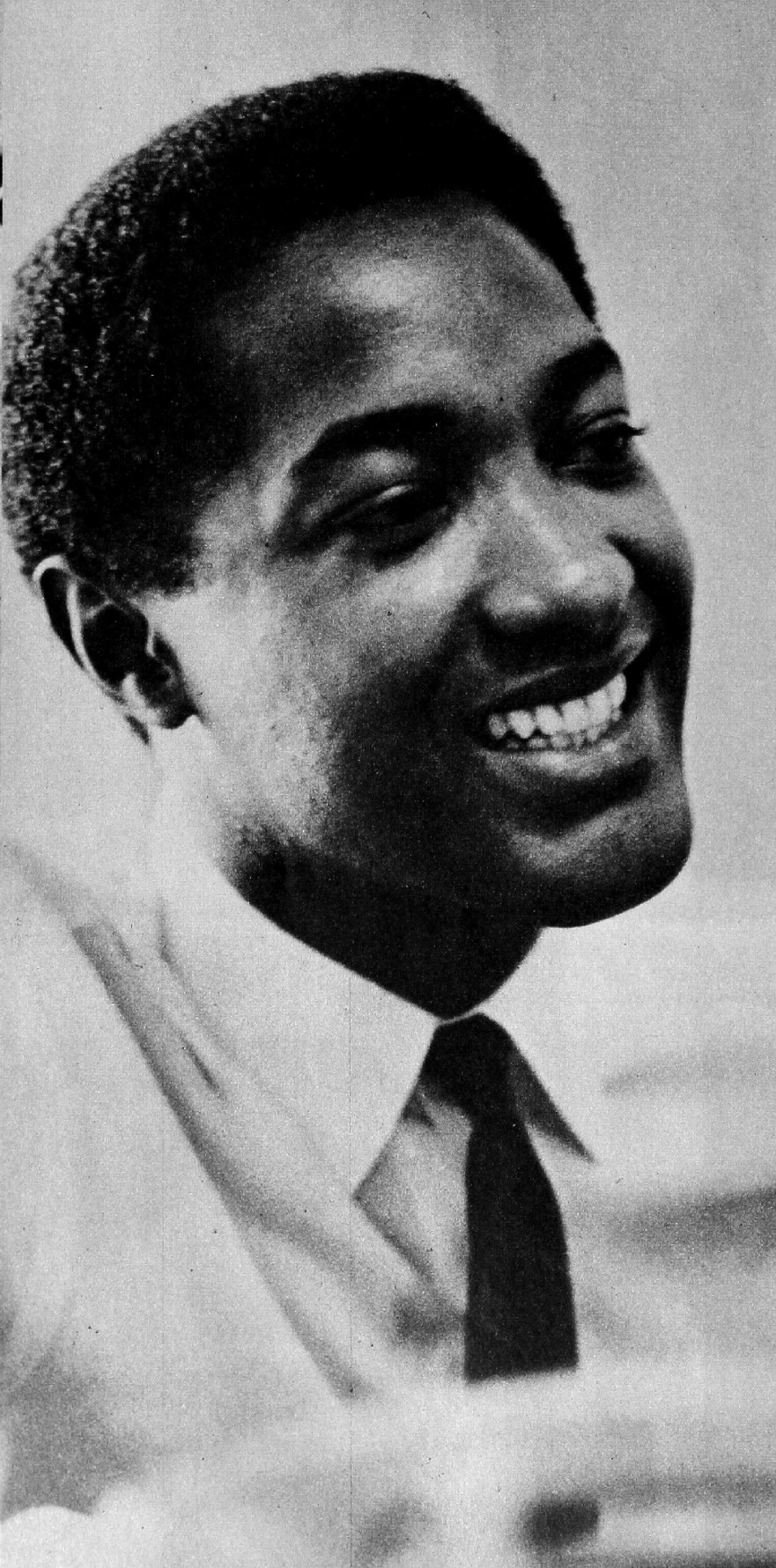
Sam Cooke was born in Clarksdale, Mississippi in 1931 and raised in Chicago as a preacher's son, singing in church before he became lead vocalist of the celebrated gospel quartet the Soul Stirrers in 1950, stepping in for the group's revered stylist R.H. Harris. In 1957 he crossed over to secular pop with 'You Send Me,' scandalizing parts of the gospel world but launching one of the defining careers in American music, and over the next seven years he strung together hits like 'Wonderful World,' 'Chain Gang,' 'Cupid,' and 'Bring It On Home to Me' while building his own label and publishing company. His late anthem 'A Change Is Gonna Come,' released after his death in Los Angeles in 1964, fused gospel gravity with orchestral pop and became a civil-rights touchstone. Widely called the 'King of Soul,' Cooke is remembered for translating the phrasing and fervor of Black gospel into a smooth, crossover pop voice that helped shape soul music.
the sound in question
1957
You Send MeSam Cooke
walk the tributaries ↓
Soul Stirrers1940s–50s · Gospel / Jubilee quartet / Gospel quartet
Cooke came up as the lead voice of the Soul Stirrers, the hard-gospel quartet he joined in 1950 after replacing R.H. Harris, whom he called his major stylistic influence; biographers credit Harris and the group with teaching him the swing-lead trades, ad-libbed melisma, and call-and-response with a background quartet that he carried intact into his secular records.
listen: upstream & heresource: Wikipedia ↗
1951
Jesus Gave Me WaterSoul Stirrers
1962
Bring It On Home to MeSam Cooke
listen forPut the Soul Stirrers' 'Jesus Gave Me Water' next to 'Bring It On Home to Me' — the same buoyant, vowel-stretching lead floats over a warm background chorus that answers each phrase, the gospel call-and-response reframed as a secular back-and-forth.
Nat King Cole1940s–50s · Traditional pop / Jazz / Vocal jazz
As Cooke moved into pop, he and his handlers consciously modeled his crossover on Nat King Cole — another Black artist who had left a specialized field for smooth, string-backed mainstream ballads — chasing Cole's crisp diction, restraint, and easy warmth as a way to reach a white audience without shedding his identity.
listen: upstream & here
1950
Mona LisaNat King Cole
1960
Wonderful WorldSam Cooke
listen forPlay Cole's 'Mona Lisa' before 'Wonderful World' — both wrap a light, conversational lead in soft orchestral pop, the singer underplaying the melody with clear diction and unhurried phrasing so charm rather than force carries the song.
Mahalia Jackson1950s · Gospel / Spiritual
Cooke was formed in the same Chicago gospel world as Mahalia Jackson, the era's most celebrated gospel singer, and her big, church-rooted contralto and habit of wringing feeling from long, bent notes model the kind of emotional gravity he reached for on his most serious material.
listen: upstream & here
1947
Move On Up a Little HigherMahalia Jackson
1964
A Change Is Gonna ComeSam Cooke
listen forSet Jackson's 'Move On Up a Little Higher' beside 'A Change Is Gonna Come' — both build slowly and let a single voice swell and hold, leaning into blue, sliding notes so the hope reads as hard-won rather than sweet.