walking upstream…
Journey



Formed in San Francisco in 1973 by guitarist Neal Schon and keyboardist Gregg Rolie straight out of Santana's band, Journey spent its first years as an ambitious jazz-fusion outfit before singer Steve Perry's 1977 arrival reoriented the group toward the soaring, hook-driven arena rock that made "Don't Stop Believin'" a generational anthem. Across five decades and multiple lineups, the band has stayed a byword for widescreen choruses, extended guitar solos, and unabashed emotional payoff.
the sound in question
1981
Don't Stop Believin'Journey
walk the tributaries ↓
Carlos Santana1970s · Rock / Latin rock / Blues rock
Schon and Rolie didn't pick up Santana's sound secondhand — they helped build it, playing in Carlos Santana's band before striking out on their own in 1973 under the same manager, Herbie Herbert, who assembled Journey specifically out of that Bay Area scene. Schon has separately named Santana among the guitarists who shaped his own playing.
listen: upstream & here
1970
Black Magic WomanCarlos Santana
1975
Of a LifetimeJourney
listen forThe extended, Latin-tinged instrumental jamming and long, singing guitar tone Santana rides through 'Black Magic Woman' carries straight into early, pre-Perry Journey's fusion-heavy debut — listen for that same loose, exploratory interplay between guitar and organ on 'Of a Lifetime.'
Sam Cooke1960s · Soul / R&B / Gospel
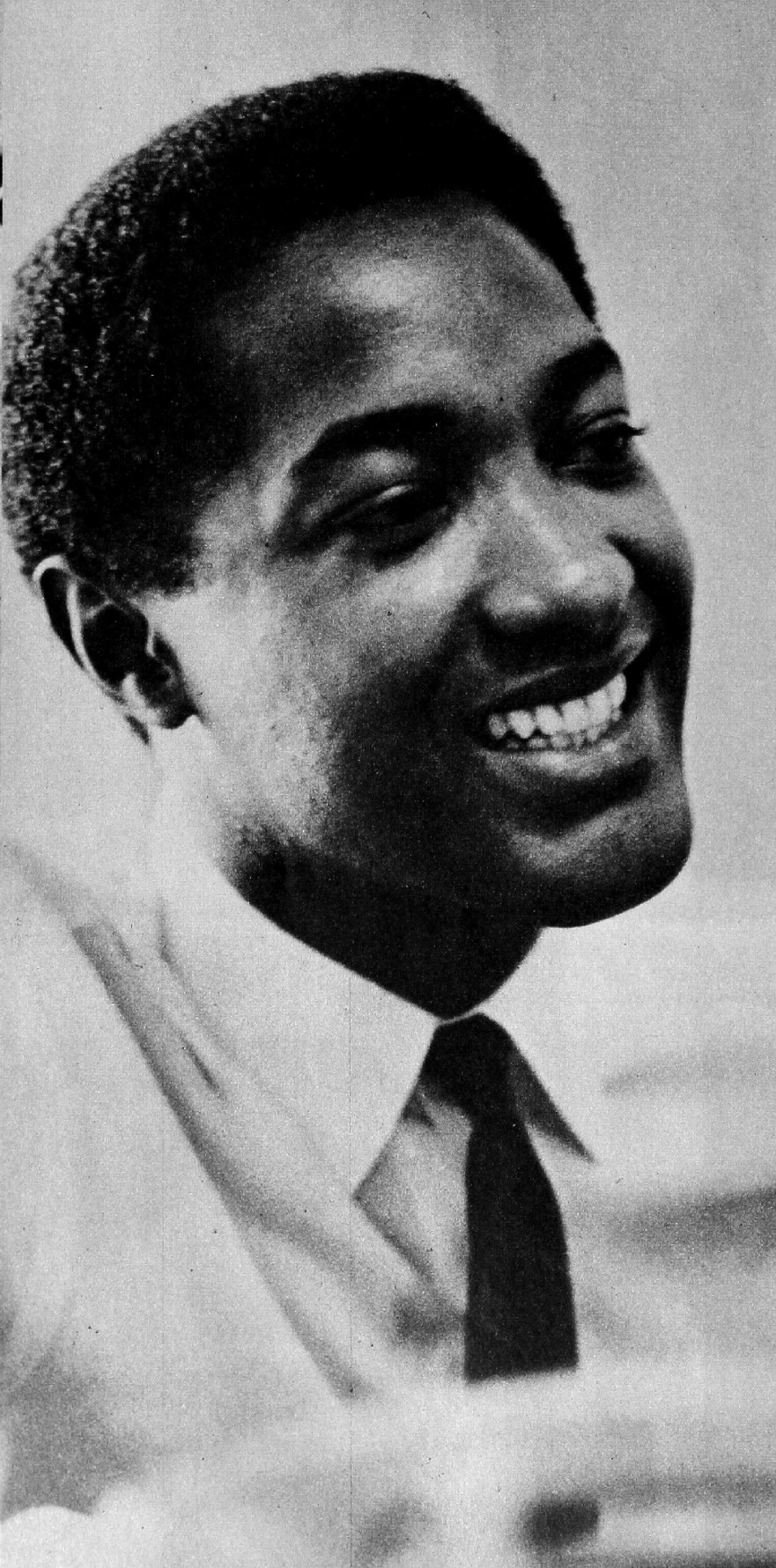
Steve Perry has said hearing Sam Cooke's 'Cupid' on his mother's car radio as a child was the moment he decided to become a singer — the root of the smooth, melismatic tenor he'd bring to Journey's biggest ballads once he joined in 1977.
listen: upstream & heresource: Rolling Stone — Steve Perry on the five songs that inspired him, incl. Sam Cooke's ‘Cupid’ ↗
1961
CupidSam Cooke
1982
Open ArmsJourney
listen forCooke's easy, gospel-rooted melisma and held notes on 'Cupid' are the clear ancestor of Perry's phrasing on 'Open Arms' — listen for the same unhurried vibrato and vocal runs riding over a simple, steady arrangement.
Led Zeppelin1970s · Hard rock / Blues rock
Schon has repeatedly listed Jimmy Page among the guitarists of his own era who shaped him most, alongside Hendrix, Beck, and Clapton — the generation that turned the electric guitar solo into a dramatic set piece, a habit Journey's arena-rock years leaned on hard.
listen: upstream & here
1971
Stairway to HeavenLed Zeppelin
1981
Stone in LoveJourney
listen forPage's long-form solo on 'Stairway to Heaven' builds from spare picking into a sustained, vocal-toned climax; Schon's solo on 'Stone in Love' works the same trick — patient build, then a sustained, singing release — compressed to pop-song length.