walking upstream…
Led Zeppelin
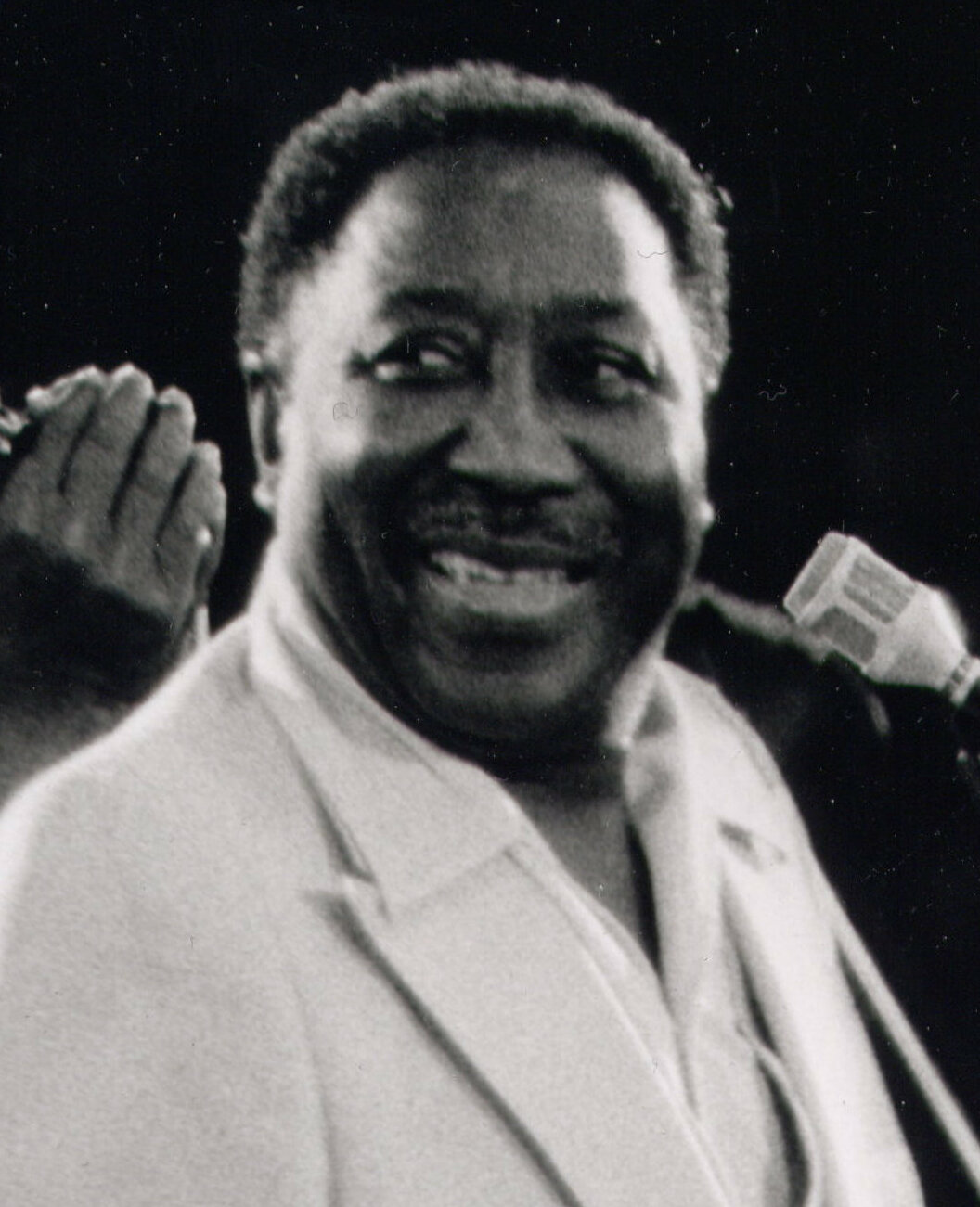

 photo: atlantic records · public domain ↗
Led Zeppelin
sourcesNPR — Led Zeppelin's Blues Roots (biographer Stephen Davis on 'You Need Love' becoming 'Whole Lotta Love') · Louder — How Led Zeppelin plundered music's past (Page's 'sons of Howlin' Wolf' quote; the Killing Floor/Lemon Song credit; the October 1968 debut medley) · Medium/Cuepoint — When Page Met Plant, by Martin Power (the Pangbourne meeting and the records Plant brought)
In July 1968, session guitarist Jimmy Page — patching together what was left of the Yardbirds — went to see a singer named Robert Plant perform at a teachers' college in Walsall, then brought him home to Pangbourne to trade records: Howlin' Wolf's rocking-chair album, Robert Johnson on Philips, Joan Baez. Within months they had a drummer, a name, and a plan Page later put plainly: "It was very intentional what the first album was gonna be. There was gonna be a definite showcase of the blues." Led Zeppelin kept that promise across four records, rebuilding Chicago and Delta blues at stadium volume — riffs and lyrics carried over so directly that Arc Music and Willie Dixon each sued, and each eventually won belated songwriting credit. The theft was the method: blues turned, under sustained voltage, into hard rock's founding vocabulary.
the sound in question
1971
Stairway to HeavenLed Zeppelin
walk the tributaries ↓
Muddy Waters1950s · Chicago blues / Electric blues / Delta blues
Page names Muddy Waters in the same breath as Howlin' Wolf when he describes what Zeppelin was chasing: "it's the atmosphere and it's the attitude that's created on something like Muddy Waters' 'Standing Around Crying.'" The habit went further than atmosphere. "Whole Lotta Love" lifts its vocal hook and cadence from Waters' "You Need Love," recorded when Willie Dixon still owned the songwriting credit himself; Dixon sued in 1985, and only in 1999 — sixteen years after Zeppelin's first pressing — did his name finally appear on the label.
listen: upstream & heresource: Guitar Player — Jimmy Page on the blues that built Led Zeppelin (Howlin' Wolf/Muddy Waters quote; the debut-album blues-showcase quote) ↗
1962
You Need LoveMuddy Waters
1969
Whole Lotta LoveLed Zeppelin
listen forPlay Waters' "You Need Love" first: the hook rides low and unhurried over a shuffling backbeat, Waters half-speaking the come-on line by line. "Whole Lotta Love" keeps that exact vocal phrasing and the boast underneath it, then detonates the arrangement — the same words now shouted over a fuzzed, one-note riff, with a psychedelic breakdown of theremin and backwards echo where Waters' band would have just kept the groove going. The words didn't change; the voltage did.
Howlin' Wolf1950s–60s · Chicago blues / Electric blues / Delta blues
"I've often thought that in the same way the Stones tried to be the sons of Chuck Berry, we tried to be the sons of Howlin' Wolf," Page has said — and Zeppelin's first gig as a band, a blues medley at Surrey University in October 1968, opened with Wolf's "Killing Floor." By 1969 they'd built "The Lemon Song" around its groove and lyrics without asking; Arc Music, which held Wolf's publishing, sued in 1972, and the settlement finally put Chester Burnett's name on the songwriting credit.
listen: upstream & heresource: Guitar Player — Jimmy Page on the blues that built Led Zeppelin (Howlin' Wolf/Muddy Waters quote; the debut-album blues-showcase quote) ↗
1964
Killing FloorHowlin' Wolf
1969
The Lemon SongLed Zeppelin
listen forWolf's "Killing Floor" stalks rather than rocks — a tight, minor-key shuffle where the menace sits in the pocket, not the volume. "The Lemon Song" takes that same predatory groove and lets it sprawl: John Paul Jones's bassline tracks Wolf's original riff almost note for note under Page's guitar, while Plant stretches Wolf's clipped lines into a long, howled complaint. The shuffle is still there underneath; it's just been given room to attack.
Robert Johnson1930s · Delta blues / Blues
Robert Plant brought Johnson's Philips compilation to Page's home the night they first played records together in 1968 — alongside Howlin' Wolf and Joan Baez LPs — and Plant later called Johnson "the musician to whom we all owed our existence, in some way." That debt surfaced almost immediately: Zeppelin's October 1968 debut medley worked in the line "squeeze my lemon till the juice runs down my leg" from Johnson's "Travelling Riverside Blues," and by June 1969 the band was covering the song outright for the BBC.
listen: upstream & heresource: Far Out Magazine — Every Led Zeppelin song based on a Robert Johnson composition (Plant's 'existence' quote; the Travelling Riverside Blues BBC cover) ↗
1937
Travelling Riverside BluesRobert Johnson
1969
Travelling Riverside BluesLed Zeppelin
listen forJohnson's "Travelling Riverside Blues" is just one guitar and one voice, the lemon line delivered almost conversationally between slide runs. Zeppelin's BBC version — cut for John Peel's Top Gear and later released on the Boxed Set — keeps Johnson's lyric nearly word for word but hands it to a full electric band, Page answering Plant's vocal with slide runs of his own where Johnson's guitar alone had carried the joke. The phrase survives the trip from a solo blues guitar to a full electric band without losing its wink.