walking upstream…
Diamond Head
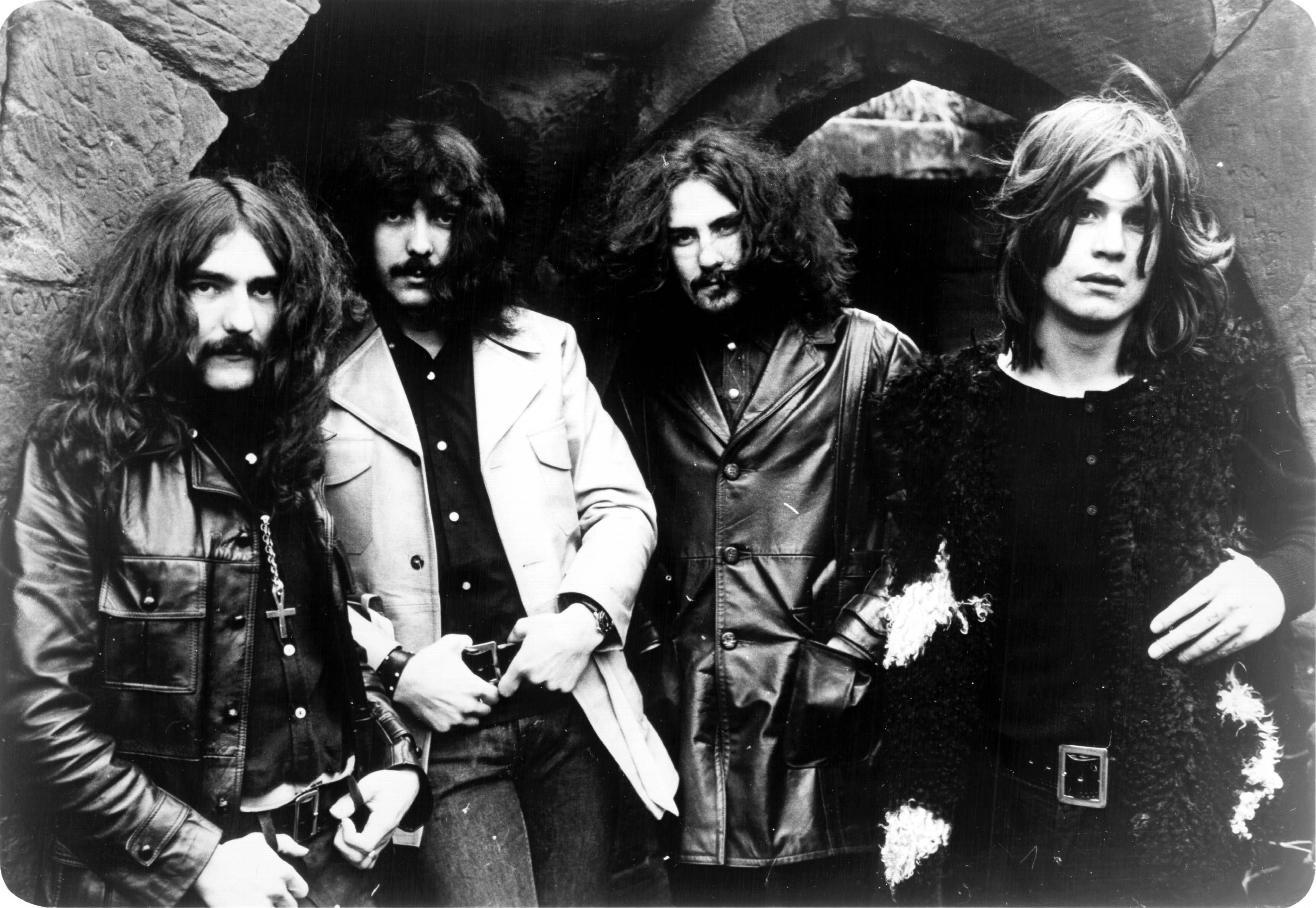

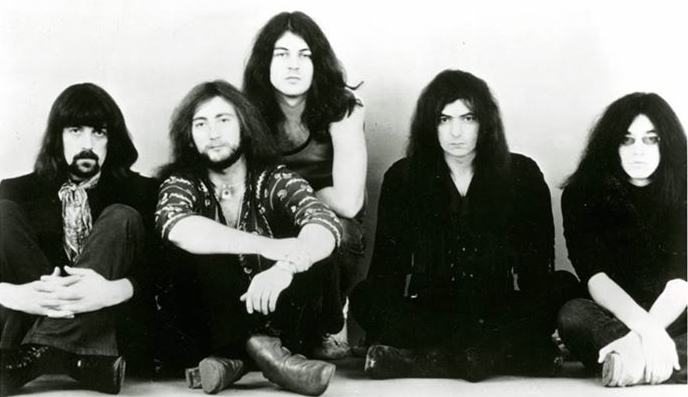
 photo: selbymay · cc by-sa 4.0 ↗
Diamond Head
sourcesClassic Rock (via Louder) — "Am I Evil? by Diamond Head · It's Psychedelic Baby Magazine — "Diamond Head | Interview | 'Am I Evil?'" (Tatler on Ritchie Blackmore, Highway Star, and his teenage record collection) · BallBuster — "Ready To Strike? Interview With Diamond Head Vocalist Sean Harris" (Harris on the classic British bands that inspired the group) · Wikipedia — "Diamond Head (British band)" (lead/overview facts)
Diamond Head formed in Stourbridge, in England's West Midlands, in 1976, when teenage guitarist Brian Tatler and singer Sean Harris turned a shared record collection into a band. Unable to afford a printed sleeve, they pressed their self-financed 1980 debut, Lightning to the Nations, in blank white covers — fans still call it "the White Album" — and built its riffs from the records stacked in Tatler's bedroom: Led Zeppelin, Black Sabbath, Deep Purple. Metallica's Lars Ulrich crossed an ocean to see them play live and later covered four of their songs, but Diamond Head's own sound was forged earlier and closer to home, in one teenager's hunt for a riff heavier than anything his heroes had already written.
the sound in question
1980
Am I Evil?Diamond Head
walk the tributaries ↓
Black Sabbath1970s · Heavy metal / Hard rock
By his own account, Brian Tatler built Diamond Head's most famous riff as a direct challenge to a record already in his collection. "I can remember wanting to write a song heavier than Black Sabbath's Symptom Of The Universe," he told Classic Rock in 2007. "So when I came up with that riff, I think we all said: 'That's good. We should work on that.'" He spent eighteen months adding to it — a fast section, then an intro borrowed from Gustav Holst's orchestral suite The Planets — until the one-upmanship became "Am I Evil?"
listen: upstream & here
1975
Symptom of the UniverseBlack Sabbath
1980
Am I Evil?Diamond Head
listen forCue Sabbath's "Symptom of the Universe" at its verse riff, a fast, palm-muted gallop some critics call an early blueprint for thrash metal, then drop into "Am I Evil?" once its Holst-borrowed intro clears: the same choppy, driving attack, pushed harder and faster — the exact outcome Tatler was chasing when he set out to write something heavier than the song in his headphones.
Led Zeppelin1970s · Hard rock / Blues rock
Critics tagged Diamond Head "the natural successors to Led Zeppelin" almost from the start, and the label stuck for decades. "We were labelled 'the new Led Zeppelin'. I mean, wow! But it was a blessing and a curse. There could never be another Led Zeppelin just like there could never be another Beatles," Tatler said later. Harris put the underlying debt more plainly: "Our inspirations starting out, like Led Zeppelin, we thought they were quite wide ranging in what they tried to do."
listen: upstream & heresource: MusicRadar — "'We were labelled the new Led Zeppelin...'" (band history, Tatler on Blackmore and being called "the new Led Zeppelin," the Kashmir/To The Devil His Due comparison) ↗
1975
KashmirLed Zeppelin
1983
To the Devil His DueDiamond Head
listen forDrop the needle on "Kashmir" for its orchestral swell locked to one hypnotic riff across eight-plus minutes, then play "To the Devil His Due," the 1983 Canterbury track a MusicRadar critic said carried "the pomp of Zeppelin's Kashmir": the same slow-built, string-swollen grandeur laid over a driving metal pulse — Diamond Head reaching for Zeppelin's scale rather than its riffs.
Deep Purple1970s · Hard rock / Heavy metal / Progressive rock
Tatler traces his decision to actually learn guitar to one specific record. "The main influence on me wanting to learn and get good was Ritchie Blackmore," he said in 2023. "I wanted to be able to play the guitar solo from 'Highway Star' but it's a very difficult solo to copy for a beginner." He never matched Blackmore's technique — by his own admission he became a riff-writer rather than a lead player — but the ambition stuck, and it shows in Diamond Head's own extended solo showcases.
listen: upstream & here
1972
Highway StarDeep Purple
1980
HelplessDiamond Head
listen forPlay the solo break in "Highway Star," the fast, unbroken run that a teenage Tatler set out to copy and couldn't, then put on Diamond Head's "Helpless," where the guitar is given the same kind of open lane to build speed before the band snaps back to the riff. Tatler never got Blackmore's fluency; what he kept was Blackmore's instinct to let a solo take over the song.