walking upstream…
Black Sabbath
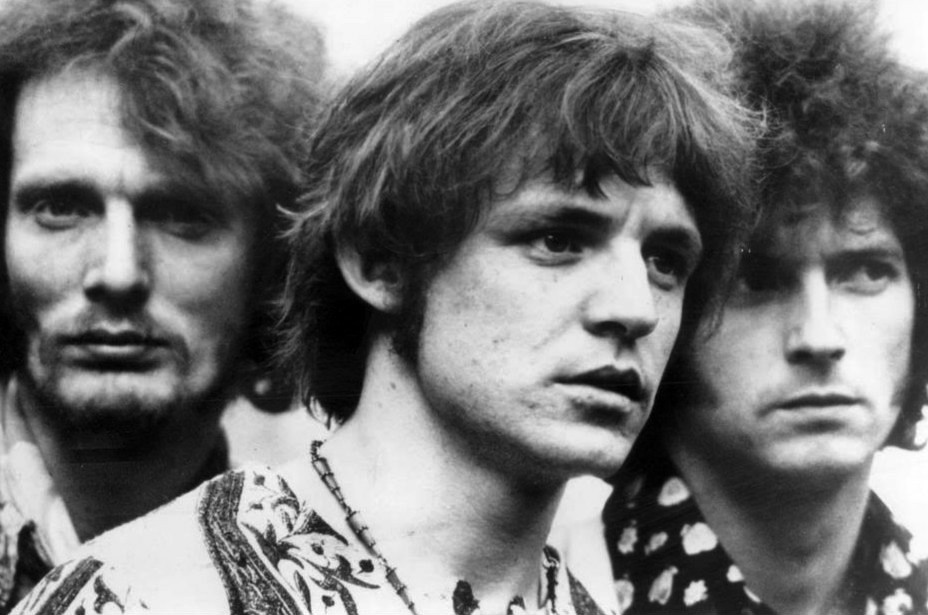
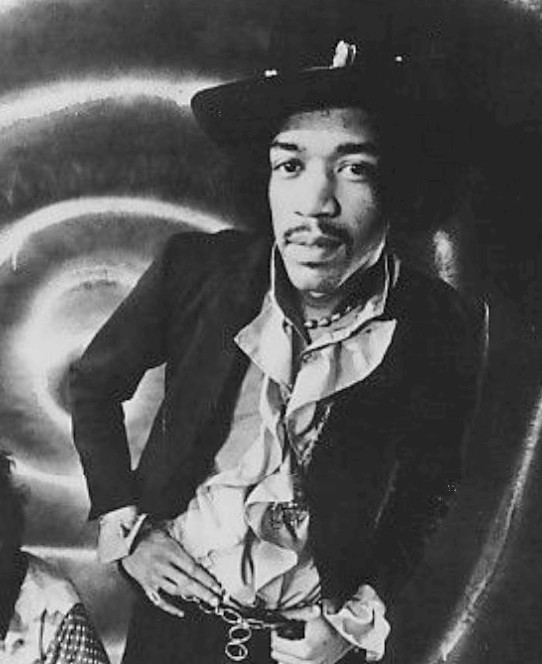

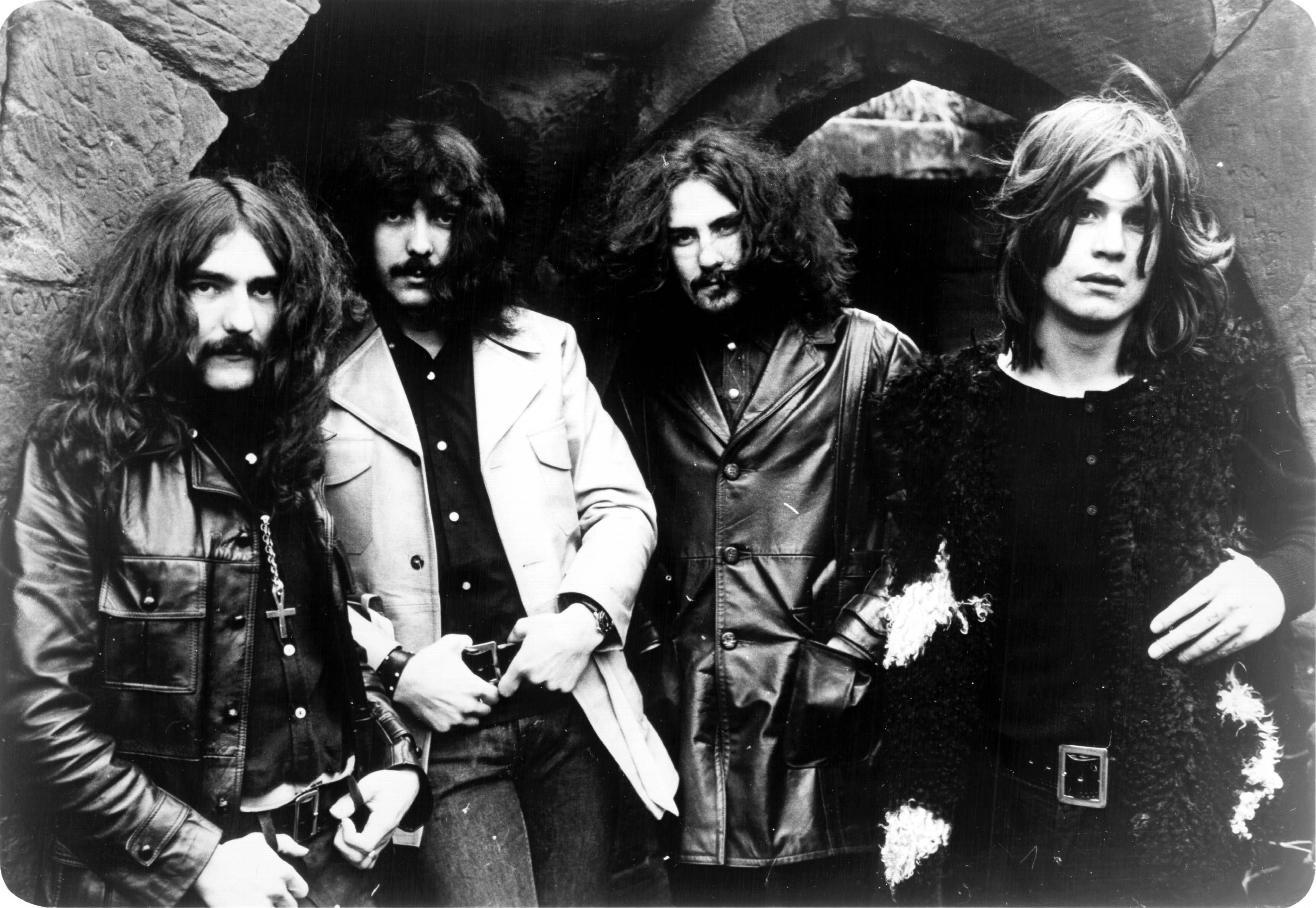 photo: warner bros. records · public domain ↗
Black Sabbath
Black Sabbath formed in Birmingham, England, in 1968, when guitarist Tony Iommi, bassist Geezer Butler, drummer Bill Ward, and singer Ozzy Osbourne — first the Polka Tulk Blues Band, then Earth — looked for any way out of factory work. Iommi nearly didn't get one: on his last shift at a sheet-metal plant, "they put me on this giant, huge press — a guillotine-type press... Bang! It came down. It just took the ends off my fingers." He taught himself to play again, chasing the example of two-fingered gypsy-jazz guitarist Django Reinhardt. Ward grew up on big-band jazz, Butler on rock iconoclast Frank Zappa, Osbourne on soul duo Sam and Dave. When a horror-film crowd near their rehearsal space gave them an idea — scary music, for people who paid to be scared — they took the name of the song it produced, and heavy metal had its first blueprint.
the sound in question
1970
Black SabbathBlack Sabbath
walk the tributaries ↓
Cream1960s · Blues rock / Psychedelic rock
Geezer Butler went to see Cream — guitarist Eric Clapton, bassist Jack Bruce, drummer Ginger Baker — three times when they played Birmingham, initially drawn by Clapton alone. "I went to see Cream mainly because of Clapton, not knowing much about Bruce and Baker," he said, "and though the whole band blew me away, I was mesmerized at Jack Bruce's playing." Bruce was working the bass like a second lead instrument, bending notes and running lines a rhythm guitarist would usually carry — Butler, still on six-string rhythm himself, went home and switched to four.
listen: upstream & heresource: Rolling Stone — Heavy Metal, Year One ↗
1967
Sunshine of Your LoveCream
1970
Iron ManBlack Sabbath
listen for"Sunshine of Your Love" runs on Bruce's descending riff doubled note for note by Clapton's guitar — bass and lead fused into a single voice instead of trading rhythm against melody. "Iron Man" asks the same trick of Butler and Iommi: that opening riff isn't a guitar line with bass filling space underneath it, it's one thick unison part, the exact arrangement Butler watched Bruce invent live in Birmingham a few years before.
The Jimi Hendrix Experience1960s · Rock / Blues rock / Psychedelic rock
Iommi named Hendrix his favorite guitarist outright, and the admiration ran both ways inside the band — Rolling Stone reported that he and Butler simply shared a love for Jimi Hendrix. What stuck with Iommi decades later wasn't the guitar work alone but the shock of watching it: Hendrix "came up with something at the time that got so much excitement in it, his style of playing, playing upside down," he said, "and just the aggression."
listen: upstream & heresource: Metalcastle — The 5 Guitarists That Tony Iommi Named His Favorites Of All Time (The Jimi Hendrix Experience) ↗
1967
Purple HazeThe Jimi Hendrix Experience
1970
ParanoidBlack Sabbath
listen for"Purple Haze" turns on a thick, fuzzed lead line that bends and screams rather than simply stating the melody — guitar used as texture, not just notes. The title track of Paranoid does the same job in a colder key: Iommi's tone is heavier and slower, but the solo still leans on that same sustained, distorted scream Hendrix pioneered, run through a rig built to survive two missing fingertips rather than show them off.
Led Zeppelin1970s · Hard rock / Blues rock
Asked in 2018 which bands he'd been chasing early on, Iommi didn't hesitate: "There was Zeppelin and Cream... That was sort of the way we went, only coming up with more doomy stuff." The two bands stayed close as they rose — during the 1975 Sabotage sessions, Zeppelin drummer John Bonham dropped by Morgan Studios and turned it into an impromptu jam with singer Robert Plant and bassist John Paul Jones. "We were friends with Zeppelin," Iommi said of the era, even as both bands pushed blues-rock toward something darker.
listen: upstream & heresource: Rock and Roll Garage — The 3 Famous Bands That Black Sabbath Listed As Influences (Led Zeppelin) ↗
1969
Whole Lotta LoveLed Zeppelin
1970
War PigsBlack Sabbath
listen for"Whole Lotta Love" gets its crushing weight from John Paul Jones doubling the guitar riff on bass an octave down, turning a lick into a wall of sound. "War Pigs" runs on the same physics: Butler's bass tracks Iommi's central riff in unison rather than filling space beneath it, so the tritone stab lands as a bass-driven thud instead of a thin treble whine.