walking upstream…
Dizzee Rascal
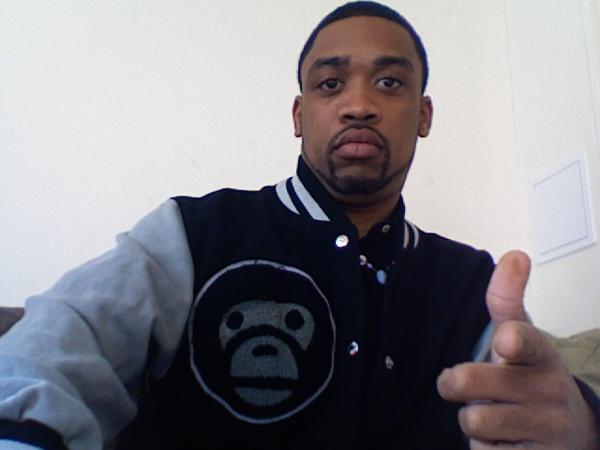


 photo: achim raschka · cc by-sa 4.0 ↗
Dizzee Rascal
sourcesClash Magazine — "Dizzee Rascal" feature (upbringing on the Lincoln estate; self-mythologizing claim to have originated grime) · Red Bull Music Academy Daily — "Interview · Telekom Electronic Beats — "Troll Deep · Complex — "Dizzee Rascal · GRM Daily — "Dizzee Rascal Talks 20 Years Of 'Boy In Da Corner'" (closeness with Wiley in the pre-fame Roll Deep years)
"I was really poor. I remember how I was treated before all this," Dizzee Rascal has said of growing up an only child on the Lincoln council estate in Bow, East London, expelled from four schools before one teacher, Tim Smith, sat him at a computer running the recording software Cubase and gave the restlessness somewhere to go. By his teens he was DJing jungle from his bedroom, then MCing on pirate radio with Nasty Crew and Roll Deep, feeding on Southern American rap and the grunge and metal he loved before hip-hop reached him. Boy in da Corner (2003), made almost entirely alone on that same software, won Britain's Mercury Prize and gave grime its first fully-realized record. "There wouldn't be no grime without me," he has said since — bravado the album still backs up.
the sound in question
2003
Fix Up, Look SharpDizzee Rascal
walk the tributaries ↓
Wiley2000s · Grime / UK garage
Wiley was "my favourite MC as a kid," Dizzee has said, and in the pirate-radio years the two were nearly inseparable — "Wiley & Sharky were probably the two closest people to me," he told GRM Daily. But ask who invented grime's stripped, alien "Eski" sound and the story splits: "A lot of people don't know that I used that before Wiley; I was doing that first," Dizzee insists, pointing to Wiley's own still-garage "Nicole's Groove," cut under his alias Phaze One, as proof the sound changed after his records, not before. He calls Wiley "the godfather of grime" in the same breath he disputes it.
listen: upstream & heresource: Red Bull Music Academy Daily — "Track-By-Track ↗
2000
Nicole's GrooveWiley
2003
2 FarDizzee Rascal
listen for"Nicole's Groove" still moves like proper two-step garage — a shuffling hi-hat pattern and a warm, sampled vocal hook holding the groove together. Cue up "2 Far" and that warmth is gone: Dizzee strips the low end to a single distorted note and a skeletal, off-kilter beat, with Wiley rapping over the coldest production on the whole album. It's the exact shift Dizzee points to when he says the sound changed after his records, not before them — garage's melody traded for grime's bare metal.
Three 6 Mafia1990s–2000s · Horrorcore / Crunk / Southern hip hop
Three 6 Mafia is the influence Dizzee names most bluntly of anyone's: "If I didn't listen to Three Six, I would have never have made grime," he told the outlet Electronic Beats. "My first single, 'I Luv You', that was all based on that." He's specific about where else it lands, too — on "Wot U On?" he says, "I had this thing for putting girls on tracks, and making it sound rude girl-ish, but catchy... because of Three Six Mafia, because I was really into them," pointing straight at the Memphis group's own posse cuts, built the same way years earlier.
listen: upstream & heresource: Red Bull Music Academy Daily — "Track-By-Track ↗
1996
Late Nite TipThree 6 Mafia
2003
Wot U On?Dizzee Rascal
listen for"Late Nite Tip" rides a queasy, chopped vocal loop and a call-and-response chant that keeps handing the mic between the group's MCs and its own Gangsta Boo — a hook built to be shouted back, not just heard. "Wot U On?" does the same trick with a fraction of the ingredients: a female vocal snippet chopped into a nagging, singsong hook over a bare, clattering beat, Dizzee treating a woman's voice as the chorus exactly the way Three 6 Mafia did. Different continents, same instinct.
Timbaland2000s · Hip hop / R&B / Pop
Dizzee has described modeling "I Luv U" beat-for-beat on a Timbaland production before he had one of his own: "I remember being in the studio, with the samples all laid out, and just hearing that dirty bassline. And that kick... I'd never heard a kick like that before," he told Red Bull Music Academy, describing how he wrote lyrics to "Is That Your Chick?" and copied its strings from "What's Your Fantasy?" — both boy-girl call-and-response singles Timbaland built his name producing around 2000, though their credited artists were Memphis Bleek and Ludacris, not Timbaland himself.
listen: upstream & heresource: Red Bull Music Academy Daily — "Track-By-Track ↗
1997
Up Jumps da BoogieTimbaland
2003
I Luv UDizzee Rascal
listen forTimbaland's productions from this era ran on the same trick: an oddly tuned, almost broken-sounding bassline stuttering against a booming kick, audible on his and Magoo's own "Up Jumps da Boogie." "I Luv U" borrows that architecture — a warped, dirty bass hook and a kick mixed far louder than the beat around it — while Dizzee's strings mirror the ones on "What's Your Fantasy?", the record he's said he was chasing. The two tracks share a producer's ear even though only one carries Timbaland's own name.