walking upstream…
Alice in Chains
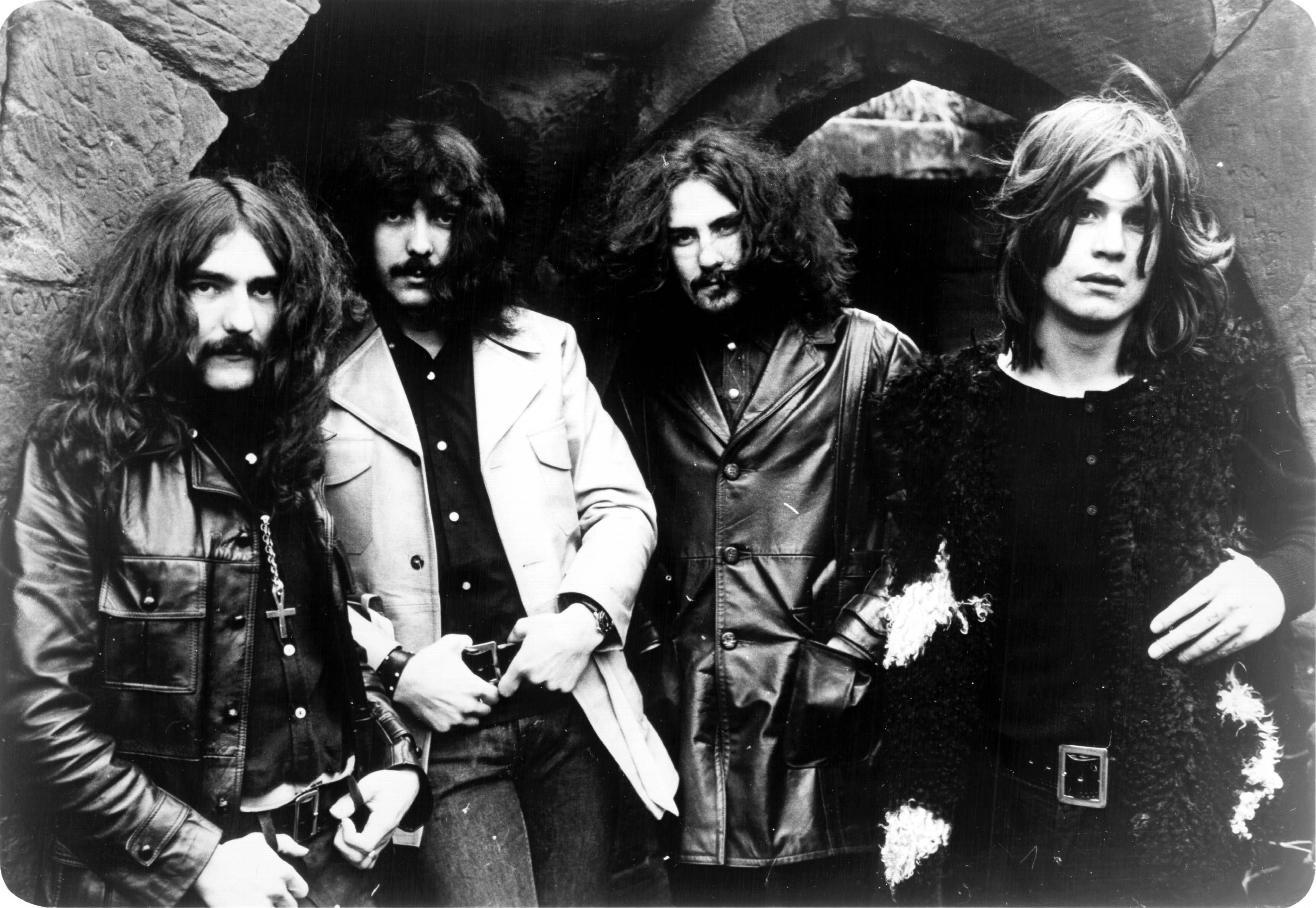


 photo: sven mandel · cc by-sa 4.0 ↗
Alice in Chains
sourcesRolling Stone — "Through the Looking Glass" (band formation, Music Bank, name origin, early career) · The Atlantic — "How Alice in Chains Found the Most Memorable Voice in Grunge" (Layne Staley's vocal style, "Them Bones" studio detail) · Forbes — Jerry Cantrell on formative concert moments (Black Sabbath's Heaven and Hell tour, 1980) · Blabbermouth — Alice in Chains performs Led Zeppelin's "Kashmir" at Qwest Field (2008 live cover, documentary evidence) · Rolling Stone — Jerry Cantrell talks early influences for Gibson Icons series (AC/DC, Kiss, English metal)
In late-1980s Seattle, guitarist Jerry Cantrell was drifting between bands when singer Layne Staley offered him a room in a warehouse rehearsal space called the Music Bank — "open twenty-four hours," Cantrell remembered, "beer and drugs everywhere." Out of that scene came Alice in Chains: down-tuned, doom-heavy riffs wrapped around a vocal blend unlike anything else in grunge-era Seattle. "I think that's what made our band unique," Cantrell said of his partnership with Staley, "we kind of finished each other's songs." Facelift (1990) and Dirt (1992) turned that sound, and Staley's unsparing lyrics about addiction, into the decade's bleakest hit records. Staley died in 2002; Cantrell rebuilt the band around new singer William DuVall, carrying forward a heaviness borrowed from an older generation of hard rock and made unmistakably their own.
the sound in question
1990
Man in the BoxAlice in Chains
walk the tributaries ↓
Black Sabbath1970s · Heavy metal / Hard rock
Cantrell was twelve when a neighbor named Dale first played him Black Sabbath on a good stereo system in Pennsylvania. "The first one I ever heard was Iron Man," he said. "That's the one that struck me at the beginning." His first concert, two years later, was Sabbath's Heaven and Hell tour, where singer Ronnie James Dio spotted him in the crowd and threw the horns back. Decades later, fronting Alice in Chains, Cantrell called Sabbath plainly "our biggest influence" — the band whose sludgy, minor-key doom set a standard he never stopped chasing.
listen: upstream & heresource: Guitar World — Jerry Cantrell on Black Sabbath and Tony Iommi ("our biggest influence," first hearing Iron Man) ↗
1970
Iron ManBlack Sabbath
1992
Them BonesAlice in Chains
listen forListen for the riff arriving first in both: Sabbath's "Iron Man" opens on its lumbering guitar figure a full measure before Ozzy Osbourne's vocal enters, and Alice in Chains' "Them Bones" does the same, letting Cantrell's central riff establish the song's dread before Staley's voice — punctuated by screams he improvised on the spot in the studio — arrives. Same architecture in both: the riff functions as a thesis statement, the vocal as commentary on it.
Led Zeppelin1970s · Hard rock / Blues rock
Cantrell reserves a different register of praise for Led Zeppelin — not just fandom but craft admiration for guitarist Jimmy Page's production instincts. "He was into sounds, recording and layering," Cantrell said. "That appealed to me." In September 2008, Alice in Chains put that admiration into practice, performing a full "Kashmir" at Seattle's Qwest Field with the Northwest Symphony Orchestra during a Seahawks halftime show — a band actually playing another band's song in front of 67,000 people. "They're one of my favourite bands and greatest influences," Cantrell said of Zeppelin, plainly.
listen: upstream & heresource: MusicRadar — Jerry Cantrell on his favorite Led Zeppelin song (Jimmy Page, "greatest influences") ↗
1975
KashmirLed Zeppelin
2008
Kashmir (live, Qwest Field)Alice in Chains
listen forPlay Zeppelin's "Kashmir" against Alice in Chains' 2008 performance of it and the debt needs no interpreting: they reproduce Page's droning, descending string-and-guitar hook nearly note for note, swapping session strings for a full symphony. Listen for how Cantrell's guitar still carries Page's central riff even under the orchestra, and how singer William DuVall stretches into Robert Plant's melodic phrasing rather than Staley's usual bark — the clearest evidence in Alice in Chains' catalog of a specific song, not just a sound, passed down.
KISS1970s · Hard rock / Glam rock / Heavy metal
Cantrell's Kiss allegiance goes back to childhood, and he's unequivocal about who he wanted to be. "When I was a kid, I wanted to be Angus Young or Ace Frehley," he said, defending the band against its critics: "Kiss get a lot of flak, it's very fashionable to slag them off, but I think they were a very important band in rock history. They had good, basic rock songs, and nobody had that larger than life persona." It reads as an influence of ambition and stagecraft more than sound — the idea that a band could build an entire identity around performance.
listen: upstream & heresource: Louder/Metal Hammer — "The Gospel According to Jerry Cantrell" (Kiss, Elton John, Seattle scene testimony) ↗
1974
Cold GinKISS
1992
Would?Alice in Chains
listen forThe connection is more attitude than blueprint, but put Kiss's "Cold Gin" beside Alice in Chains' "Would?" and the shared instinct comes through: neither song reaches for technical flash, and both ride a single, compact, mid-tempo riff until it's memorized before the first chorus lands — the "good, basic rock songs" Cantrell credits with shaping him, filtered through Alice in Chains' darker, downtuned register.