walking upstream…
Metallica



Metallica formed in Los Angeles in 1981 when Danish-born drummer Lars Ulrich placed a classified ad that drew in guitarist and singer James Hetfield, and the band soon relocated to the San Francisco Bay Area that became thrash metal's home base. Welding the galloping riffs and melodic ambition of the New Wave of British Heavy Metal to the raw velocity and aggression of hardcore punk, they defined the genre across early records like 'Kill 'Em All' (1983) and the landmark 'Master of Puppets' (1986). Their self-titled 1991 'Black Album,' powered by 'Enter Sandman,' turned them into one of the best-selling acts in popular music and metal's most recognizable mainstream face.
the sound in question
1986
Master of PuppetsMetallica
walk the tributaries ↓
Diamond Head1980s · Heavy metal / New wave of British heavy metal
Lars Ulrich has repeatedly named the New Wave of British Heavy Metal band Diamond Head as a formative favorite, and Metallica made the debt explicit by recording several Diamond Head songs — including 'Am I Evil?', 'Helpless', 'The Prince' and 'It's Electric' — as covers across their career. The template shows up in Metallica's love of long, multi-part song structures built from stacked riffs rather than a single hook.
listen: upstream & here
1980
Am I Evil?Diamond Head
1984
Creeping DeathMetallica
listen forThrow on Diamond Head's 'Am I Evil?' and follow how its ominous slow intro hands off to a mid-tempo galloping riff, then compare it to the extended riff-chained architecture of Metallica's 'Creeping Death' — the same idea of a metal song as a suite that keeps mutating rather than repeating a chorus.
Motörhead1980s · Heavy metal / Speed metal / Rock and roll
Metallica are open Motörhead devotees — they have covered Motörhead songs and once performed a set of them as 'The Lemmys' for frontman Lemmy Kilmister's birthday — and the older band's flat-out, downpicked speed and shouted, gritted-teeth vocal helped push early thrash past traditional metal's tempos. Motörhead's relentless drive is one of the clearest links between punk energy and metal.
listen: upstream & here
1980
Ace of SpadesMotörhead
1983
WhiplashMetallica
listen forPlay Motörhead's 'Ace of Spades' and lock onto its breakneck, rattling gallop, then drop into Metallica's 'Whiplash' — the same headlong double-time momentum and barked, all-attack vocal, just tightened into thrash.
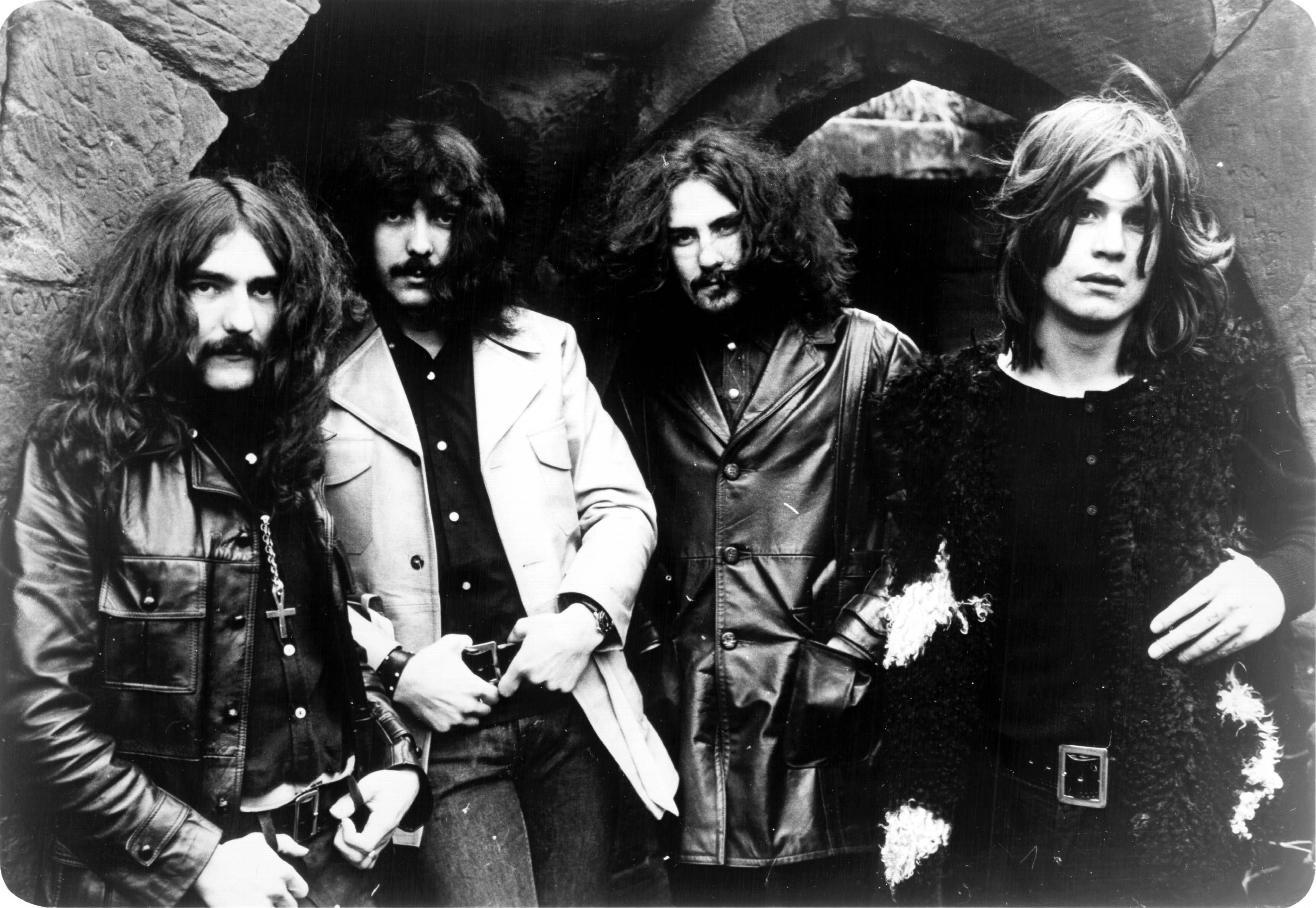
Black Sabbath1970s · Heavy metal / Hard rock
Metallica have long cited Black Sabbath as foundational to the whole idea of heavy metal, and the older band's crushing, minor-key riffing and darkened subject matter underpin Metallica's slower, doom-tinged material. Where Motörhead gave them speed, Sabbath gave them weight.
listen: upstream & here
1975
Symptom of the UniverseBlack Sabbath
1984
For Whom the Bell TollsMetallica
listen forCue Black Sabbath's proto-thrash 'Symptom of the Universe' and its jagged, chugging riff, then move to the marching, downcast heaviness of Metallica's 'For Whom the Bell Tolls' — both lean on a monolithic, grinding riff and an air of dread rather than speed.