walking upstream…
Aerosmith
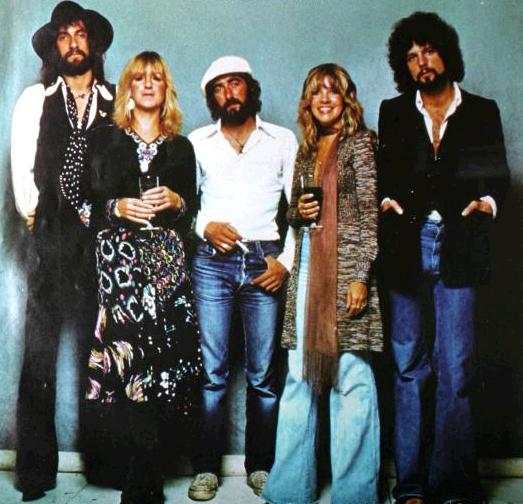

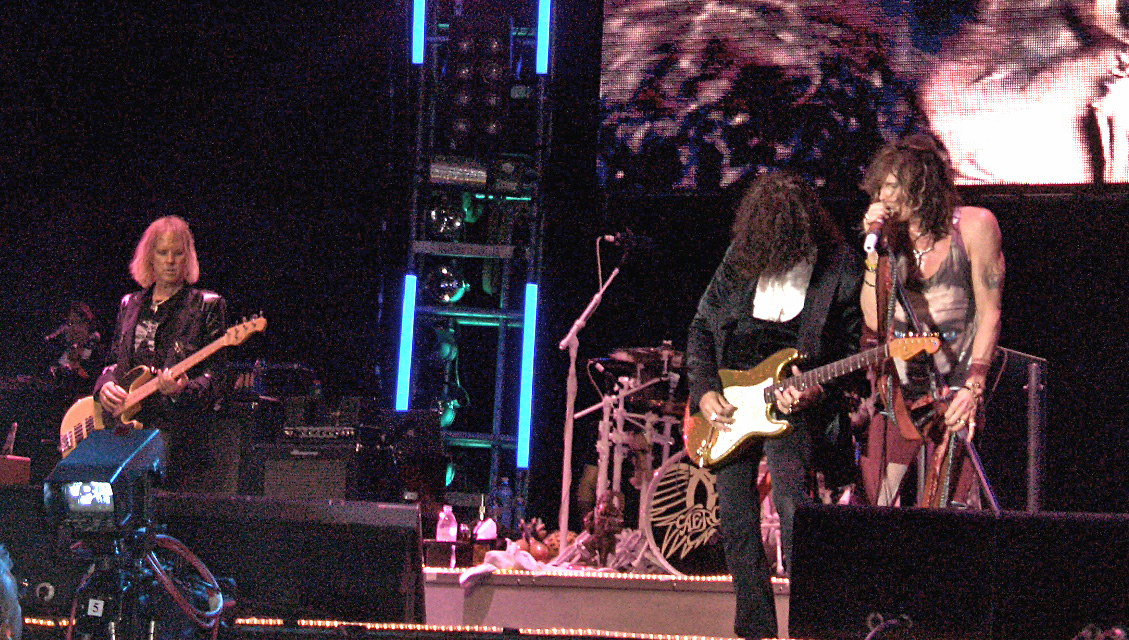 photo: edvill · cc by 2.0 ↗
Aerosmith
In the summer of 1966, Joe Perry watched a Sunapee, New Hampshire garage band called Chain Reaction and filed away its singer as "loud and obnoxious." Three years later, roles reversed: singer Steven Tyler caught Perry's power trio at a local club called The Barn, watched them tear into a blues cover, and decided on the spot that this rough band was the one he needed. In October 1970 Tyler moved into Perry and bassist Tom Hamilton's Boston apartment, insisted on fronting rather than drumming, and — with Brad Whitford and Joey Kramer completing the lineup, the band's name lifted from Kramer's high school notebook doodles — Aerosmith cut a 1973 debut that grew into a catalog selling more than 150 million records: British blues-rock, replayed with Boston bar-band nerve.
the sound in question
1973
Dream OnAerosmith
walk the tributaries ↓
The Yardbirds1960s · Blues rock / Psychedelic rock
In 1966, four years before he co-founded Aerosmith, Joe Perry watched Jimmy Page and Jeff Beck trade leads in the Yardbirds' two-guitar frontline in the film Blow-Up. "That was proto-Aerosmith," he said later, "two guitar players who can pretty much play with that kind of energy and that kind of creativity coming from two different schools" — a lineup he called rare for its era. Steven Tyler independently named the group among the bands Aerosmith "thought about... paying homage to," and the twin-guitar split Perry built with Brad Whitford directly extends that Page/Beck template.
listen: upstream & heresource: Something Else! Reviews — Joe Perry on the Yardbirds ↗
1965
Train Kept A-Rollin'The Yardbirds
1974
Train Kept A-Rollin'Aerosmith
listen forPerry has called the Yardbirds' Having a Rave Up his gateway record: "What really struck me was Jeff's playing. What an eye opener!" — the discovery, he said, that made him think "I want my guitar to sound like that." Cue up the Yardbirds' 1965 "Train Kept A-Rollin'," with its stop-start, train-whistle guitar intro, against Aerosmith's 1974 studio cover on Get Your Wings: the same rev-and-brake device opens both, Perry and Whitford's dual attack standing in for Beck's showcased lead.
Fleetwood Mac1970s · Rock / Pop rock / Blues rock
By the summer of 1969, Steven Tyler had seen a lot of amateur bands, so when he caught Joe Perry's power trio at a Sunapee, New Hampshire club called The Barn, his review had a catch: "When I first saw these guys, they were terrible... but they did [Peter Green's] 'Rattlesnake Shake,' and there was a f---ing energy that all the bands I'd been in before couldn't do ever." That performance, by Tyler's own account, is what convinced him Perry was worth building a band around — and decades later Aerosmith still closes shows with Green's blues, once bringing original Fleetwood Mac drummer Mick Fleetwood onstage to play it.
listen: upstream & heresource: Biography.com — How Steven Tyler and Joe Perry Formed Aerosmith (formation story, Fleetwood Mac influence) ↗
1969
Rattlesnake ShakeFleetwood Mac
1973
Rattlesnake ShakeAerosmith
listen forFleetwood Mac's 1969 "Rattlesnake Shake," built on Peter Green's minor-key riff and a slow-building vocal howl, is the exact song that, per Tyler, sealed the Perry/Tyler partnership. Put it beside Aerosmith's own reading — cut live at a Cincinnati radio session in 1973 and later released on the Pandora's Box box set — and listen for how closely the band keeps Green's original phrasing and tempo rather than speeding it into their own style: a rare Aerosmith cover played as tribute, not reinvention.
The Rolling Stones1960s-70s · Rock / Blues rock / Hard rock
Steven Tyler's first rock hero wasn't a guitarist but a frontman: "Mick Jagger was the baddest fucking character on my block," he said, admitting he was initially "a little afraid because I didn't want anyone to say I looked like Mick." Early reviewers noticed the resemblance too, tagging Aerosmith as Rolling Stones knockoffs — a comparison Tyler answered less by denying it than by raising the bar: "It's not like I'm trying to be the poor man's Rolling Stones. It's that someday, maybe, I can get close to their stature."
listen: upstream & here
1969
Honky Tonk WomenThe Rolling Stones
1976
Last ChildAerosmith
listen forPerry has pointed to the Stones' rhythmic pocket rather than their riffs: "The Stones were a band that could really nail it... they always had that feel because they analyzed Johnnie Johnson's piano playing" — a nod to Chuck Berry's longtime pianist. Put the loose, horn-less swagger of the Stones' 1969 "Honky Tonk Women" against Aerosmith's 1976 "Last Child": both ride a single funk-inflected guitar vamp instead of a hook, the verse content to groove rather than announce itself.