The Rolling Stones
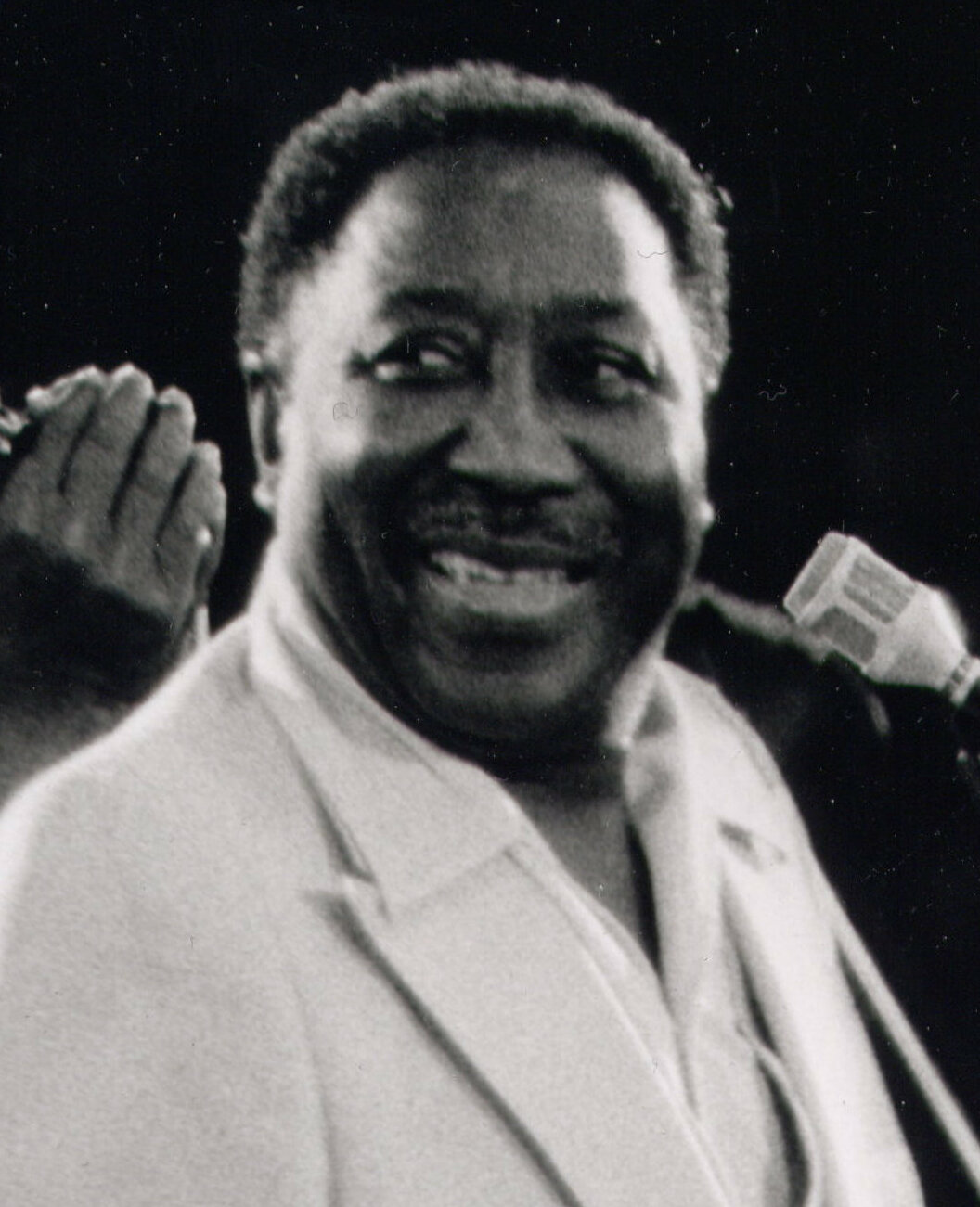
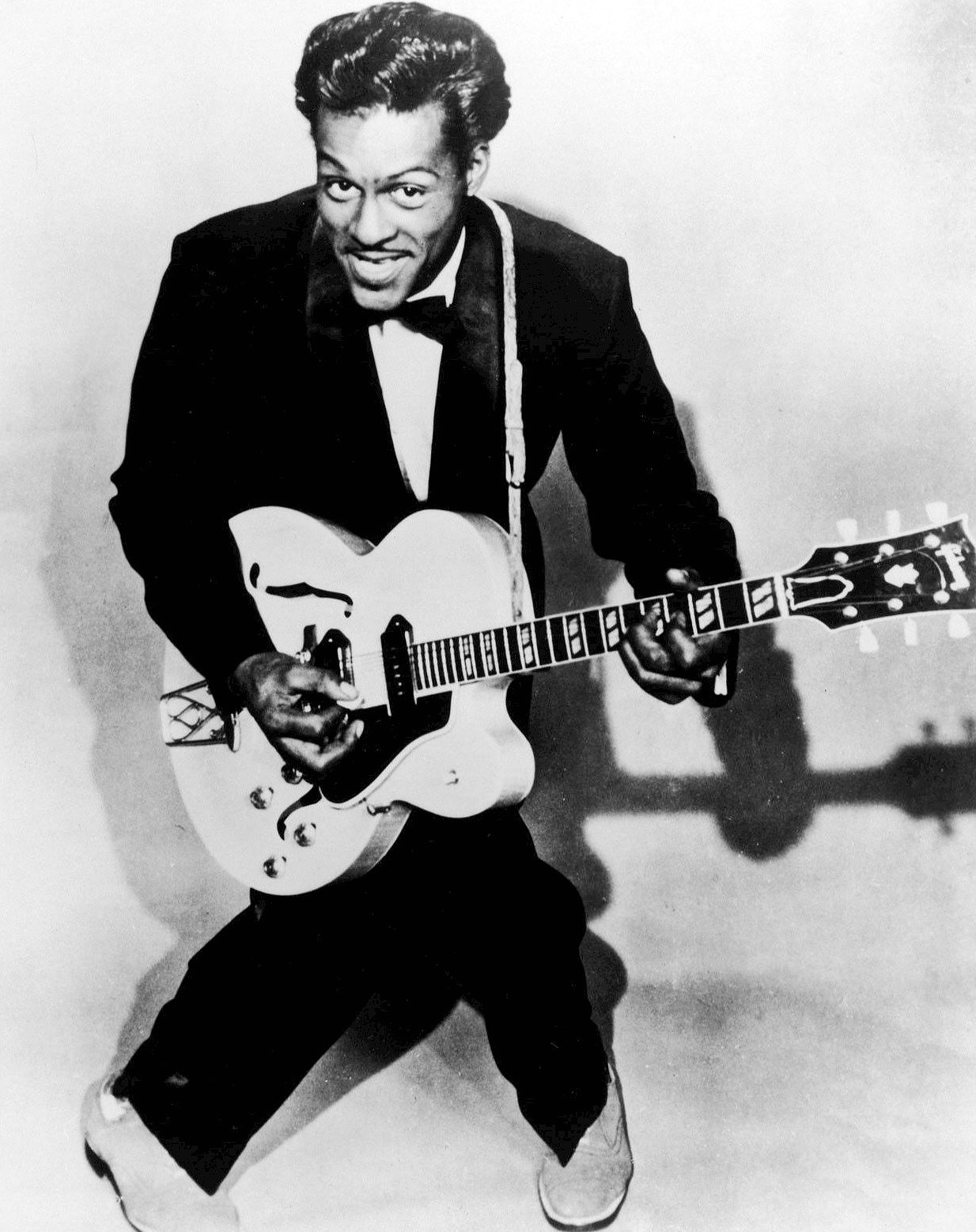
 photo: jim pietryga · cc by-sa 3.0 ↗
Born out of a shared record collection and a love of Chess blues, The Rolling Stones turned Muddy Waters and Chuck Berry riffs into a snarling, unapologetically raw strain of British rock starting in 1962. Mick Jagger's sneer and Keith Richards's riffs powered '(I Can't Get No) Satisfaction' and 'Gimme Shelter' into rock's bedrock, cementing the band's reputation as one of the genre's most dangerous and enduring outfits. More than sixty years on, they remain a working band.
The band lifted their name from Muddy's 'Rollin' Stone' and built their earliest sets on his amplified Chess sound. His Willie Dixon-penned strut 'I Just Want to Make Love to You' went straight onto their 1964 debut, played faster and rowdier but tracing the same swagger.
listen forThe stop-start riff and the boastful, behind-the-beat vocal — then hear the Stones speed it up and push it toward rock and roll.
Chuck Berry's guitar-first rock and roll was the Stones' template; they covered him constantly and Keith Richards openly modelled his rhythm playing on Berry's. 'Carol' was one of the covers they cut on that first album.
listen forThe double-stop guitar intro and the loping shuffle — then hear the Stones reproduce it almost move for move.
Digging past the Chess records to the Delta source, the Stones recorded Johnson's 'Love in Vain,' reworking his solo acoustic lament into a country-tinged electric ballad on 'Let It Bleed.'
listen forThe descending guitar figure and the image of watching a lover's train pull away — then hear the same melody and lyric carried by slide guitar and mandolin.