walking upstream…
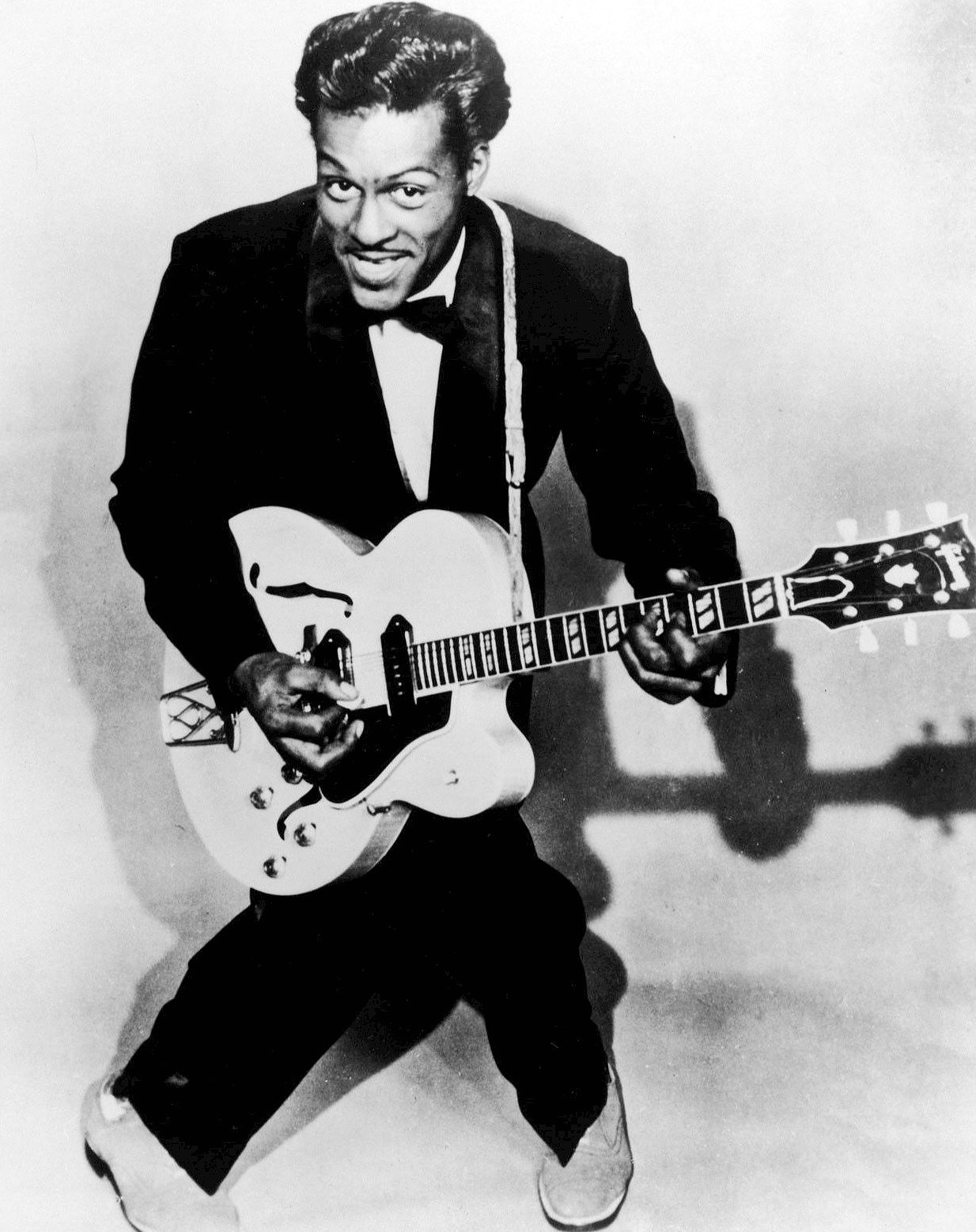
Chuck Berry

sourcesuDiscoverMusic — "Chess Records and Rock 'n' Roll Revolution" (Muddy Waters' recommendation to Leonard Chess) · The Bluegrass Special — "Robillard on T-Bone Walker" (Duke Robillard on Walker's guitar technique becoming Berry's rock and roll licks) · Grunge.com — "The Truth About Chuck Berry's Song Johnny B. Goode" (pre-rock songs behind the Johnny B. Goode riff) · Wikipedia — Johnny B. Goode (Carl Hogan's 1946 riff, supporting cite)
Chuck Berry wanted to be a big-band guitarist before he wanted to be anything else, modeling himself on swing players years before rock and roll had a name. St. Louis dance halls heard him weld hillbilly fiddle tunes to rhythm and blues long before Chess Records existed to capture it. That fusion became "Maybellene" in 1955 — a reworked country song, cut the year Muddy Waters sent him to Chess — and its engine, boogie-woogie bent onto guitar strings and sung with a storyteller's twang, became the blueprint an entire generation of guitarists copied without knowing they were copying it. "Everything that American popular music had been, from Louis Armstrong to Muddy Waters, was transformed when it flowed through him," the critic Philip Clark wrote decades later — and by 1958's "Johnny B. Goode," blues, swing, and country had walked out the other side as rock and roll.
the sound in question
1958
Johnny B. GoodeChuck Berry
walk the tributaries ↓
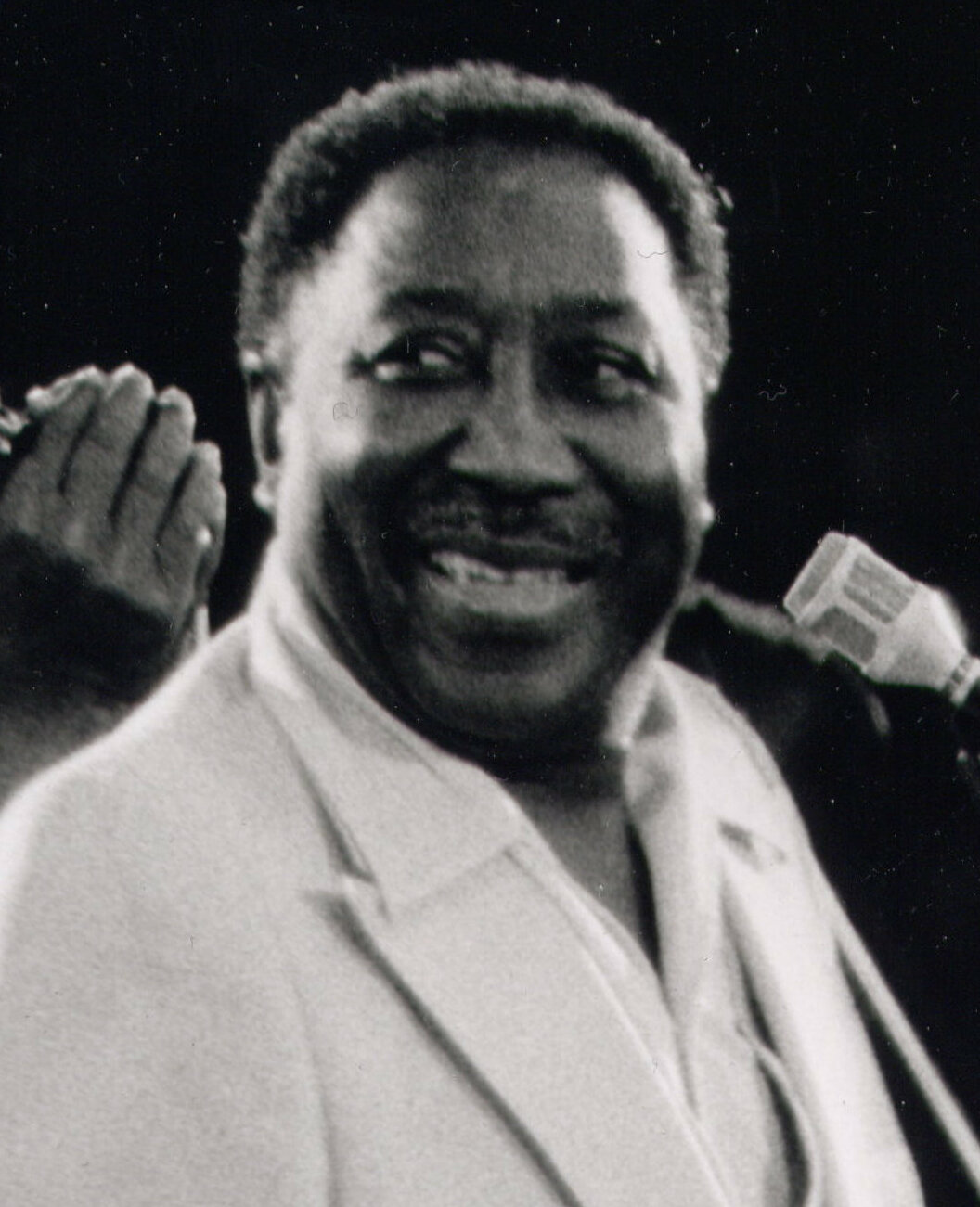
Muddy Waters1950s · Chicago blues / Electric blues / Delta blues
Berry traveled to Chicago hoping to do no more than meet his idol. He found Muddy Waters performing at a club and, working up his courage, introduced himself — "it was the feeling I suppose one would get from having a word with the president or the pope," he wrote in his autobiography. Waters did more than shake his hand: he sent Berry straight to Chess Records, where — as the music site uDiscoverMusic recounts — his reworked fiddle tune "Ida Red" had "the idea and sound of a hillbilly song sung by a black man," exactly what label boss Leonard Chess was looking for. He signed him within days.
listen: upstream & heresource: Encyclopedia.com — Chuck Berry biography (the Chicago meeting with Muddy Waters, "president or the pope" quote) ↗
1954
Hoochie Coochie ManMuddy Waters
1955
Wee Wee HoursChuck Berry
listen forPlay Waters' "Hoochie Coochie Man" and you hear the template: a slow 12-bar blues, one hypnotic groove, a singer daring you to doubt him. "Wee Wee Hours," cut the same year Berry signed to Chess, plays it straight — no duck walk, no teenage yelp, just Johnnie Johnson's piano filling the space Waters' harmonica would have taken and a voice settling into a late-night ache. It's the blues he never really left, just usually kept off the A-side.
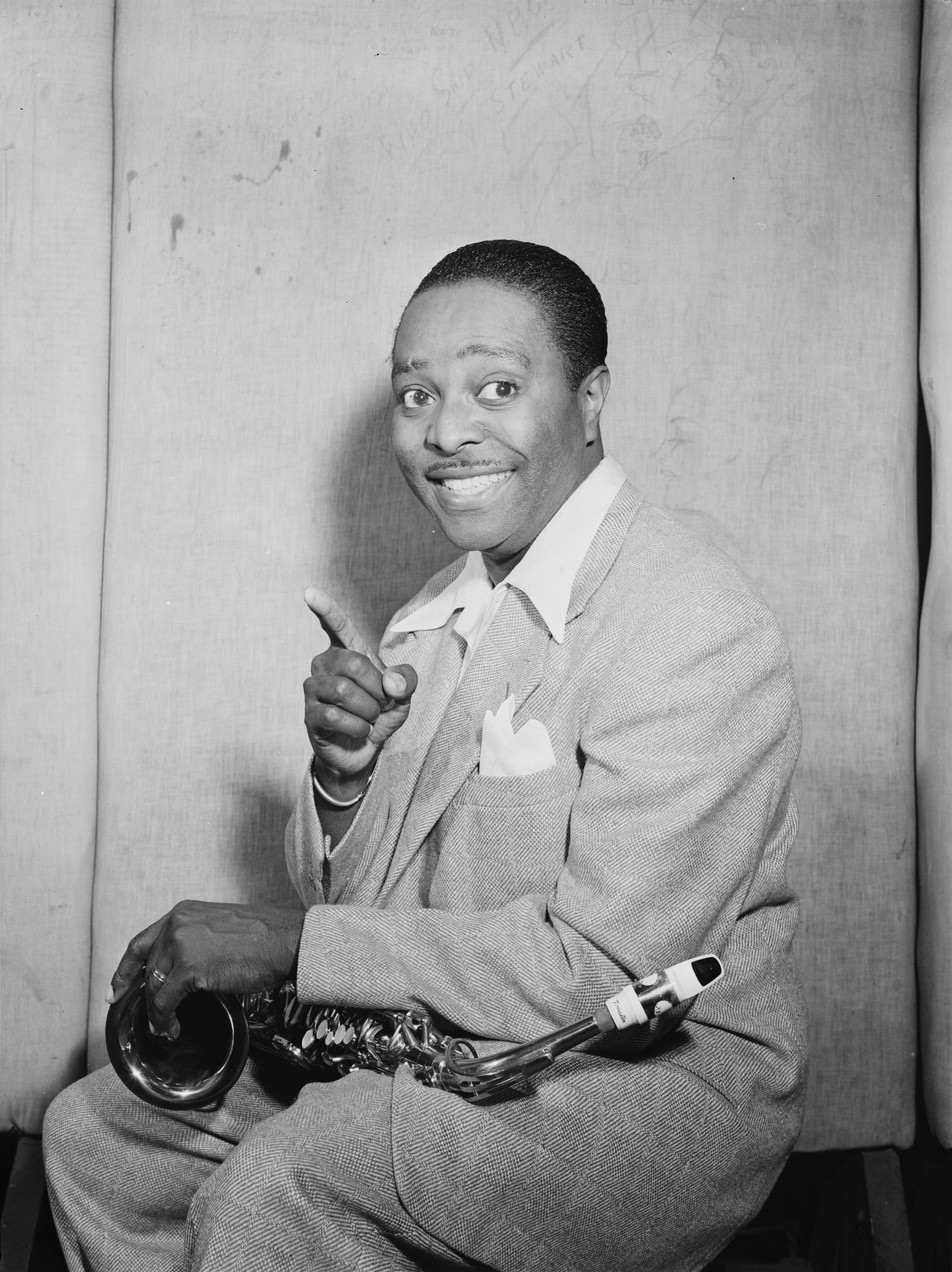
Louis Jordan1940s · Jump blues / R&B / Swing
Berry worshiped Jordan's guitarist, Carl Hogan — drawn, as Clark writes, to "the rhythmic push and pull" of boogie-woogie crisscrossing a swinging drummer's beat. In 1958 he paid the debt back directly: the opening riff of "Johnny B. Goode" reprises Hogan's 1946 lick, a grateful hat-tip a decade on. He took Jordan's comic sensibility too — the sly showman's wit that turned a rhythm and blues combo into a one-band vaudeville act — and folded it into his own stage patter and lyrics.
listen: upstream & heresource: The New York Review of Books — "The Transgressor" by Philip Clark (bio thesis quote; Louis Jordan/Carl Hogan influence) ↗
1946
Ain't That Just Like a Woman (They'll Do It Every Time)Louis Jordan
1958
Johnny B. GoodeChuck Berry
listen forPlay Jordan's "Ain't That Just Like a Woman" first and listen for Carl Hogan's single-note intro lick — boogie-woogie, a piano style, translated onto guitar strings for maybe the first time on record. The opening bars of "Johnny B. Goode" are the same lick, just charged up: same shape, same swing, doubled in speed and volume until a borrowed riff sounds like it was born on a guitar and nowhere else.
T-Bone Walker1940s · Jump blues / Electric blues / West Coast blues
Berry never hid the source of his stagecraft: "All the things people see me do on the stage I got from T-Bone Walker," he said — the same conclusion the guitarist Duke Robillard reached from the other side: "Chuck Berry just took T-Bone's style and put it to a different beat," he has said, "and a lot of the technique and the little T-Bone phrases that define his style... became rock 'n' roll guitar licks." Walker was the first electric bluesman to make the guitar a stage prop as much as an instrument, and Berry's own duck walk descends straight from those stunts.
listen: upstream & heresource: United Musicians Radio — "The Case For T-Bone Walker" (Berry's own quote on Walker's showmanship) ↗
1947
Call It Stormy Monday (But Tuesday Is Just as Bad)T-Bone Walker
1955
MaybelleneChuck Berry
listen forWalker's "Call It Stormy Monday" floats over its own beat — bent, sustained single notes stretched out like a horn player breathing between phrases. Berry's "Maybellene" intro takes that same bent-note vocabulary and refuses to let it float: faster, blunter, all forward motion, like a horn line rewritten for a car chase. The notes are Walker's; the tempo is entirely Berry's own invention.