J.J. Cale


John Weldon 'J.J.' Cale (1938-2013), born in Oklahoma City and raised in Tulsa, was a chief architect of the 'Tulsa Sound,' a loose, low-key blend of blues, country, rockabilly, and jazz built on smoky vocals and minimalist production. Though he shunned the spotlight, his songs became rock standards in other hands — Eric Clapton turned 'After Midnight' and 'Cocaine' into hits — while his own records prized feel and restraint over flash. His unhurried, behind-the-beat guitar and warm, murmured delivery quietly shaped players from Clapton to Mark Knopfler.
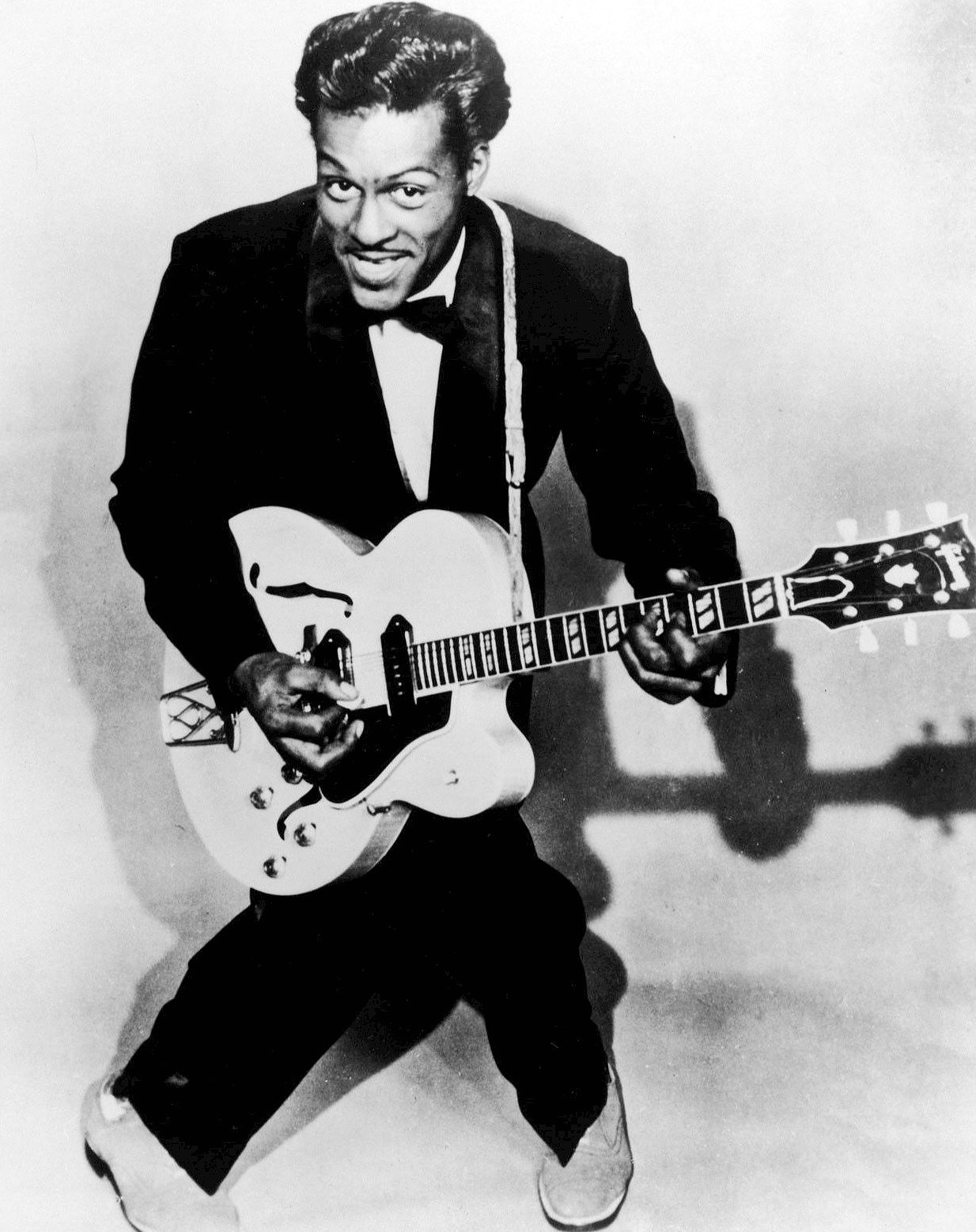
Cale came up as a teenager in the first wave of 1950s rock and roll, and Chuck Berry's rolling, boogie-based guitar and rhythmic drive sit under the uptempo shuffles that run through his catalog.
listen forPlay Berry's 'Johnny B. Goode,' then Cale's 'Crazy Mama' — the same chugging, boogie-woogie guitar figure, only Cale sands the edges down to a smoky, low-flame simmer.
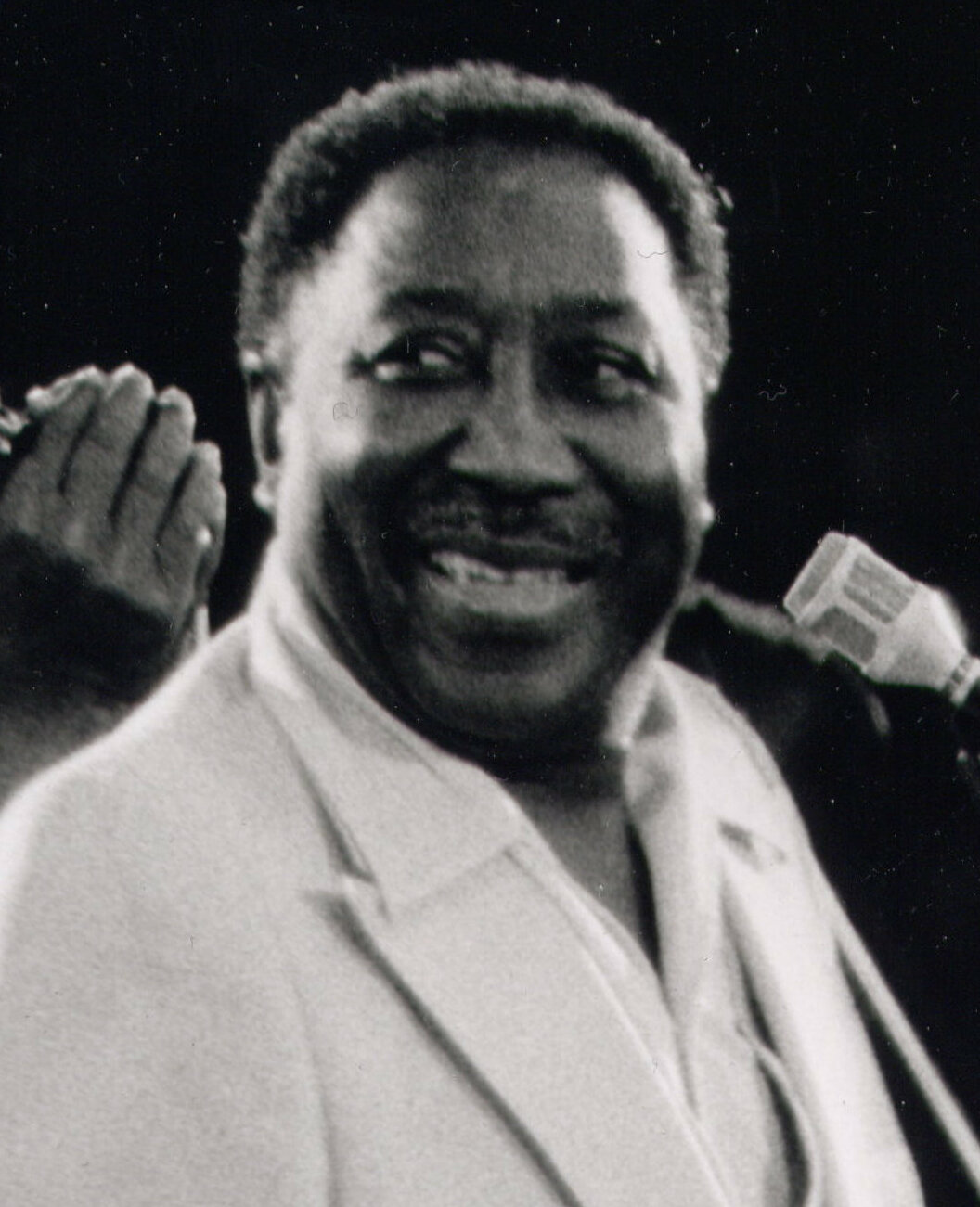
The Chicago electric blues of Muddy Waters is a bedrock of Cale's sound: the hypnotic one-chord vamps, the swampy repeated riffs, and the wide space left around each note all echo the Delta-into-Chicago tradition.
listen forSet Muddy's 'Mannish Boy' against Cale's 'Cocaine' — both ride a stark, insistent blues riff and a slow, menacing groove that leaves plenty of air between the hits.
Cale's clean, fingerpicked guitar and his light, jazzy chord voicings grow out of the Atkins fingerstyle tradition he absorbed in the country-and-western world of Oklahoma.
listen forPlay Atkins' 'Windy and Warm,' then Cale's 'Magnolia' — hear the same gentle, thumb-driven fingerpicking and mellow, unshowy touch under the melody.