walking upstream…
Chet Atkins
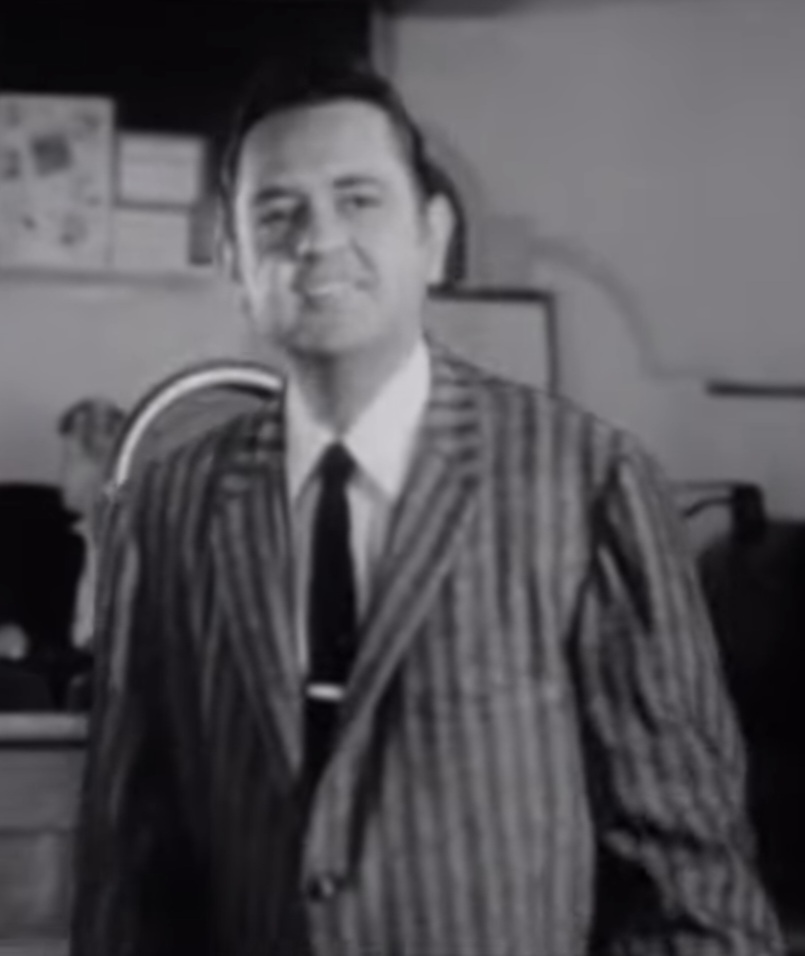
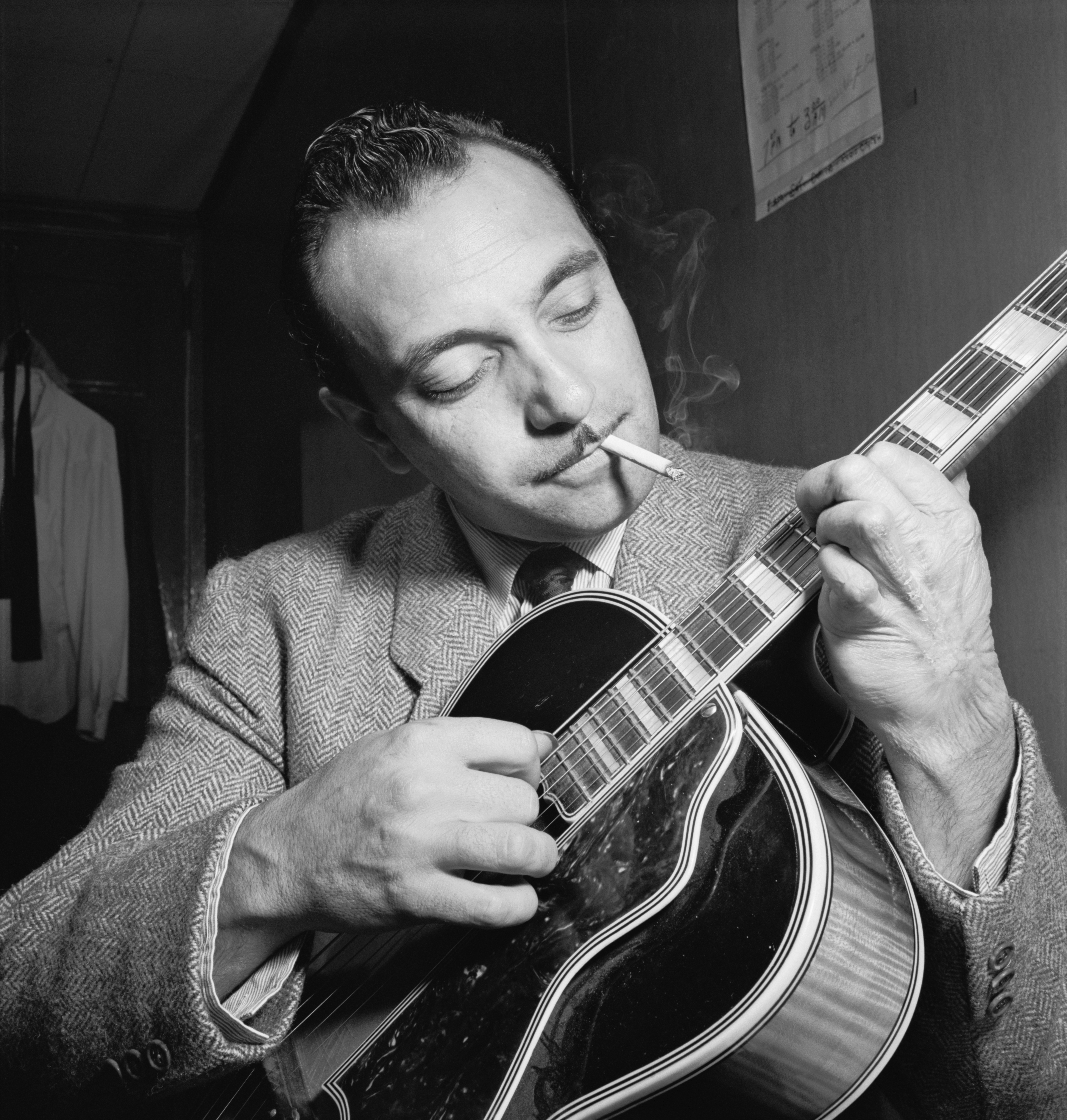
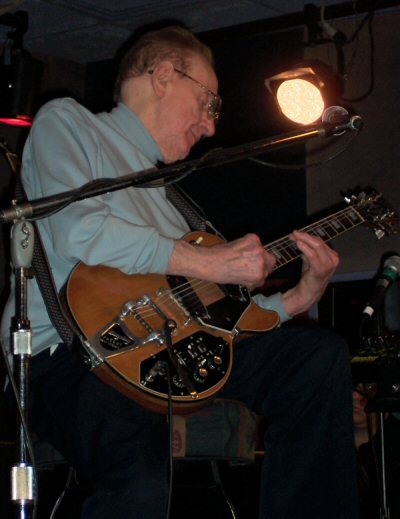
 photo: jack de nijs / anefo · cc0 ↗
Chet Atkins
sourcesCountry Music Hall of Fame and Museum — Chet Atkins biography (family background, WNOX/WLW radio years) · Gypsy Jazz UK — Django and Chet Atkins (Atkins's first-person account of discovering and meeting Reinhardt) · Premier Guitar — Chet Atkins Exhibit · Chet Atkins · Wikipedia — Chet Atkins (biography, career overview, citing his 1974 autobiography Country Gentleman) · Wikipedia — Chester and Lester (1976 Atkins/Les Paul collaboration album) · Wikipedia — The Atkins–Travis Traveling Show (1974 Atkins/Merle Travis collaboration album)
Chet Atkins spent his asthmatic Depression-era childhood in a straight-back chair, unable to lie flat, playing guitar until he fell asleep holding it. "We were so poor and everybody around us was so poor that it was the forties before anyone even knew there had been a depression," he wrote later. Radio was his classroom: a 1939 night spent leaning into a Cincinnati broadcast reshaped his entire technique, and a teenage discovery of jazz 78s reshaped his ear. By the late 1950s, producing at RCA's Nashville studio, he was stripping fiddle and steel guitar out of country records to win over pop listeners, a style the press dubbed the Nashville Sound. Fourteen Grammys and three genre-crossing halls of fame later, the guitarist who wanted only to be known as a good musician had redrawn what country music could sound like.
the sound in question
1955
Mr. SandmanChet Atkins
walk the tributaries ↓
Merle Travis1940s-50s · Country / Western swing / Honky tonk
Atkins was seventeen, asthmatic and self-taught, when a Cincinnati radio signal carried Merle Travis's thumb-and-finger picking into his father's house in rural Georgia. He misheard it entirely — certain no one could play that cleanly with just a thumb and one finger — and built his own three-finger answer to a technique he'd never actually seen. Decades later the debt still stung a little: "I never tried to play like Merle," he said. "I was determined to play my own way... I never listened to Merle after I was about 18 or 19 years old." The two eventually recorded together anyway.
listen: upstream & heresource: Acoustic Guitar magazine — The Acoustic Inventions of Chet Atkins (Atkins on Django harmonics, Merle Travis rivalry, artistic independence) ↗
1949
Cannonball RagMerle Travis
1974
Cannonball RagChet Atkins
listen forTravis's 1949 "Cannonball Rag" moves in strict two-beat time, his thumb thumping a steady alternating bass while one finger carries the melody on top — clean, spare, almost march-like. On the 1974 duet version from Atkins and Travis's Grammy-winning album The Atkins–Travis Traveling Show, listen for Atkins layering in a third right-hand finger, thickening Travis's single melodic line into fuller chords while the two trade the same tune back and forth, one guitarist visibly answering the other.
Django Reinhardt1930s · Gypsy jazz / Jazz / Swing
A trumpet player in Atkins's first professional band pulled some old 78s out of the station library in Knoxville and played him Django Reinhardt. "I was impressed," Atkins said, though it took years of playing before he understood what he was hearing. In 1946, broke and between jobs in Chicago, he scraped together a ticket to see Reinhardt play with Duke Ellington at the Civic Opera House, then talked his way backstage for an autograph: Reinhardt signed "D. Reinhardt," smiled, and Atkins smiled back. Late in life, asked to rank the century's ten most influential guitarists, Atkins put Reinhardt first — above himself, above everyone.
listen: upstream & here
1943
Manoir de mes rêvesDjango Reinhardt
1959
Django's CastleChet Atkins
listen forOn "Manoir de mes rêves," Reinhardt runs long, tumbling single-string lines over a stride-guitar rhythm bed, the melody bending and sliding between notes the way a horn player would phrase it. Atkins recorded his own version in 1959, retitled "Django's Castle" as a tribute; listen for how he keeps that same rubato, singing melodic line but sets it inside his thumb-and-finger picking pattern instead of a jazz rhythm section — gypsy-jazz phrasing rerouted through a Nashville session guitar.
Les Paul1950s · Pop / Jazz / Instrumental rock
Atkins's half-brother Jim played in the Les Paul Trio, and through Jim a teenage Chet acquired a guitar tied to Paul — a Gibson L-10 with an extended fretboard Paul had custom-ordered. "When [Jim] saw how much I liked it, he surprised me by giving it to me," Atkins wrote in his memoir. "Riding back to Knoxville on the train, I was so happy I didn't know what to do." He spent his teens absorbing Paul's single-string runs off records; three decades later he coaxed Paul out of retirement for Chester & Lester, recorded live with little editing, which won the 1976 Grammy for Best Country Instrumental Performance.
listen: upstream & heresource: Alan Cackett — Chet Atkins biography (early influences, Jim Atkins/Les Paul connection) ↗
1948
Lover (When You're Near Me)Les Paul
1976
CaravanChet Atkins
listen forLes Paul's 1948 multitracked showcase "Lover" stacks single-string runs into a dense, layered wall, each line articulated with the same crisp, horn-like attack. On "Caravan" from Chester & Lester, no overdubs — just Atkins and Paul in a room, trading identical single-string phrasing back and forth in real time; listen for the moment each guitarist finishes the other's musical sentence, the same vocabulary passed hand to hand three decades after Atkins first heard it on record.