walking upstream…
Merle Travis
sourcesCountry Music Hall of Fame — Merle Travis (bio, Bigsby/Fender, Sixteen Tons) · San Diego Troubadour — "Memories of Merle" (Travis's own testimony on Rager, Everly, Jones) · Fretboard Journal — Gamble Rogers' 1976 lost interview with Merle Travis · The Only Official Everly Brothers Website — History (Shultz-Jones-Everly-Travis lineage) · Country Music Hall of Fame Oral History Collection — Moses Rager (OHC158) · Western Kentucky/Muhlenberg County history compilation — Merle Robert Travis clippings (Messenger-Inquirer, Bobby Anderson)
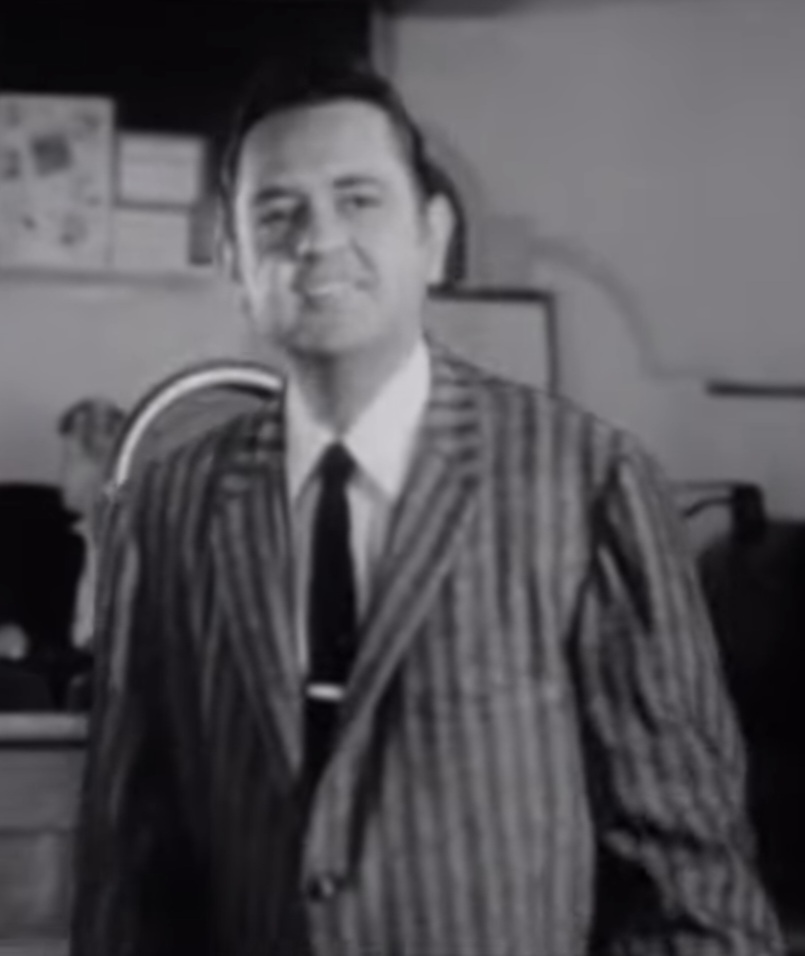
Merle Travis grew up in Ebenezer, a coal-company farm town in Muhlenberg County, Kentucky, the son of a banjo-picking miner. "I was nuts about that when I was a kid, that old rappin' style," he said of watching his father play. At twelve he turned that obsession to the guitar, following two local players through parties and dances until their syncopated thumb-and-index picking became his own. He carried it from Cincinnati radio to wartime Hollywood, wrote "Sixteen Tons" in 1946, and watched it sit largely unnoticed for nine years until Tennessee Ernie Ford's 1955 recording made it an American standard. In between, he designed a solid-body electric guitar that Paul Bigsby built in 1948 -- one his friend Leo Fender is said to have studied before drafting the Fender Telecaster. Travis died in 1983; the picking style still carries his name.
the sound in question
1946
Sixteen TonsMerle Travis
walk the tributaries ↓
Mose Rager1930s-40s · Country blues / Thumbpicking guitar
As a boy in Muhlenberg County, Travis followed the barber and coal miner Mose Rager to every dance and house party he played, watching his hands rather than taking lessons. "I heard Mose Rager and Ike Everly ... and saw what they were doing with that thumb and index finger syncopated style, and that's what I had to play," Travis said. Decades later, a local historian recorded that Rager "performed with Merle at the Smithsonian in Washington, D.C." -- billed alongside the student who'd surpassed him -- and that Travis "never failed to give credit for what he had learned from him."
listen: upstream & heresource: Ohio County, Kentucky History — "Mose Rager" (credit, Smithsonian performance) ↗
1979
Moses Rager oral history interview (Country Music Hall of Fame, OHC158)Mose Rager
1979
Mose Rager BluesMerle Travis
listen forRager never released a commercial recording of his own playing, so there is nothing of his to cue up directly -- only the Country Music Hall of Fame's 1979 oral-history tape of him talking, not playing. What survives instead is Travis's tribute: on "Mose Rager Blues," recorded with fellow thumbpicker Joe Maphis three decades after leaving Kentucky, listen for the steady alternating bass under an independent melody line -- the same division of labor between thumb and index finger Travis described watching Rager do. The title names the debt the recording can't otherwise repay.
Ike Everly1940s · Country blues / Thumbpicking guitar
Ike Everly, a fellow coal miner, played the same style beside Rager. The Everly family's own account traces it further back still: the technique "originated with a great unsung guitar and fiddle legend named Arnold Shultz," who "taught Kennedy Jones, who then transmitted it to Ike, alongside Mose Rager and eventually Merle Travis." Travis chased them both as a boy. "I never took a lesson from either of those guys," he said, "but I follered them everywhere they went and just sort of picked it up." A Kentucky historian later drew the line forward too: "The Everly Brothers were influenced by what Merle and Ike did."
listen: upstream & here
1969
Ike Everly's Rag (live, Newport Folk Festival)Ike Everly
1979
Ike Everly's RagMerle Travis
listen forEverly's own playing rarely made it to tape, but a surviving clip from a 1969 Newport Folk Festival reunion with sons Don and Phil catches him picking a tune that carries his name -- an easy, rolling alternation of thumb and index finger under the melody. A decade later, Travis and Joe Maphis cut their own instrumental under that same title for Country Guitar Giants; whether the tune itself is truly Everly's composition or Travis's tribute is unresolved, but the touch on both recordings -- thumb walking the bass, index carrying the tune on top -- is the same western Kentucky style.
Kennedy Jones1920s-30s · Country blues / Thumbpicking guitar
Travis placed Kennedy Jones, a Muhlenberg County guitarist a generation older than Rager and Everly, a rung above his own teachers: "sort of the daddy of the Muhlenberg County guitar style," the man "Mose Rager says ... created that multi-finger roll that we all use now." Jones had stumbled into the technique around 1918, nursing a blistered thumb while playing Hawaiian steel guitar, and passed it to Rager and Everly before either of them taught Travis anything. Jones also wrote "Cannonball Rag," later dubbed "The Thumbpicker's National Anthem" -- but when Travis recorded it himself, the guitar site Riff noted, "the latter received the credit."
listen: upstream & heresource: Riff — "Repertoire ↗
Cannonball Rag, composed by Kennedy Jones c. 1918 (no recording survives)Kennedy Jones
1952
Cannon Ball RagMerle Travis
listen forJones never recorded commercially, so his own version of "Cannon Ball Rag" doesn't exist to compare -- only Travis's, cut for Capitol in September 1952 and the recording the world came to know as the tune. Listen for the trick underneath the speed: a rolling, syncopated bass line running independently beneath a bright, ragtime melody, played fast enough to sound like two guitarists rather than one. That's the "multi-finger roll" Travis credited to Jones by name. Whatever Jones's own touch sounded like went with him; this recording, and the credit dispute around it, is what's left.