walking upstream…
Glen Campbell
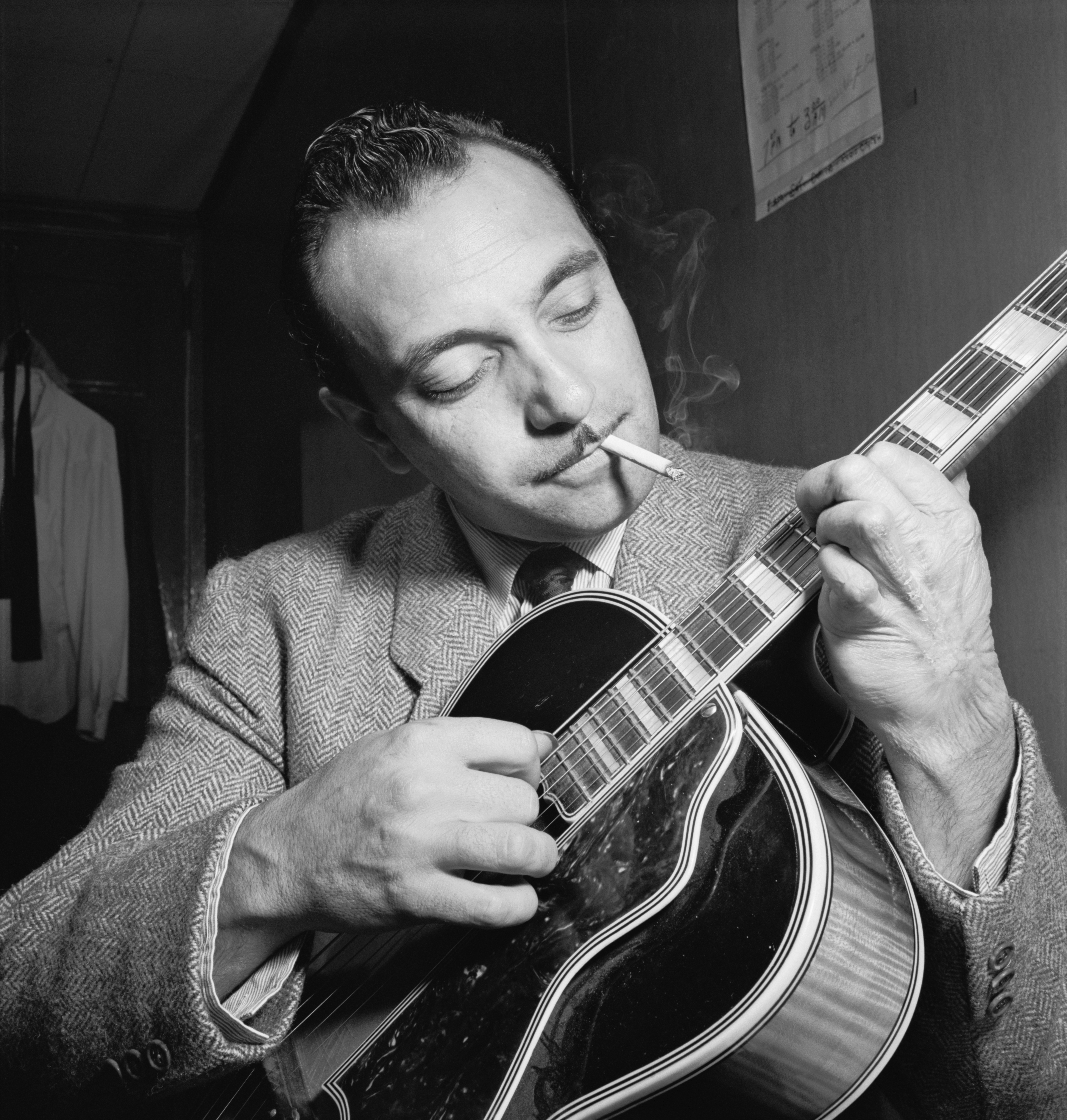

 photo: capitol records · public domain ↗
Glen Campbell
sourcesWikipedia · American Songwriter
The seventh of twelve children born to Arkansas sharecroppers, Glen Campbell got a $5 guitar at age four and was largely self-taught, absorbing Django Reinhardt records by ear and playing local radio by six. He moved to Los Angeles at the end of the 1950s and became one of the busiest session guitarists in the city — an in-demand player later associated with the loose group of studio musicians nicknamed the Wrecking Crew — before Jimmy Webb's songs turned him into a star in his own right: 'Gentle on My Mind,' 'By the Time I Get to Phoenix,' and 'Wichita Lineman' made him a crossover country-pop fixture, extended by his own network variety show, 'The Glen Campbell Goodtime Hour' (1969-72). 'Rhinestone Cowboy' became his biggest hit in 1975. He toured publicly through early-onset Alzheimer's before his death in 2017.
the sound in question
1968
Wichita LinemanGlen Campbell
walk the tributaries ↓
Django Reinhardt1930s · Gypsy jazz / Jazz / Swing
Campbell called Reinhardt flatly "my main influence" and "the best guitar player that ever lived on this earth," recalling that at age eight he spent chore money on Django records and played along until he could mimic the virtuosic runs. That jazz-schooled facility with fast, chromatic single-note lines is what let Campbell's guitar work range so far outside stock Nashville picking, even inside a straight pop-country hit.
listen: upstream & heresource: Relix ↗
1937
Minor SwingDjango Reinhardt
1967
Gentle on My MindGlen Campbell
listen forListen to the dizzying, legato single-string runs of 'Minor Swing' against the rapid, chiming lead fills Campbell threads between vocal lines on 'Gentle on My Mind' — both favor a light, fleet-fingered picking attack built for speed and melodic invention rather than rhythm.
Chet Atkins1950s–60s · Country / Nashville Sound / Instrumental
Campbell was consistently described, including by his own collaborators, as blending Chet Atkins' clean, chordal-melody fingerstyle into a signature sound of his own — the two later shared a stage as peers, trading licks in country-guitar roundtables alongside Willie Nelson and Waylon Jennings. It shows up as restraint: a melody picked out in full chords rather than single notes, warm and unhurried rather than flashy.
listen: upstream & here
1965
Yakety AxeChet Atkins
1969
GalvestonGlen Campbell
listen forCompare Atkins' bright, chord-melody reworking of 'Yakety Axe' with the softly fingerpicked classical-guitar intro that opens Campbell's 'Galveston' — both let a clean, unaffected guitar tone carry a full melodic statement before the song even needs a voice.
Merle Travis1940s-50s · Country / Western swing / Honky tonk
Alongside Atkins and Reinhardt, Campbell's early guitar influences are consistently reported as including Merle Travis, the Kentucky picker whose thumb-and-finger "Travis picking" style — an independent alternating bass under a separate melody line — became foundational country-guitar vocabulary. It surfaces in Campbell's playing as a steady, syncopated low-string pulse that keeps time on its own while his fingers work a tune on top.
listen: upstream & here
1946
Cannonball RagMerle Travis
1975
Rhinestone CowboyGlen Campbell
listen forSet Travis's own thumb-and-finger showcase 'Cannonball Rag' beside the rolling, self-accompanying guitar groove under 'Rhinestone Cowboy' — both keep an independent, syncopated bass pattern running underneath a separate melodic line, one instrument doing the work of two.