Duane Eddy


A teenage guitarist in Phoenix, Arizona, Duane Eddy and producer Lee Hazlewood invented the "twang" -- playing simple melodies on a guitar's lowest strings through a giant water-tank echo chamber -- and rode it to a run of instrumental hits beginning with 1958's "Rebel Rouser." Eddy became rock and roll's first genuine guitar star before the British Invasion, and his echo-drenched, minimalist style was absorbed wholesale by a generation of guitarists from Hank Marvin to George Harrison.
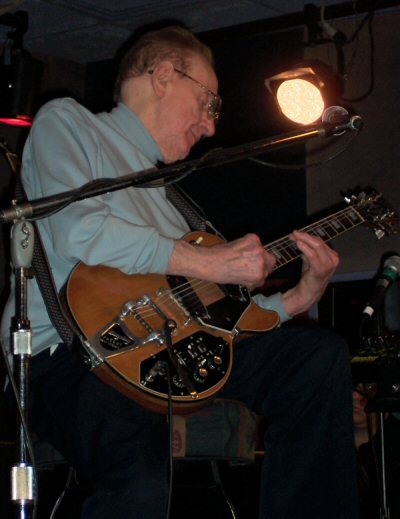
Eddy has said he was drawn to the sounds of Chet Atkins and Les Paul as a teenager before working out his own signature low-string "twang," developed in part because he was tired of hearing the same high-string rock and roll licks everyone else was playing.
listen for"Cannonball" keeps the melody down on the wound strings the way Atkins' fingerstyle records did, just simplified into single-note lines and pushed through tape echo instead of Atkins' cleaner Nashville tone.
Eddy has named Les Paul as an early inspiration, and producer Lee Hazlewood's layered, heavily echoed production on Eddy's records -- overdubbed saxophone, vocal-group "yells," and multiple echo chambers stacked on a single guitar line -- extended the multitrack, effects-forward studio approach Paul had pioneered a decade earlier.
listen forListen to how thickly produced "Peter Gunn" is under Eddy's simple guitar line -- saxophone, handclaps, and layered echo all stacked around it -- the same appetite for studio-built texture Paul first proved commercial on multi-tracked records like "Lover."
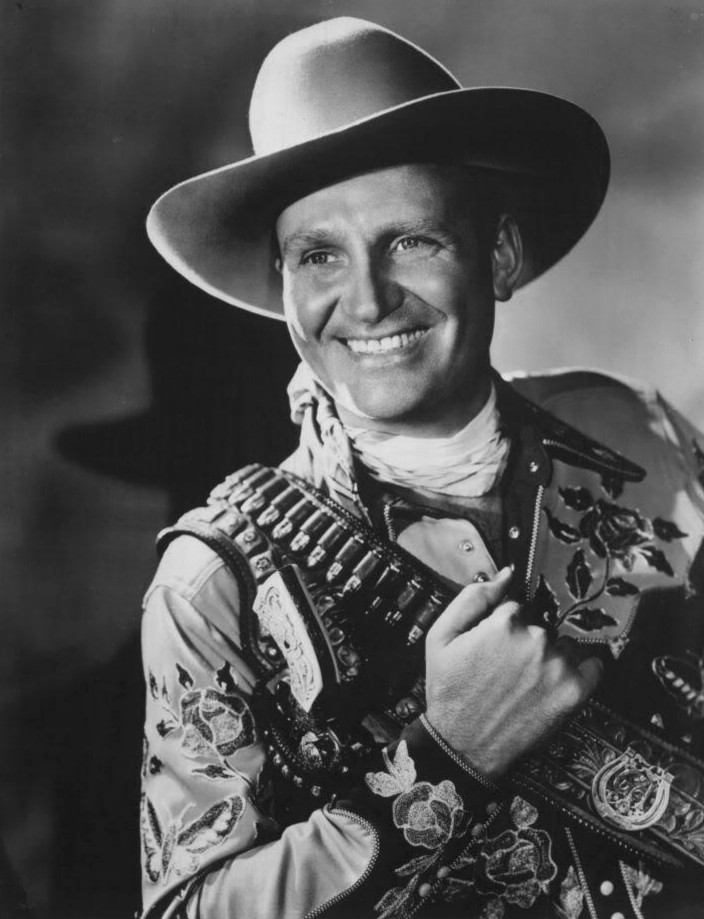
Eddy has said he first picked up a guitar at age five after hearing singing cowboy Gene Autry, and the open, western-plains quality of Autry's music stayed with him -- Eddy's records carry the same wide-open, cowboy-movie space, just filled with guitar twang instead of a singing voice.
listen for"Ramrod" leans into a loping, western gait and wide-open sonic space that echoes the singing-cowboy soundtracks Eddy grew up on, even though the sound itself -- tremolo guitar, sax, tape echo -- is pure 1958 rock and roll.