walking upstream…
Muddy Waters
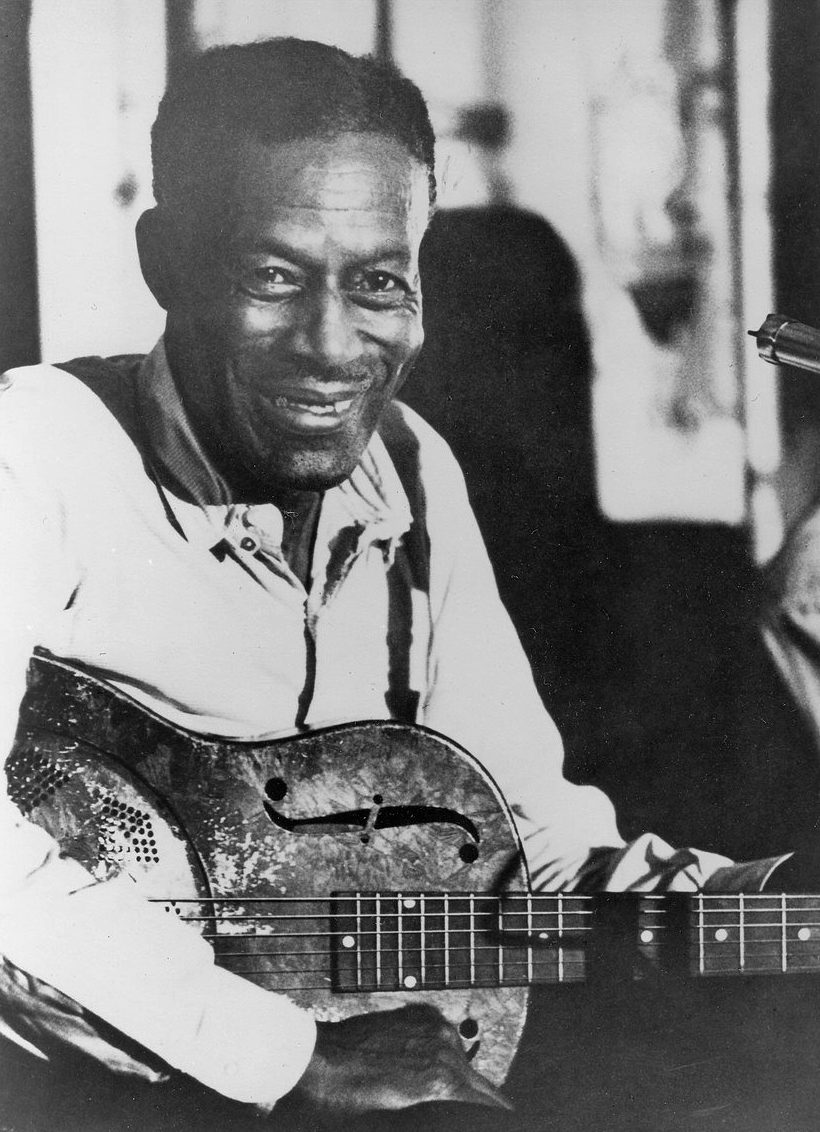
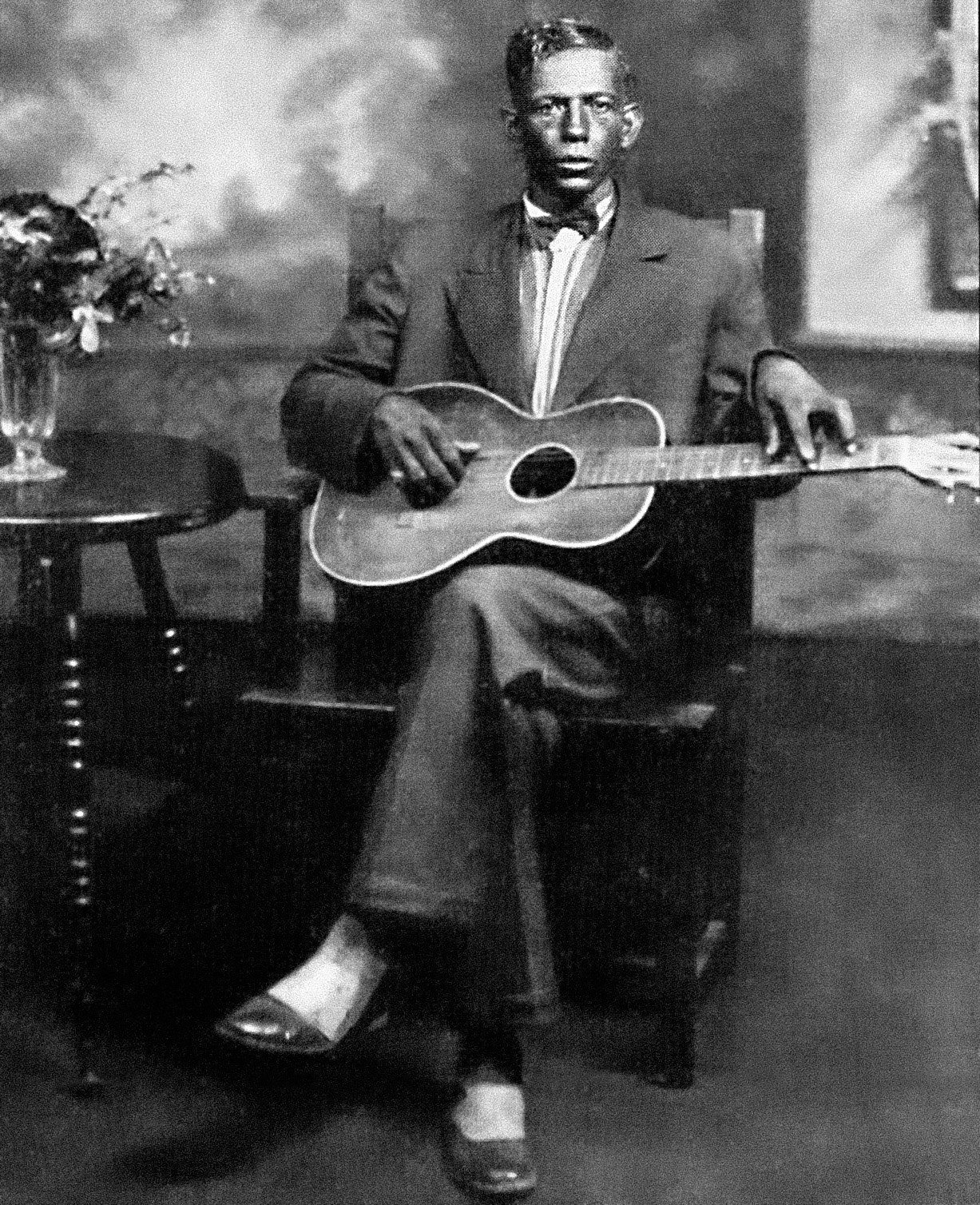
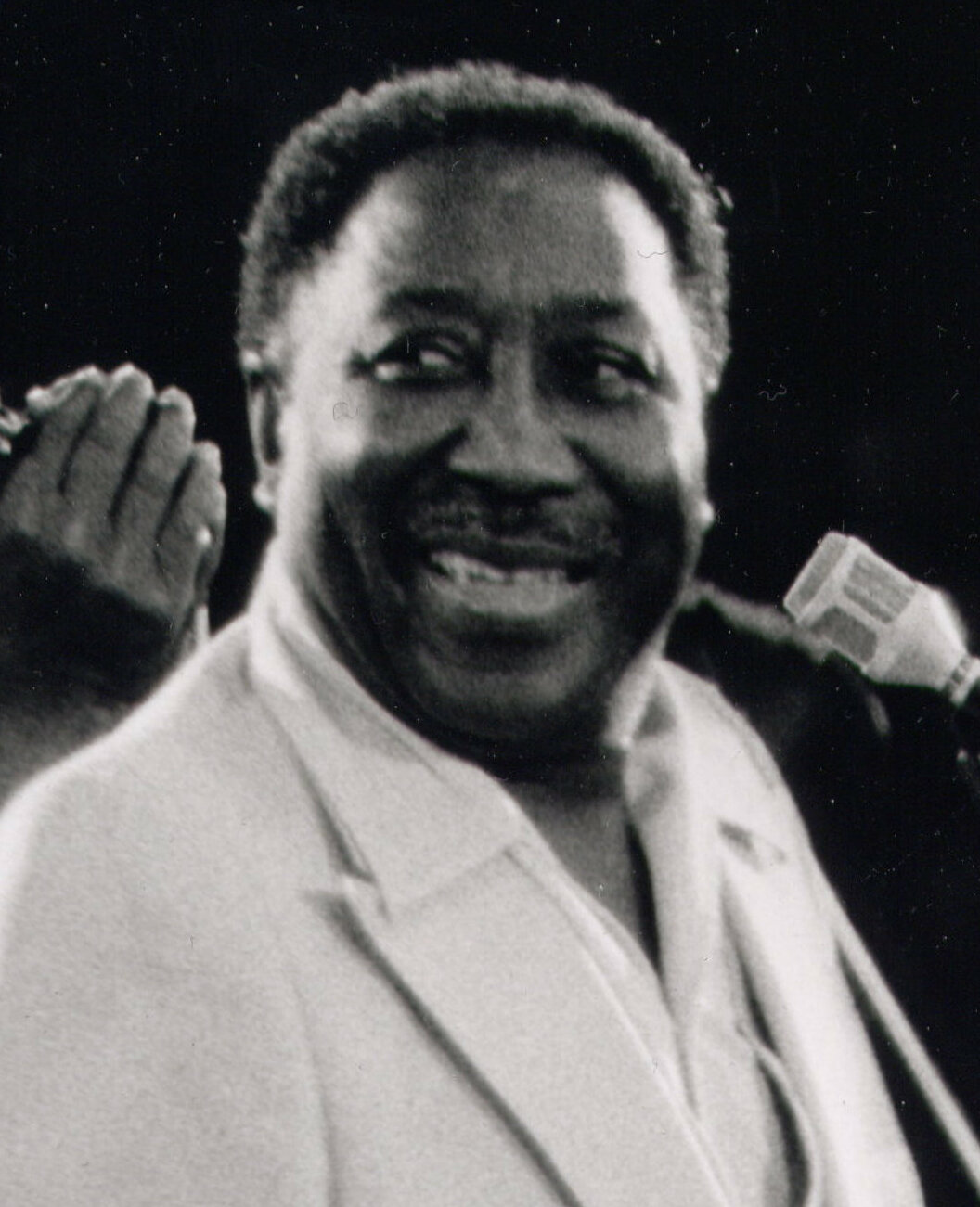 photo: jean-luc ourlin · cc by-sa 2.0 ↗
Muddy Waters
sourcesDon's Tunes — Muddy Waters quotes and recollections (bottleneck slide technique learned from Son House) · Smithsonian Magazine — Alan Lomax's legacy (the 1941 Stovall Plantation recording session) · American Blues Scene — Muddy Waters · Wikipedia — Muddy Waters (Peter Guralnick's comparison of House's and Johnson's influence; church-singing quote sourced to Szatmary, Rockin' in Time) · Mississippi Encyclopedia — Waters, Muddy (McKinley Morganfield) (Waters studying Charley Patton's showmanship) · Blues Chronicles — Charley Patton
On a Saturday afternoon in August 1941, the folklorist Alan Lomax found McKinley Morganfield driving a tractor on the Stovall Plantation near Clarksdale, Mississippi, and recorded him singing in his front room on a Presto machine cut into sixteen-inch discs. "Man, you don't know how I felt that Saturday afternoon, when I heard that voice and it was my own voice," Waters remembered. "I can do it." He'd been singing in church since childhood — "I got all of my good moaning and trembling going on for me right out of church," he said — but the Delta's blues guitarists taught him what to do with a room. Two years later he left for Chicago, plugged a borrowed amplifier into that same aching voice, and built the sound Chess Records sold to the world, a sound British rock bands later studied like scripture.
the sound in question
1954
(I'm Your) Hoochie Coochie ManMuddy Waters
walk the tributaries ↓
Son House1930s, 1960s revival · Delta blues
"Son House was the top man in my book," Waters said of the Delta guitarist he watched up close before he ever owned a guitar himself. "I always did like the bottleneck style, and he was the man doin' that then. And he had the kind of singing I liked, that preaching kind of singing." What he took wasn't just a technique but a whole physical method: "He used to have a neck of a bottle over his little finger, touch the strings with that and make them sing," Waters recalled. "That's where I got the idea from."
listen: upstream & heresource: Rolling Stone — Muddy Waters ↗
1930
Walking BluesSon House
1941
Country BluesMuddy Waters
listen forPut Son House's "Walking Blues" beside the version Waters cut for Alan Lomax at Stovall Plantation in 1941, credited simply as "Country Blues," and the debt is in the throat before it's in the fingers — the same preaching, half-shouted vocal riding over a single droning riff, the guitar answering each line rather than accompanying it. Waters slows House's tempo and thickens the tone, but the bottleneck's cry, sliding up into the vocal's own moan, is note-for-note the method House showed him on the plantation.
Robert Johnson1930s · Delta blues / Blues
House gave Waters his voice; Robert Johnson gave him his hands. "His thick heavy voice, the dark colouration of his tone, and his firm, almost solid, personality were all clearly derived from House," the historian Peter Guralnick wrote in Feel Like Going Home, "but the embellishments, which he added, the imaginative slide technique and more agile rhythms, were closer to Johnson." Waters himself refused to rank them: asked by Lomax in 1941 whether House played better than Johnson, he answered, "I think they're both about equal."
listen: upstream & here
1936
Walkin' BluesRobert Johnson
1950
Walkin' BluesMuddy Waters
listen forJohnson's 1936 "Walkin' Blues" moves in quick, angular slide runs that dart around the beat; Waters's own 1950 Chess recording of the same song, his first single, keeps Johnson's words but drags the slide into something heavier and more deliberate, each note held a beat longer and driven by an electric hum Johnson never had. The rhythmic agility is Johnson's; the weight Waters adds on top of it is his own.
Charley Patton1920s-30s · Delta blues
"Charley Patton? He had so much showmanship in his thing, all this wild clownin' with the guitar, and he could holler!" Waters said. "Ooh, what a voice." Patton lived down the road on the Dockery Plantation, and according to the Mississippi Encyclopedia, "Waters also studied the showmanship skills of Charley Patton" as closely as he studied anyone's guitar playing. The blues history site Blues Chronicles traces the whole arc: Waters grew up on Patton and Son House in the Delta, then carried their sound north to Chicago and plugged it in.
listen: upstream & heresource: Rolling Stone — Muddy Waters ↗
1929
Pony BluesCharley Patton
1948
I Can't Be SatisfiedMuddy Waters
listen forPatton's 1929 "Pony Blues" is built from one hammering riff and a shout that seems to fight the guitar for space; Waters's 1948 "I Can't Be Satisfied" keeps that same one-riff structure and the same shouted urgency, but runs it through an amplifier until the slide guitar squeals and distorts where Patton's was purely acoustic percussion. The showmanship Waters admired in Patton becomes, electrified, something closer to menace.