walking upstream…
Buddy Guy
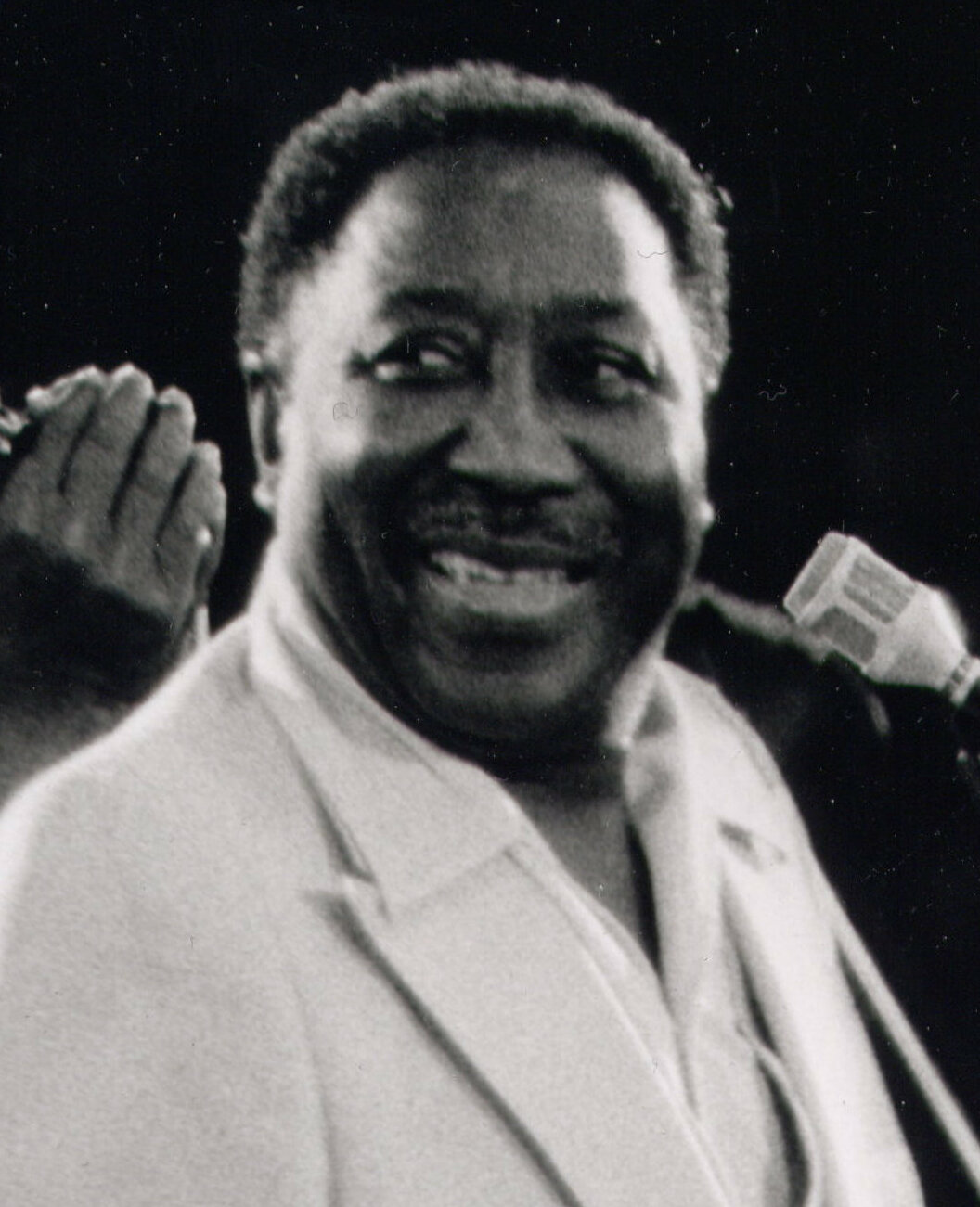

 photo: tom beetz · cc by 2.0 ↗
Buddy Guy
sourcesWikipedia — Buddy Guy (lead, biographical timeline) · Guitar Player — Buddy Guy on the players who inspire him (the Muddy Waters/John Lee Hooker records vs. guitar-class story) · The New Yorker — "Buddy Guy Is Keeping the Blues Alive" (biography, the Guitar Slim show in Baton Rouge) · Rolling Stone — "Buddy Guy Sets the Record Straight With New Book" (Muddy Waters quotes, the Chess distortion dispute) · Rolling Stone — Buddy Guy on his first meeting with John Lee Hooker (from the PBS American Masters documentary) · The Advocate — Buddy Guy on a Louisiana historical marker (bio quote)
George 'Buddy' Guy grew up sharecropping outside Lettsworth, Louisiana, and built his first guitar from wire pulled off a window screen because a real one was out of reach. He arrived in Chicago in September 1957 hungry and unknown; within weeks Muddy Waters had taken him in, and Guy became a fixture at Chess Records sessions. Chess's own producers thought his feedback-courting guitar tone was just noise and kept it off his records for years — "they told me I was just making noise," he said — even as the sound fed a generation of British guitarists he'd later hear covering him. He spent two decades as Chicago's most influential sideman before 1991's 'Damn Right, I've Got the Blues' finally made him a headliner on his own terms.
the sound in question
1991
Damn Right, I've Got the BluesBuddy Guy
walk the tributaries ↓
Muddy Waters1950s · Chicago blues / Electric blues / Delta blues
Word reached Muddy Waters that a hungry unknown was playing guitar at Chicago's 708 Club, so he came to see for himself, then drove Guy off in his red station wagon and bought him a bologna sandwich — "I heard you were telling people you're hungry," Waters said. "So I got fed by the Mud," Guy has said, and the feeding continued for years as Waters brought him into Chess sessions where a young guitarist could actually learn. "I didn't work with him," Guy explains. "I was in class." What he absorbed there was Waters's slide-born vocabulary — bent, vocal-like single notes standing in for a whole verse.
listen: upstream & heresource: Guitar Player — "When Buddy Guy Met Muddy Waters" (Muddy Waters, Guitar Slim, and John Lee Hooker anecdotes) ↗
1954
(I'm Your) Hoochie Coochie ManMuddy Waters
1970
(I'm Your) Hoochie Coochie ManBuddy Guy
listen forWaters's 1954 "(I'm Your) Hoochie Coochie Man" rides Willie Dixon's stop-time riff on a bed of amplified slide, each phrase left to hang and rattle before the next one lands. Guy's own recording of it, cut sixteen years later with fellow bluesmen Junior Wells and Junior Mance on Buddy and the Juniors, keeps that same stop-time skeleton but strips the arrangement down further, guitar and voice trading the same bent, vocal-like phrasing Guy picked up watching Waters from a corner of the studio.
Guitar Slim1950s · Rhythm and blues / Electric blues / New Orleans blues
In Baton Rouge, Guy heard an electric guitar playing before he could find the player — Guitar Slim was working the crowd on a cord that tellings put anywhere from a hundred to three hundred feet long, hair dyed to match his red suit, carried through the room on a roadie's back. "I want to play like B.B. King," Guy decided that night, "but I want to act like Guitar Slim." The showmanship stuck — the entrances, the walking-the-crowd theatrics, and a guitar tone pushed hot enough to distort, years before Chess would let him put that sound on record.
listen: upstream & heresource: Guitar Player — "When Buddy Guy Met Muddy Waters" (Muddy Waters, Guitar Slim, and John Lee Hooker anecdotes) ↗
1953
The Things That I Used to DoGuitar Slim
1979
The Things I Used to Do (Live at the Checkerboard Lounge)Buddy Guy
listen forSlim's 1953 original "The Things That I Used to Do" barely warns you: a quiet turnaround, then a scalding, overdriven solo that reportedly blew studio amplifiers of the era. Guy cut his own version live at his own Chicago club, the Checkerboard Lounge, in 1979, looser and longer, but the trick is identical — hold back, then detonate, guitar tone pushed past clean until it snarls the way Slim's did that night in Baton Rouge.
John Lee Hooker1950s · Delta blues / Electric blues / Boogie
Long before he met him, Guy owned a John Lee Hooker record and taught himself "Boogie Chillen'" by ear on a homemade two-string guitar — the first song, he's said, that he ever fully learned. He has placed his first meeting with Hooker on both a European package tour and a Southern swing with Big Mama Thornton in different retellings; either way, he sat in a corner playing that same song on an acoustic guitar to get Hooker's attention. "I'm John Lee, boy!" Hooker told him, laughing, and Guy has called him his best friend from that day on.
listen: upstream & heresource: Guitar Player — "When Buddy Guy Met Muddy Waters" (Muddy Waters, Guitar Slim, and John Lee Hooker anecdotes) ↗
1948
Boogie Chillen'John Lee Hooker
1981
Boogie Chillen'Buddy Guy
listen forHooker's 1948 "Boogie Chillen'" never leaves one droning riff, the guitar working as a talking, stomping pulse under his voice rather than moving through chord changes. More than three decades later, on tour with Junior Wells in Paris, Guy sat down with an acoustic guitar and cut that same riff almost note for note on Alone & Acoustic — proof the teenager teaching himself off a record in rural Louisiana had gotten the whole lesson right.