walking upstream…
Curtis Mayfield
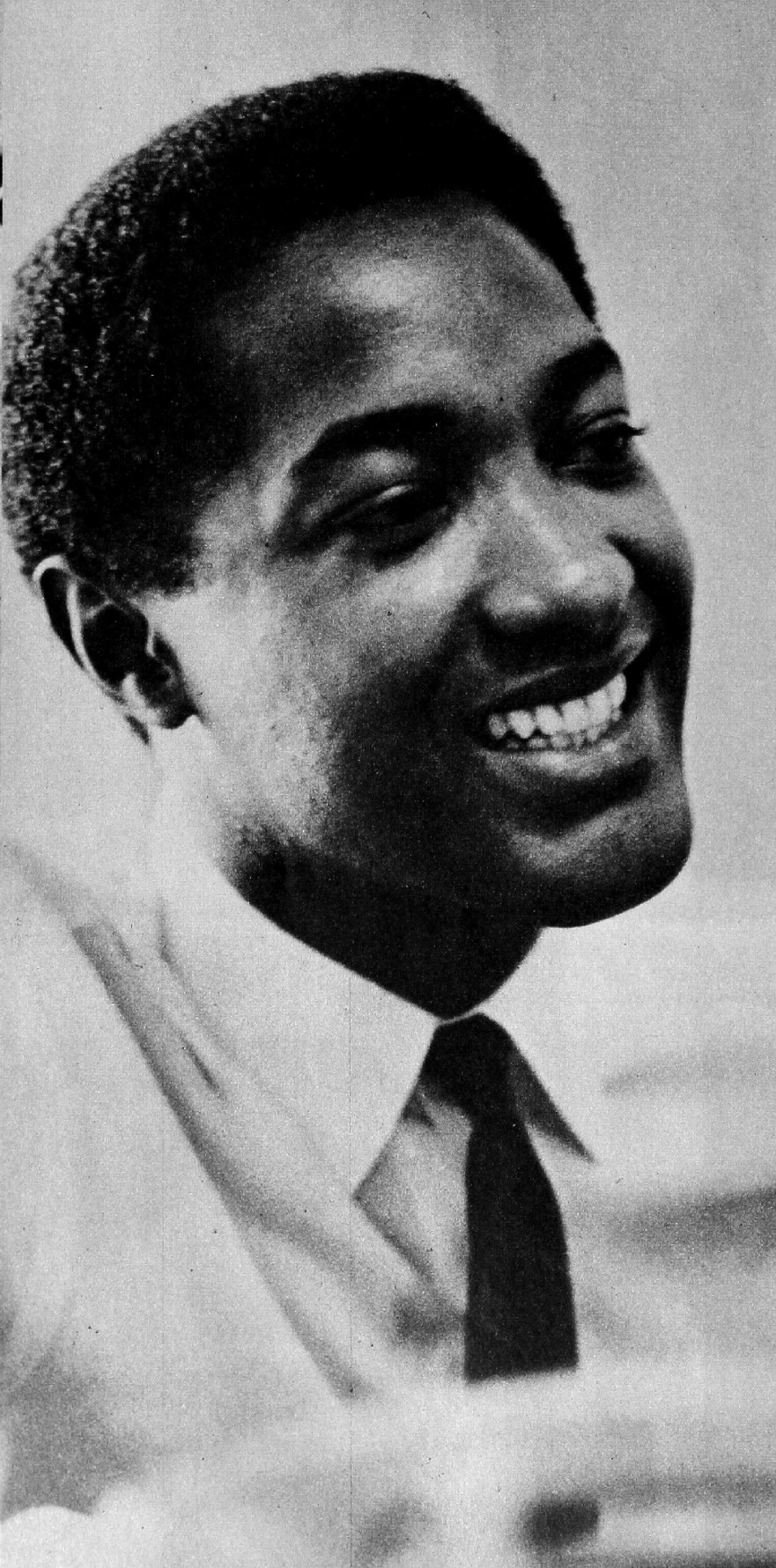
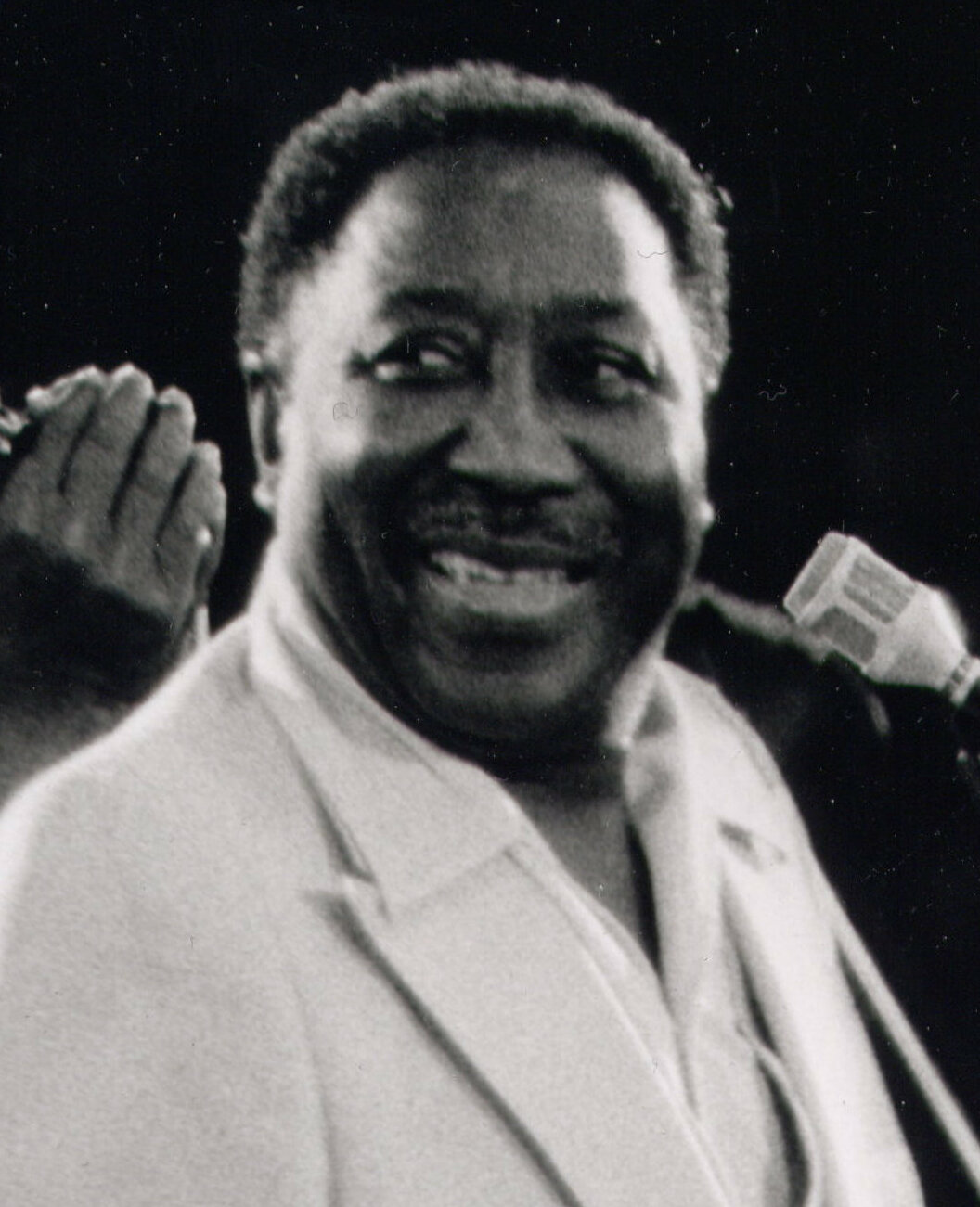

 photo: avro · public domain ↗
Curtis Mayfield
sourcesWikipedia · Britannica · WBEZ
Curtis Mayfield came up singing gospel on Chicago's North Side before he was a teenager, then spent the 1960s writing and singing the Impressions' catalog of church-inflected soul anthems that doubled as civil-rights hymns. As a solo artist in the 1970s he turned harder and funkier without losing the falsetto or the moral seriousness, scoring the era-defining Super Fly soundtrack and running his own label, Curtom, at a time when almost no Black artists controlled their own masters.
the sound in question
1970
Move On UpCurtis Mayfield
walk the tributaries ↓
Sam Cooke1960s · Soul / R&B / Gospel
Cooke and Mayfield came up a few years apart in Chicago's overlapping gospel-choir and doo-wop scene, and Cooke's 1957 leap from the Soul Stirrers to the pop charts with ‘You Send Me’ proved a gospel-trained voice could cross over on its own terms — a template Mayfield followed a few years later in steering the Impressions from doo-wop harmony toward a smoother, church-rooted soul sound.
listen: upstream & here
1957
You Send MeSam Cooke
1961
Gypsy WomanCurtis Mayfield
listen forCue Cooke's aching, unhurried delivery on ‘You Send Me’ next to Mayfield's own high, keening lead on ‘Gypsy Woman’ — both singers keep the phrasing conversational and the tone impossibly smooth, letting melisma do the work gospel testifying usually did.
Muddy Waters1950s · Chicago blues / Electric blues / Delta blues
Mayfield grew up admiring Muddy Waters; the amplified, unhurried blues shout Waters perfected on Chicago's South Side gave Mayfield's heavier solo-era productions — grittier and less afraid of distortion than his Impressions years — a texture to draw on.
listen: upstream & here
1954
Hoochie Coochie ManMuddy Waters
1970
(Don't Worry) If There's a Hell Below We're All Going to GoCurtis Mayfield
listen forSet Waters's raw, amplified ‘Hoochie Coochie Man’ against the fuzzed-out bass and wah guitar of ‘(Don't Worry) If There's a Hell Below We're All Going to Go’ — both ride a thick, electric blues stomp under a vocal that reads more as warning than invitation.
Andrés Segovia1920s–60s · Classical / Classical Guitar
Mayfield also named the classical guitarist Andrés Segovia among his childhood touchstones — an unusual reference for a self-taught soul guitarist, but one that surfaces in the unhurried, fingerstyle delicacy of his quieter solo ballads, a world away from the wah-pedal funk he's better known for.
listen: upstream & here
1939
Recuerdos de la AlhambraAndrés Segovia
1970
The Makings of YouCurtis Mayfield
listen forSegovia's tremolo-picked ‘Recuerdos de la Alhambra’ and Mayfield's ‘The Makings of You’ both let a single guitar carry the whole emotional weight of the arrangement — spare, intimate, and picked rather than strummed.