walking upstream…
Electric Light Orchestra

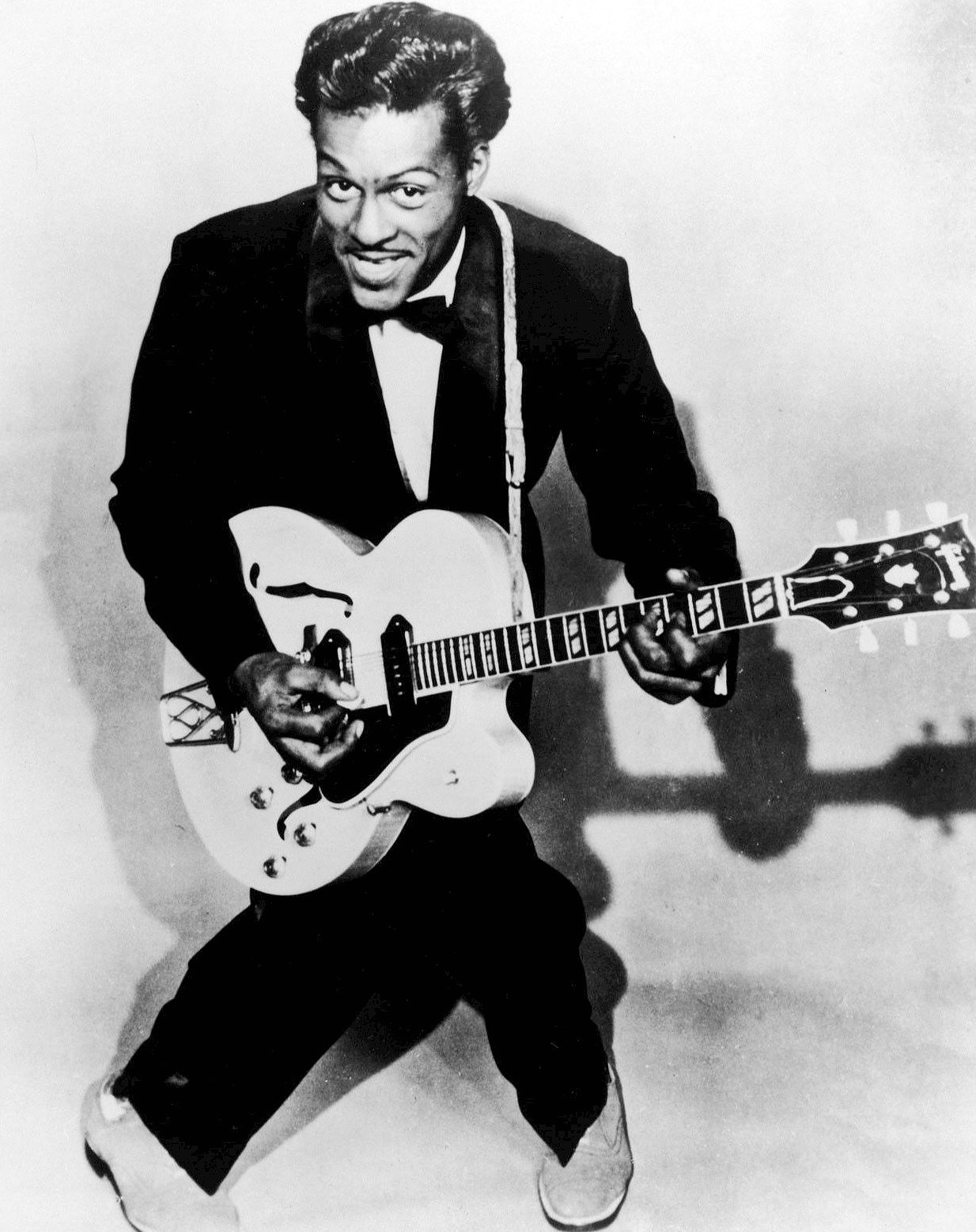

 photo: united artists records and tapes · public domain ↗
Electric Light Orchestra
Formed in Birmingham in 1970 by Jeff Lynne and Roy Wood as a spin-off from their band the Move, Electric Light Orchestra set out to bolt cellos and violins onto rock arrangements, chasing a sound Lynne described as picking up where the Beatles' orchestral experiments left off. After Wood's early departure Lynne steered the group through the 1970s into a Beatles-scaled hit machine, stacking layered vocal harmonies, string sections, and vocoder effects into a run of singles that made ELO one of the biggest album-chart acts of the decade.
the sound in question
1977
Mr. Blue SkyElectric Light Orchestra
walk the tributaries ↓
The Beatles1960s · Rock / Pop / Rock and roll
Lynne has said his whole concept for ELO was to carry on from the cello-and-strings experiments of the Beatles' psychedelic period, effectively building a rock band with a permanent orchestra bolted on rather than treating strings as a one-off studio trick.
listen: upstream & here
1967
I Am the WalrusThe Beatles
1972
10538 OvertureElectric Light Orchestra
listen forHear how the cello lines in 'I Am the Walrus' swirl and stab around the beat, then listen to '10538 Overture' do the same thing as the hook itself, not an ornament, with a heavily overdubbed cello riff driving the entire track.
Chuck Berry1950s · Rock and roll / Rhythm and blues
ELO's eight-minute reworking of Berry's 'Roll Over Beethoven' on 1973's ELO 2 became one of the band's signature numbers and closed most of their live shows for years, splicing Beethoven's Fifth Symphony into Berry's original riff as a literal statement of the band's rock-meets-classical mission.
listen: upstream & here
1956
Roll Over BeethovenChuck Berry
1973
Roll Over BeethovenElectric Light Orchestra
listen forBerry's original is a lean, guitar-driven rock and roll shuffle; ELO stretches the same chord changes and vocal hook into an extended suite that quotes Beethoven's Fifth on strings before and after the song proper, turning a three-minute rock and roll single into an orchestral showpiece.
Roy Orbison1960s · Rock and roll / Pop / Rockabilly
Lynne has described hearing Orbison's 'Only the Lonely' as a teenager and being floored by how dramatic and operatic a rock and roll single could be, well beyond the guitar-solo norms of the day; that taste for outsized, almost classical-pop drama stuck with him.
listen: upstream & heresource: Far Out Magazine — Jeff Lynne on hearing Roy Orbison's 'Only the Lonely' as a formative influence ↗
1960
Only the LonelyRoy Orbison
1976
Telephone LineElectric Light Orchestra
listen forOrbison builds 'Only the Lonely' from a hushed verse into a swelling, almost orchestral wall of vocal harmony and strings; ELO's 'Telephone Line' does the same slow-burn trick, opening spare and lonesome before its aching, multi-tracked falsetto bridge blooms into full orchestration.