walking upstream…
Roy Orbison

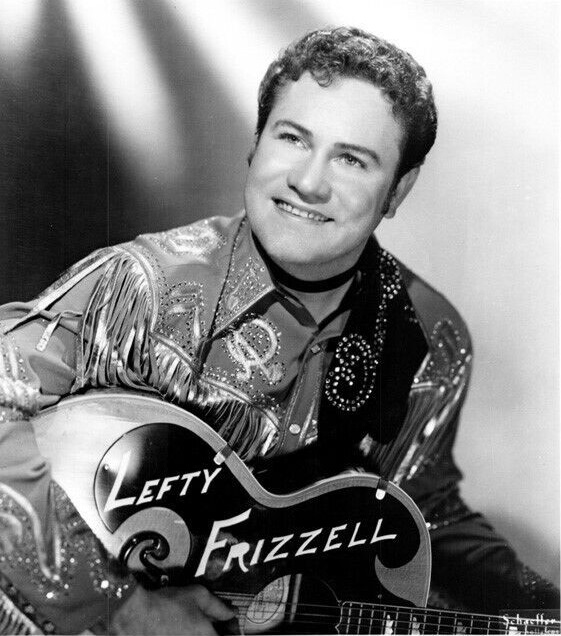
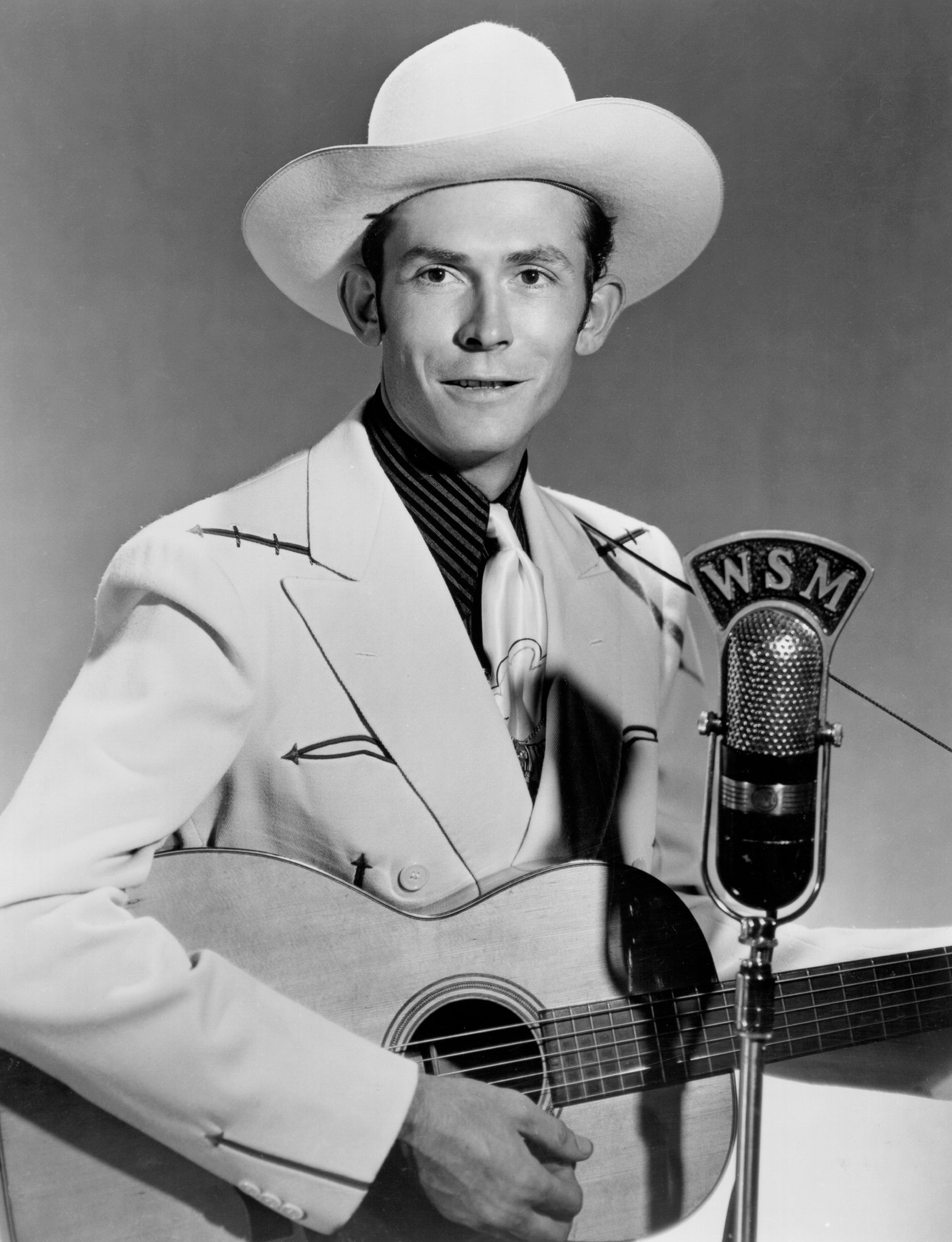
 photo: monument records · public domain ↗
Roy Orbison
sourcesRolling Stone — "Roy Orbison's Triumphs and Tragedies" (bio, voice, Sun Records years) · elvis.com.au — "Roy Orbison talks about Elvis Presley and 'Only The Lonely'" (Elvis Presley influence, 1980 interview) · The Cheat Sheet — "1 Elvis Song Convinced Roy Orbison to Become a Singer" (Elvis Presley influence, secondary confirmation) · uDiscover Music — "'Milestones'
Roy Orbison was born April 23, 1936, and raised in the oil town of Wink, Texas, which he remembered flatly: "it was macho guys working in the oil field, and football, and oil and grease and sand" — "no mysteries in Wink." His father handed him a guitar at six; by thirteen he'd formed a western-swing band that became the rockabilly outfit the Teen Kings. He signed to Sam Phillips's Sun Records in 1956, then reinvented himself in Nashville, building an operatic "trademark sound" with Monument Records producer Fred Foster that carried 22 Top 40 singles between 1960 and 1966. Personal tragedy slowed him but never stopped him; a 1987 Hall of Fame induction and the Traveling Wilburys revived his career before a heart attack killed him in December 1988, weeks after he finished the comeback album Mystery Girl.
the sound in question
1964
Oh, Pretty WomanRoy Orbison
walk the tributaries ↓
Elvis Presley1950s–70s · Rock and roll / Rockabilly / Pop / Gospel
Orbison always named the moment precisely. Weighing whether to quit college for music, he heard a jukebox record: "what convinced me that I was in the wrong place at the wrong time was I heard a record by a young fellow... called 'That's All Right,'" he said, of Elvis Presley's Sun debut. Orbison reformed his band, chased Presley to the same Memphis label, and decades later still paired the two records in his memory: "Presley started singing 'That's All Right,' and I started singing 'Ooby Dooby' onstage."
listen: upstream & heresource: Rolling Stone — "Roy Orbison's Triumphs and Tragedies" (Elvis Presley influence, 1988 interview) ↗
1954
That's All RightElvis Presley
1956
Ooby DoobyRoy Orbison
listen forBoth records carry Sun engineer Sam Phillips's slapback tape echo, a sliver of delay trailing every vocal line. Presley's take on Arthur Crudup's blues gallops loosely behind the beat, all nerve and improvisation. Orbison's "Ooby Dooby," cut in the same studio two years later, keeps that nervous rockabilly tempo but tightens the frame — a hiccupping vocal stutter, a snapped-tight backbeat built for the jukebox that changed his mind. It's the sound of a teenager deciding, mid-song, exactly what kind of singer to become.
Lefty Frizzell1950s · Honky-tonk / Country
Of the honky-tonk singers Orbison grew up on — Wills, Rodgers, Ernest Tubb — biographers single out Lefty Frizzell as the one who left the deepest mark on his phrasing, a debt Orbison never explained in an interview but did act on: choosing a stage name for the Traveling Wilburys in 1988, he picked "Lefty," after Frizzell, and kept it. Frizzell's trademark was a note held and bent "all the way down" instead of released clean — the same instinct that would define Orbison's most operatic ballads more than a decade after he first heard it.
listen: upstream & heresource: Stone Cold Country — "Remembering Lefty Frizzell ↗
1951
Always Late (With Your Kisses)Lefty Frizzell
1961
CryingRoy Orbison
listen forFrizzell never cuts a syllable short — "always" stretches and dips before it lands, sung behind the beat like he's reluctant to let the word go. Orbison never covered Frizzell directly, but "Crying" is built on the same refusal: he holds the title word past where a pop ballad would resolve it, bending it upward instead of down until it breaks into the falsetto that made the record a hit. The kinship is in the patience, not the notes.
Hank Williams1940s-50s · Country / Honky-tonk
Williams was one of the country records young Orbison grew up on, alongside Bob Wills and Jimmie Rodgers, but the debt turned explicit in August 1970, when Orbison spent a session cutting an entire covers album, Hank Williams: The Roy Orbison Way — five Williams songs recorded the same day, no critical alibi offered. uDiscover Music later described the record as Orbison "hitting the early 1970s head-on, choosing great material to interpret" after a decade of pop hits. It sold poorly and was mostly forgotten, but the choice said what Orbison never put into an interview: Williams was foundational, not incidental.
listen: upstream & heresource: uDiscover Music — "Roy Orbison" artist page (Hank Williams influence, career overview) ↗
1949
I'm So Lonesome I Could CryHank Williams
1970
I'm So Lonesome I Could CryRoy Orbison
listen forWilliams sings it plain — a lone steel guitar, a voice cracking on "lonesome" like it's the first time he's said the word aloud. Orbison's 1970 version keeps Williams's words and melody untouched but reroutes the delivery through his own instrument: strings swell where Williams left silence, and the aching high note he holds on "cry" is the same operatic climb that built "Crying" a decade earlier — proof he could inhabit someone else's sad song without losing his own voice inside it.