walking upstream…
Boston


sourcesWikipedia
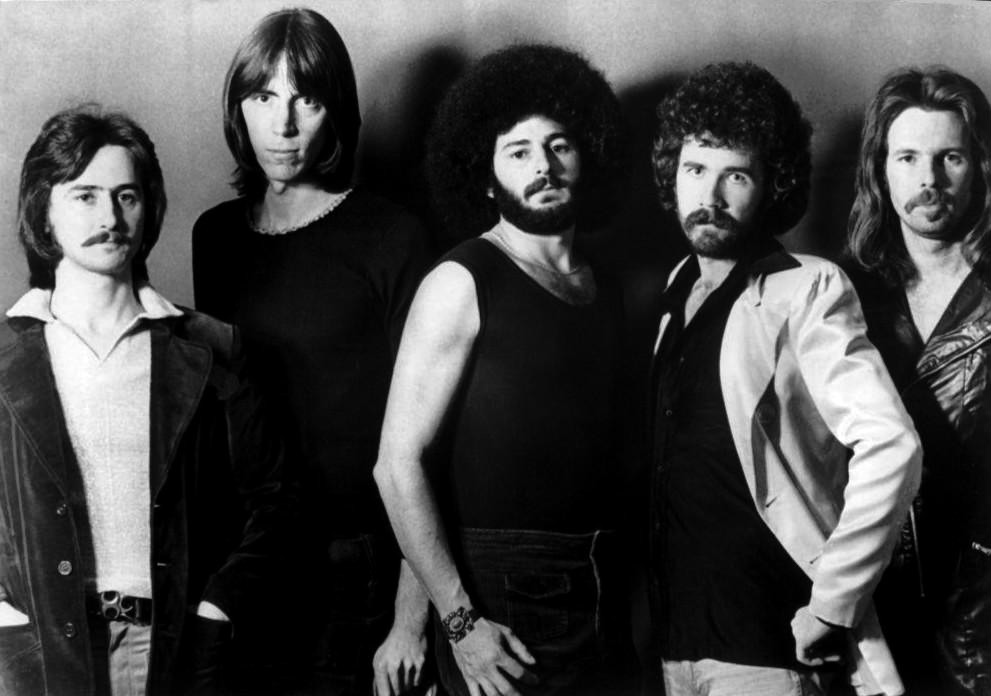
Boston began in the basement of an MIT-trained engineer with no interest in a music career: Tom Scholz, working by day at Polaroid, spent years multitracking guitar parts on homemade equipment before singer Brad Delp's soaring tenor gave the songs a voice. Their self-titled 1976 debut — built almost entirely from Scholz's demos — became one of the best-selling debut albums in American rock history, its towering, harmonized guitar sound defining a new arena-rock template overnight. The follow-up, 'Don't Look Back,' extended the run, but Scholz's perfectionism and a bitter lawsuit with CBS stretched the gaps between albums into years and then decades. Delp's 2007 death ended the band's classic lineup, but Scholz kept Boston active as a recording and touring concern well into the 2010s.
the sound in question
1976
More Than a FeelingBoston
walk the tributaries ↓
Todd Rundgren1970s · Power pop / Progressive rock
Scholz has called Todd Rundgren "without question one of my biggest influences as an arranger," identifying 'I Saw the Light' as the first record where he ever heard a harmony electric guitar part. That discovery — two guitar lines moving together in harmony rather than doubling in unison — became the technical seed for the layered "guitar army" sound Scholz would spend years engineering in his basement studio.
listen: upstream & heresource: Louder ↗
1972
I Saw the LightTodd Rundgren
1976
More Than a FeelingBoston
listen forCompare the harmonized guitar lines lifting the verses of 'I Saw the Light' with the towering intro and solo of 'More Than a Feeling' — both stack two guitars playing a melody in harmony rather than in unison, turning a simple figure into something that rings like a small chorus of instruments.
Led Zeppelin1970s · Hard rock / Blues rock
Scholz has pointed to one specific ten-second passage as formative: Jimmy Page's brief harmony guitar part on 'How Many More Times,' from Led Zeppelin's 1969 debut. "I wore that 10 seconds of vinyl out on my Led Zeppelin album almost immediately," he said, pairing it with the Rundgren discovery as the two pieces of evidence — "totalling 20 seconds" — that convinced him harmonized lead guitar was "what I wanted to do."
listen: upstream & here
1969
How Many More TimesLed Zeppelin
1976
Foreplay/Long TimeBoston
listen forListen for Page's fleeting harmony line inside 'How Many More Times,' then hear it stretched into a full instrumental architecture on 'Foreplay/Long Time' — Boston's extended dual-guitar solo section takes Page's ten-second idea and builds an entire showcase around it.
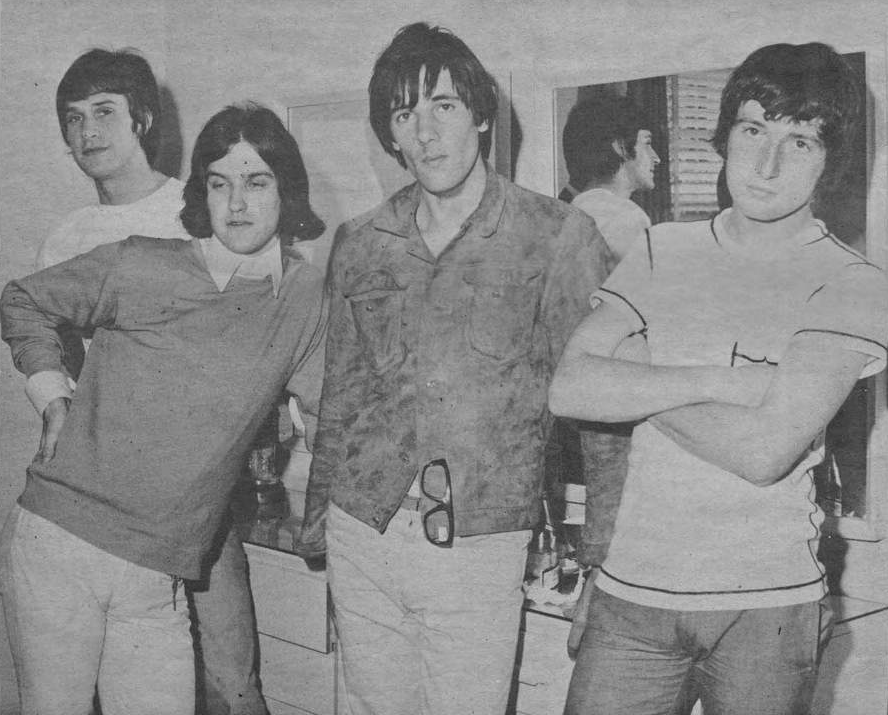
The Kinks1960s–70s · Rock / British Invasion / Music hall
Scholz has traced his entire path into rock and roll to one specific jolt: hearing Dave Davies's fuzzed-out riff on 'You Really Got Me.' "When I heard the Kinks, that was it!" he recalled, naming them alongside the Yardbirds and the Animals as the bands that first hooked him on guitar rock, and singling out Davies as "mind-blowing" and "way ahead of his time" — a player who "set me on a whole different path in my life." That raw, distorted, riff-first urgency sits underneath even Boston's most polished arena anthems.
listen: upstream & heresource: thirdstage.ca ↗
1964
You Really Got MeThe Kinks
1976
Rock & Roll BandBoston
listen forSet 'You Really Got Me' against 'Rock & Roll Band' — both ride a stomping, heavily distorted riff built to be played loud, trading the Kinks' garage-rock grit for Boston's thicker, multi-tracked wall of guitars while keeping the same blunt, riff-first attack.