walking upstream…
The Kinks


sourcesMojo — Ray Davies naming Chet Atkins and Big Bill Broonzy as his songwriting heroes · British Blues Archive — track-by-track history of the Kinks' 1964 debut LP, including the two Chuck Berry covers, and drummer John Start on Ray's Broonzy listening habits · The Independent — Dave Davies on inventing the distorted guitar sound of "You Really Got Me"
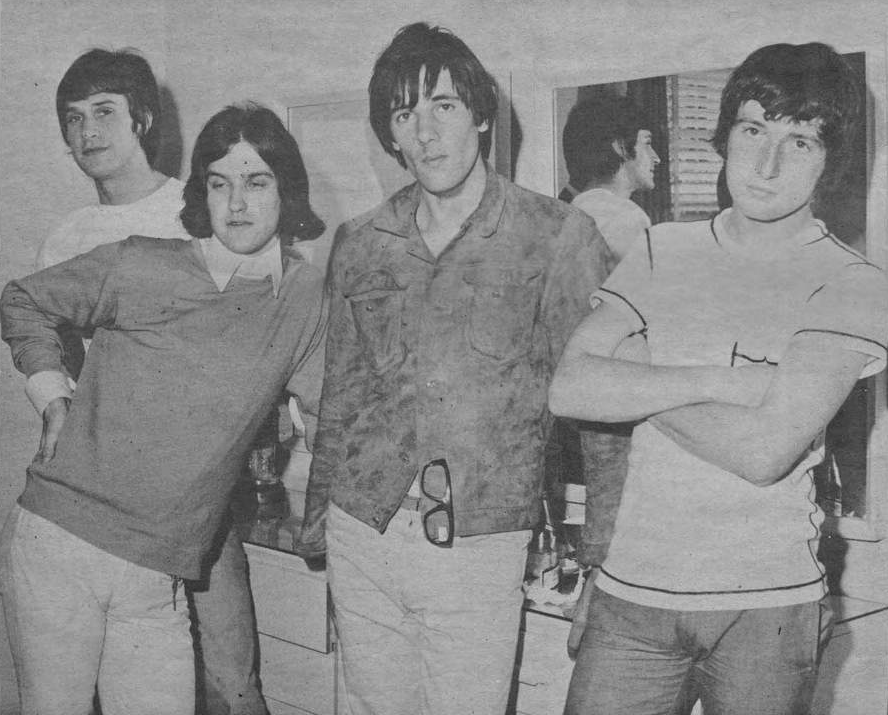
"Think of 'You Really Got Me' without that crunch and tone, which I did invent, even if I was just a crazy kid with a guitar, a cheap amp and a razor blade," Dave Davies said of the sound he built by slashing his amplifier's speaker cone in the family's Muswell Hill front room in 1964. It made two teenage brothers into hitmakers overnight and, more or less, invented the guitar sound entire genres would later be built on. Ray Davies, the band's songwriter, quickly steered past that raw blueprint into miniature, ironic portraits of English class and nostalgia — The Village Green Preservation Society, Arthur, "Waterloo Sunset" — while Dave's guitar stayed planted in the gutter. Commercially undervalued against their British Invasion peers for years, The Kinks became one of rock's most quietly foundational bands, remembered now as much for what they caused as for what they recorded.
the sound in question
1964
You Really Got MeThe Kinks
walk the tributaries ↓
Chuck Berry1950s · Rock and roll / Rhythm and blues
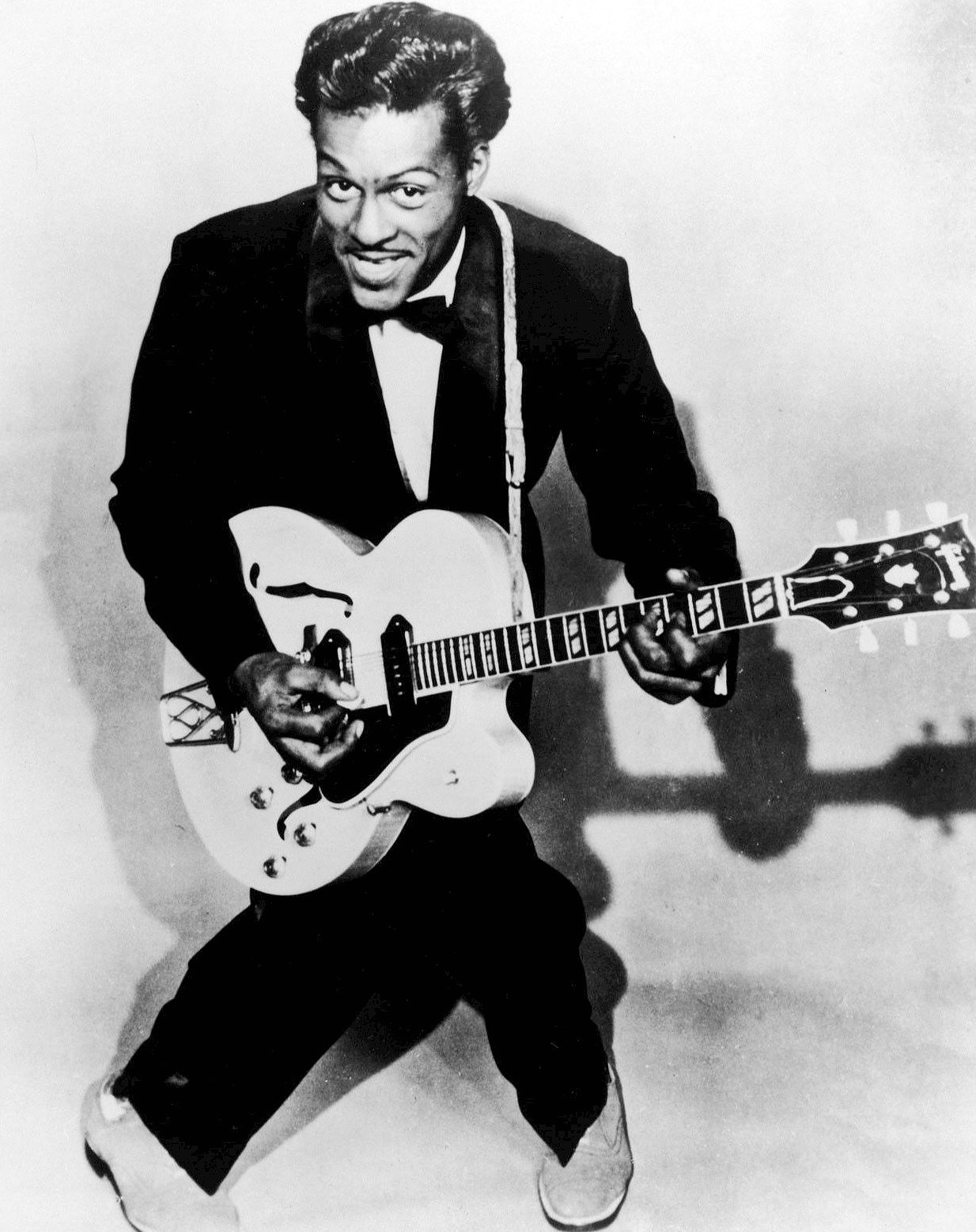
Dave Davies has never hedged about this one: Chuck Berry, he told Classic Rock in 2011, "was the key to everything that happened in the '60s." It wasn't just talk — two Chuck Berry covers anchor the Kinks' 1964 debut LP, "Beautiful Delilah" and "Too Much Monkey Business," Dave singing lead on the first, Ray double-tracked on the second. Years later Dave finally met his hero at an airport in Atlanta and, by his own account, was "completely in awe of him" — swagger and all, down to Berry's brogues.
listen: upstream & heresource: Classic Rock (via Louder) — Dave Davies on Chuck Berry as "the key to everything" and picking up a guitar because of Eddie Cochran ↗
1958
Beautiful DelilahChuck Berry
1964
Beautiful DelilahThe Kinks
listen forBerry's original rides a clean, loping shuffle, his guitar answering his own vocal line with the unhurried confidence of a Chess single. The Kinks' 1964 cover keeps Berry's chords but flattens the swing into something faster and rawer, Dave singing lead with more nerve than polish while the band pushes through the changes like it can't wait to get back to its own songs. It's the earliest evidence on tape of the same urgency Dave would soon detonate into something entirely his own.
Big Bill Broonzy1930s-40s · Chicago blues / Country blues / Folk blues
Ray Davies named Big Bill Broonzy one of his two songwriting "heroes," and when he explained where "You Really Got Me" actually came from, he got specific: "girl, you really got me going... it's that to a Big Bill Broonzy phrase, which is basically G-7," he told NPR — a teenage blues chord filtered through a choirboy's memory of Gregorian chant. The band's pre-fame drummer, John Start, backs up how deep the habit ran: "Ray was very into blues & R&B, Sonny Boy Williamson & Big Bill Broonzy." No specific Broonzy record survives as the named source; Ray pointed at a feeling, not a title.
listen: upstream & heresource: NPR Fresh Air — Ray Davies on the Big Bill Broonzy chord behind "You Really Got Me" and Dave's Eddie Cochran-caught vocal energy ↗
1952
Hey HeyBig Bill Broonzy
1964
You Really Got MeThe Kinks
listen forNo specific Broonzy title survives as Ray's model, so cue up "Hey Hey," one of his best-known boogie sides, as a representative stand-in: the song barely moves off one insistent chord, all its tension riding on Broonzy's rhythm hand and plainspoken voice. "You Really Got Me" takes that same one-chord-vamp trick and detonates it — the riff repeats just as stubbornly, but Dave Davies' slashed amplifier turns insistence into menace, and the key change halfway through, a shift Ray called "quite revolutionary" at the time, is the one piece of the puzzle Broonzy never needed.
Eddie Cochran1950s · Rock and Roll / Rockabilly
For Dave Davies, Eddie Cochran isn't an influence so much as an origin story. "I probably would never have picked up a guitar if it hadn't been for Eddie Cochran," he told Classic Rock — the single most foundational claim either brother made about their teenage years, and one with no recording to back it: no Kinks cover of a Cochran song survives. Ray corroborates it from the outside: when Dave sang lead as a teenager, on "the Eddie Cochran parts," there was "an energy in Eddie Cochran's playing and singing that Dave really caught well" — Cochran gave Dave a voice before Chuck Berry gave him a riff.
listen: upstream & heresource: Classic Rock (via Louder) — Dave Davies on Chuck Berry as "the key to everything" and picking up a guitar because of Eddie Cochran ↗
1958
Summertime BluesEddie Cochran
1966
I'm Not Like Everybody ElseThe Kinks
listen forCochran sneers "Summertime Blues" at an authority figure over a tight, stop-start riff and a voice that sounds like it's fighting a grin. Dave Davies takes lead on "I'm Not Like Everybody Else" eight years later and does something close to the same thing: Ray wrote the song specifically because he'd noticed "a rebellious streak in my brother that was beyond my own," and handed it to Dave to sing with the same coiled, smirking defiance Cochran modeled for him as a teenager.