walking upstream…
Elvis Presley

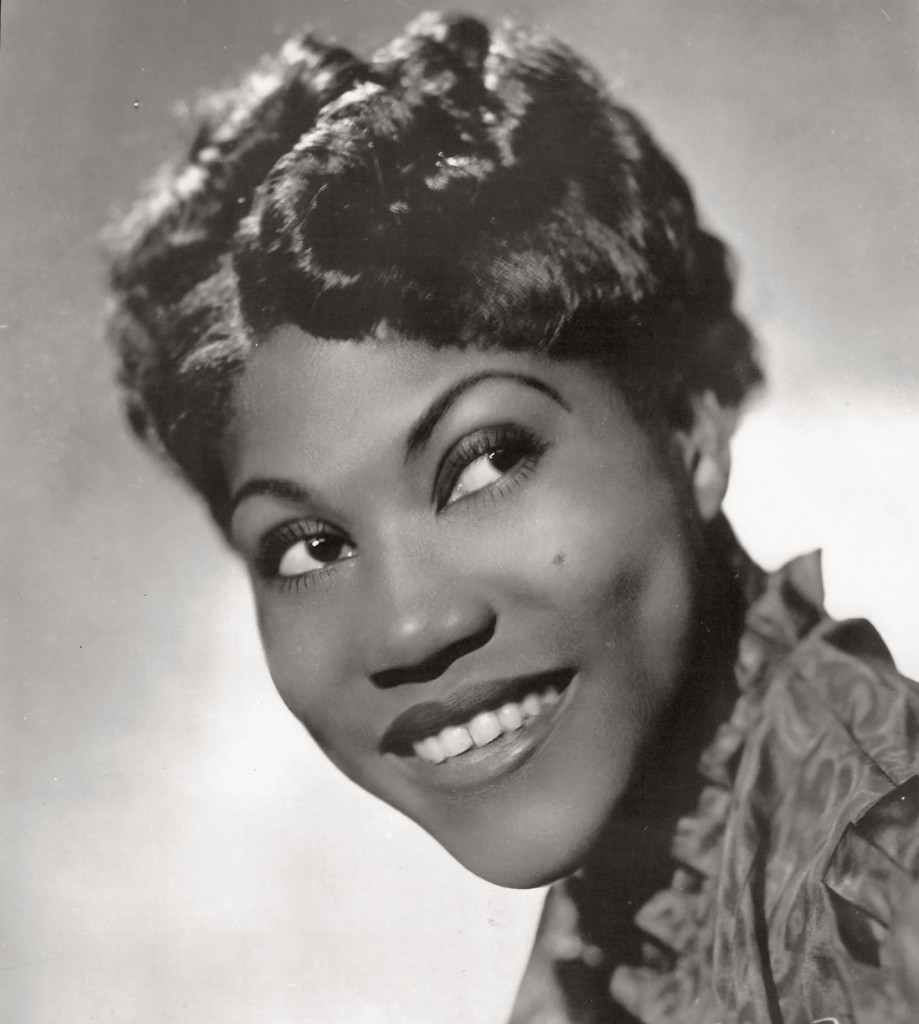
 photo: ollie atkins · public domain ↗
Elvis Presley
sourcesGraceland — Early Childhood (Presley family background, Assembly of God church, gospel sings) · uDiscover Music — Arthur 'Big Boy' Crudup, The Blues And Elvis (July 5, 1954 Sun Studio session) · Baptist Press — Gospel Music's Jake Hess Leaves Wide-Ranging Legacy (Hess as Presley's idol) · Chattanoogan — Thomas 'Mosie' Lister, A Favorite of Elvis ('His Hand in Mine' as Presley's favorite gospel song) · Elvis.com.au — J.D. Sumner talks about Elvis (the Ellis Auditorium stage-door story) · uDiscover Music — Sister Rosetta Tharpe · Songs That Saved You — Sister Rosetta Tharpe's 'Strange Things Happening Every Day' ('rock n roll's inception')
Elvis Aaron Presley was born January 8, 1935, in Tupelo, Mississippi, the surviving half of twins; his brother Jesse was stillborn. The Presleys were Assembly of God, and his mother remembered him barely old enough to talk before he was climbing out of the pew toward the choir. Tupelo also gave him the blues drifting from Black neighbors and the country radio his family kept on, and by his teens he was slipping into Memphis's all-night gospel sings, Black and white audiences both. On July 5, 1954, an off-hand runthrough of an old blues number at Sun Studio became his debut single. Within two years the sound built from that church, those radio dials, and that one taped-over evening had a name the industry hadn't needed before: rock and roll.
the sound in question
1956
Heartbreak HotelElvis Presley
walk the tributaries ↓
Arthur Crudup1940s · Delta blues
Presley named the debt himself. "Down in Tupelo, Mississippi, I used to hear old Arthur Crudup bang his box the way I do now," he told the Charlotte Observer in 1956, "and I said if I ever got to the place I could feel all old Arthur felt, I'd be a music man like nobody ever saw." Years after that Tupelo vow, on July 5, 1954, he cut Crudup's "That's All Right" at Sun Studio; producer Sam Phillips rushed the acetate to a Memphis DJ, who played it seven times running and told his listeners it was a hit.
listen: upstream & heresource: PBS NewsHour — He wrote Elvis' first hit, but Arthur Crudup barely got paid (1956 Charlotte Observer quote on Crudup) ↗
1946
That's All RightArthur Crudup
1954
That's All RightElvis Presley
listen forCrudup's original ambles — a loping, downbeat blues shuffle with his voice sitting behind the beat. Presley's version, cut with Scotty Moore's guitar and Bill Black's slapped upright bass, pushes the tempo up and shifts the weight onto the offbeat until the shuffle turns into something closer to a gallop — same lyric, same chord changes, sung by a twenty-year-old who sounds like he's hurrying to keep up with his own record.
The Statesmen Quartet1950s–60s · Southern gospel / Gospel / Contemporary Christian
In Memphis, teenage Presley talked his way into the all-night gospel sings at Ellis Auditorium — when he ran short of ticket money, Blackwood Brothers bass singer J.D. Sumner started waving him in the stage door for free. What he went back for was the Statesmen's Jake Hess, reportedly "the singer he most wished to emulate." Hess's exaggerated vibrato and syllable-by-syllable phrasing became Presley's own vocabulary for a ballad. In 1960, RCA called songwriter Mosie Lister: Presley wanted to record the Statesmen's "His Hand in Mine" as the title track of his first gospel album — the very song he'd once stood in the wings to hear.
listen: upstream & heresource: Elvis Info Net — The Statesmen Quartet and Elvis Presley (vocal technique Presley adopted from Hess) ↗
1953
His Hand in MineThe Statesmen Quartet
1960
His Hand in MineElvis Presley
listen forThe Statesmen sing it as pure quartet architecture — four-part harmony holding Hess's lead in a tight frame, his vibrato swelling wide on the held notes. Presley's version, cut with the Jordanaires in three takes at RCA Studio B, keeps that same harmonic cushion but puts one voice out front, stretching Hess's syllable-by-syllable phrasing until the softest lines sound almost spoken, right before the chorus swells back up to full voice.
Sister Rosetta Tharpe1940s · Gospel / Rock and roll
Sister Rosetta Tharpe had already spent a decade proving gospel could carry an electric guitar and a backbeat before Presley ever picked one up. Her 1944 single "Strange Things Happening Every Day" — the first gospel record to cross onto the R&B charts — paired boogie-woogie piano with distorted, testifying guitar; music historians have called it rock and roll's own inception point. PBS's American Masters and other music historians count Presley, alongside Chuck Berry and Little Richard, among the artists who inherited that fusion of sacred fervor and secular drive.
listen: upstream & heresource: PBS American Masters — Sister Rosetta Tharpe ↗
1944
Strange Things Happening Every DaySister Rosetta Tharpe
1967
How Great Thou ArtElvis Presley
listen forTharpe's guitar cracks and stutters under her own voice, gospel testimony played at a volume nobody had used on a hymn before. Presley's "How Great Thou Art," cut more than two decades later, trades the guitar for an orchestra and a choir, but keeps the vocal move Tharpe pioneered: a hushed, conversational verse that builds, phrase by phrase, into a full-throated, near-shouted peak — sacred feeling delivered with rock and roll's nerve, if not its guitar.