walking upstream…
Built to Spill


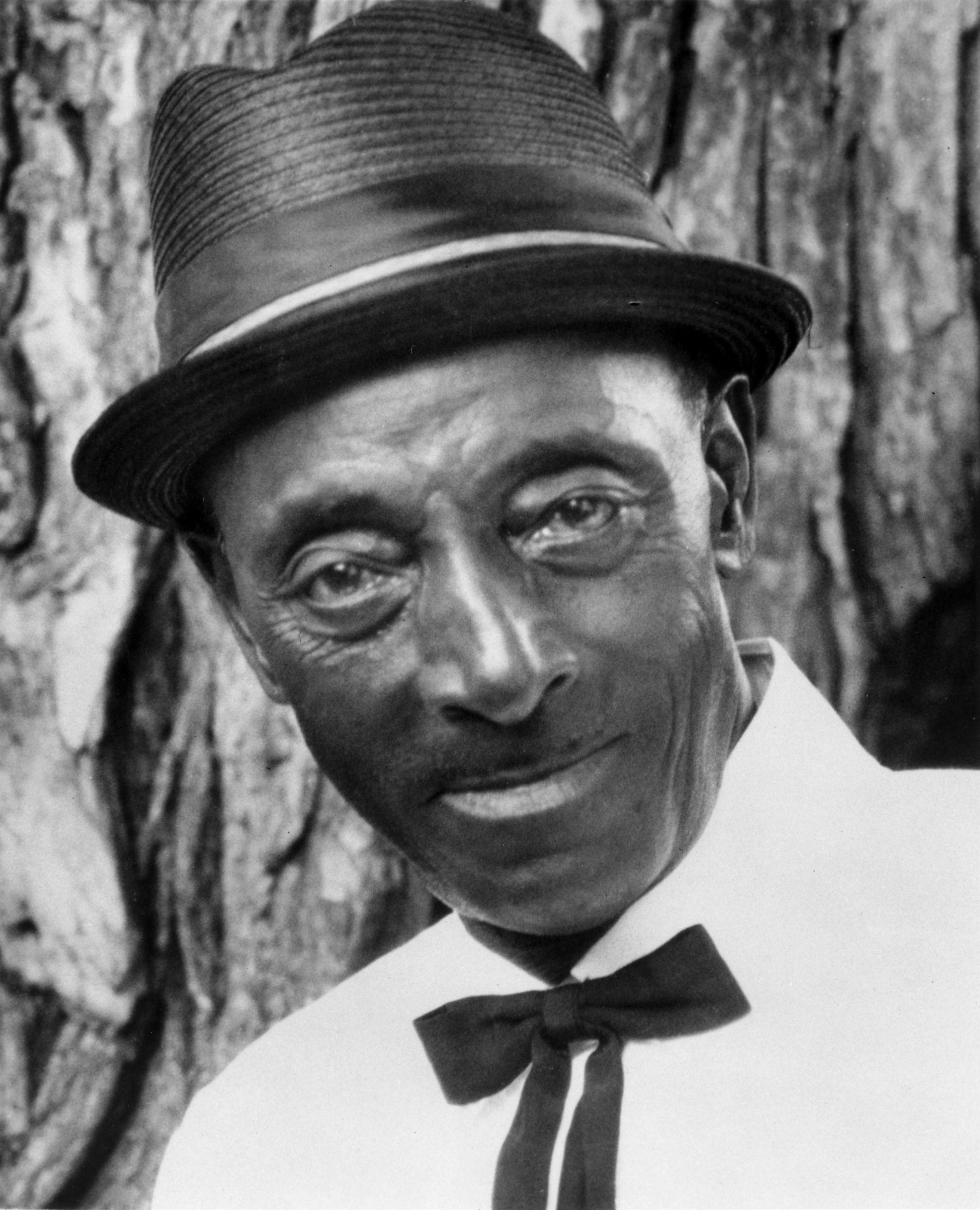
 photo: matthewvetter · cc by-sa 4.0 ↗
Built to Spill
sourcesNo Depression — Doug Martsch · Uproxx — Doug Martsch Reviews Every Built To Spill Album (Mascis/Young guitar influence, You Are/Happiness origin) · Pitchfork — Built to Spill interview, 2006 (Mascis/Young whammy-bar technique, blues discovery) · Bandcamp Daily — Doug Martsch picks his Bandcamp favorites (You're Living All Over Me as key record) · Thrasher — Built to Spill interview, 2018 (rotating-lineup concept) · Wikipedia2
Doug Martsch built Built to Spill in Boise in 1992, back from Seattle where his old band Treepeople had quietly started auditioning other guitarists. He shaped the new project so no lineup could calcify the way Treepeople's had -- he later told Thrasher he wanted people "enjoying each other's company" rather than repeating the "emotional issues" that wrecked his old band -- and rotated bassists and drummers for three albums before settling on Brett Nelson and Scott Plouf. Perfect from Now On (1997) turned that patience into a signature: side-long, dual-guitar songs that treated the extended solo as an indie-rock virtue rather than a classic-rock relic. Keep It Like a Secret (1999) became the band's first record to chart. Built to Spill's real subject was never a genre -- it was how far one guitar line could wander before a song had to end.
the sound in question
1994
CarBuilt to Spill
walk the tributaries ↓
Dinosaur Jr.1980s–90s · Alternative rock / Indie rock / Noise rock
Martsch has called Dinosaur Jr.'s 1987 album You're Living All Over Me "maybe the most influential record for Treepeople and Built To Spill as well" -- the record, he told Bandcamp Daily, married punk rock to classic-rock songcraft in a way that rewired how he heard a guitar solo: "It's like J. Mascis takes everything you like about classic rock solos and fractures it, but in the nicest, prettiest way." No Depression later reported that Martsch's own reedy, high singing voice traces back to the same source -- modeled, by his own account, on Mascis's.
listen: upstream & here
1987
SludgefeastDinosaur Jr.
1994
CarBuilt to Spill
listen forCue up "Sludgefeast" against Built to Spill's "Car": both ride a loud, melodic guitar solo that bends notes with the whammy bar instead of racing through them, turning a classic-rock lead into something stranger and prettier -- the move Martsch says he learned whole from Mascis. His own thin, half-cracking vocal sits over the riff the way Mascis's does on record.
Neil Young1970s · Folk rock / Country rock / Rock
Martsch traces his lead-guitar style to two names at once: "J. Mascis was really big for me, and Neil Young, too," he told Uproxx, "just melodic guitar playing." Pressed on what exactly Young gave him, he got specific: "the way he would use the whammy bar, and how it was expressive, and the notes he would choose." Built to Spill made the debt literal onstage, stretching a cover of Young's "Cortez the Killer" out past twenty minutes -- long enough that a recording of it became its own track on the band's 2000 live album.
listen: upstream & here
1975
Cortez the KillerNeil Young
2000
Cortez the Killer (Live)Built to Spill
listen forPut Young's original "Cortez the Killer" against Built to Spill's twenty-minute live cover and the transfer is total: Martsch keeps Young's slow-motion pentatonic phrasing and unhurried whammy-bar bends close to note for note through the melody, then simply refuses to stop, stretching a six-minute studio meditation into a marathon solo that circles the same handful of chords without ever resolving toward an ending.
Mississippi Fred McDowell1960s · Hill country blues / Delta blues
Before making his 2002 solo record, Martsch spent months with old blues and folk 78s checked out of the Boise library, especially Alan Lomax's field recordings of Delta slide guitarist Mississippi Fred McDowell. "I was definitely emulating him," he told No Depression. "I took his tools, and his ideals. All I did was put picks on my fingers and use my slide guitar, but play my own thing." The exercise riffs he wrote chasing that sound didn't stay solo material -- Martsch has said songs like "You Are" and "Happiness" "are just my blues songs that went over to Built to Spill."
listen: upstream & here
1959
Shake 'Em on DownMississippi Fred McDowell
2001
HappinessBuilt to Spill
listen forLine up McDowell's droning 1959 recording "Shake 'Em on Down" against Built to Spill's "Happiness": both ride a slide-guitar line buzzing and sliding over a one-chord vamp, built more on drone and texture than on chord changes -- the hill-country pull Martsch absorbed while teaching himself slide guitar during the same stretch of writing that later produced this song and its solo-album cousins.