walking upstream…
Joe Higgs
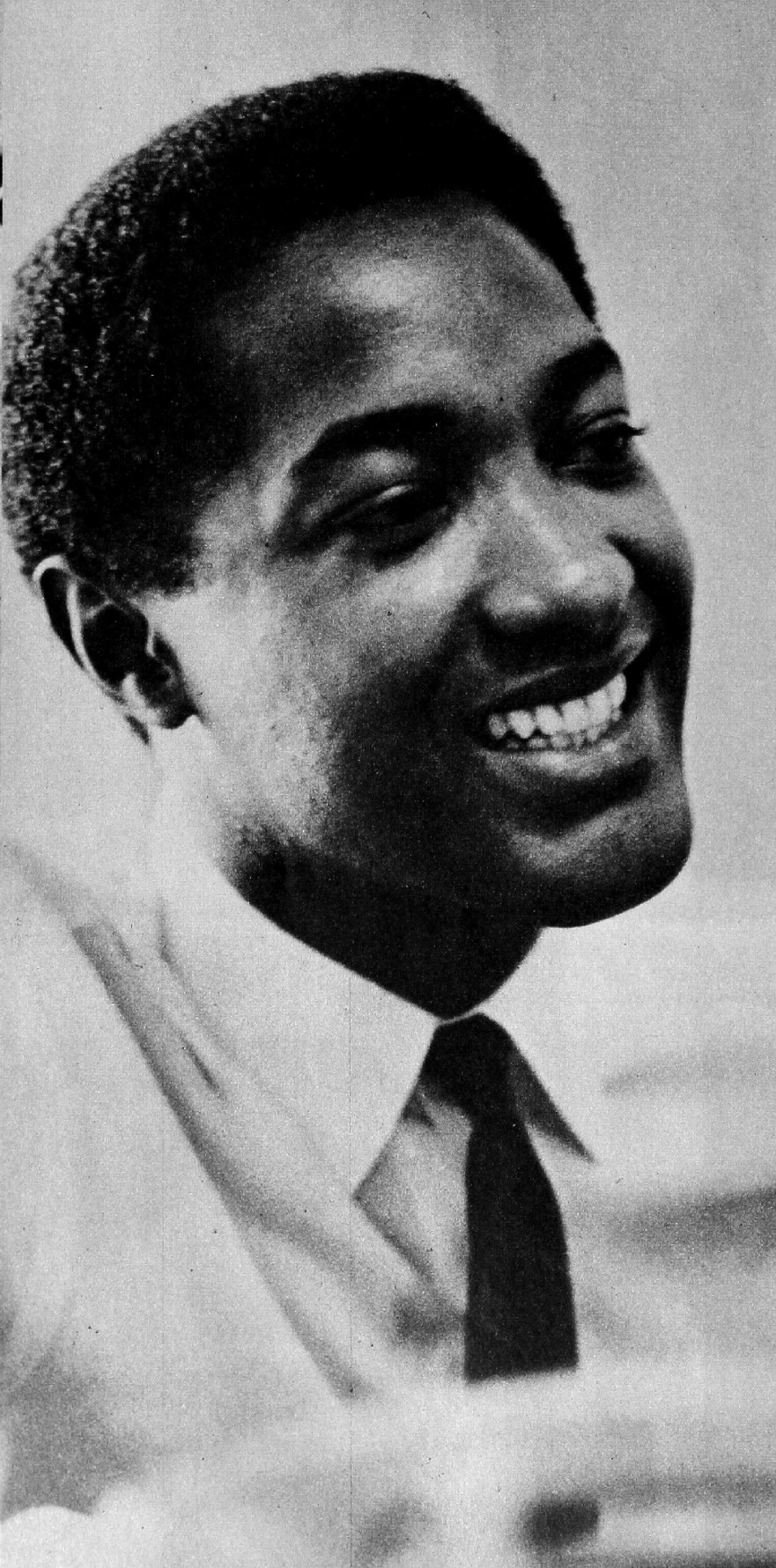


Joe Higgs
sourcesThe New York Times — Joe Higgs, 59, Reggae Performer; Taught a Generation of Singers (bio, jazz-phrasing description) · iration.com — Joe Higgs Biography, by Roger Steffens (jazz-connection quote, Seaga/Sam Cooke booking detail) · Perfect Sound Forever — Joe Higgs · Wikipedia — Joe Higgs (lead biographical facts)
In 1977, filmed for the documentary "Roots Rock Reggae," Joe Higgs looked at the camera and called reggae "a confrontational sound... freedom, that's what it's asking for. Acceptance, that's what it needs." He'd already spent two decades earning the right to say so. Born in Kingston in 1940, Higgs broke through in 1960 with "Oh Manny Oh," a duet with Roy Wilson that sold 50,000 copies and made him one of Jamaica's first homegrown recording stars. He built his reputation less on hits than on his ear, threading jazz phrasing, blues grit and gospel testimony into ska and rocksteady years before "reggae" was even a word. That gift for teaching, more than for singing, would come to define his name — but the education started long before he had students of his own.
the sound in question
1975
There's A RewardJoe Higgs
walk the tributaries ↓
Sam Cooke1960s · Soul / R&B / Gospel
Higgs's first manager, Edward Seaga — later Jamaica's prime minister — booked the teenage singer on local bills alongside touring American stars, including Sam Cooke. Higgs never forgot the lesson in his own voice: he told his students that Cooke and Otis Redding both cut "Try a Little Tenderness," and where "Sam's was sweet, sooo sweet," Redding's version "was pure soul" — two ways of inhabiting one song, held up as the difference between smoothness and testimony. It's the choice Higgs kept making on his own records.
listen: upstream & heresource: Reggae Festival Guide — Joe Higgs ↗
1964
A Change Is Gonna ComeSam Cooke
1983
So It GoJoe Higgs
listen forCooke's "A Change Is Gonna Come" rides a string-laden arrangement while his voice stays unhurried, almost conversational, letting the strain show only at the edges of certain words. Higgs's "So It Go" works a similar trick over a spare rocksteady groove: the title line — "so it go, when you no have big friend" — never rises to a shout, the hardship carried in a level, patient tone rather than volume, the hope arriving in the vowels, not the lyric.
Louis Armstrong1920s–30s · Jazz
Roger Steffens, the reggae historian who spent three years interviewing Higgs for an aborted autobiography, remembered him as a teenager "enamored of jazzmen like Billy Eckstine, Louis Jordan and Louis Armstrong" — the trumpeter whose gravel-scat delivery all but invented the idea of a singing voice playing horn lines. Higgs carried that ambition into his own records: introducing "Life of Contradiction," he called himself "the jazz connection for Jamaican music. I like phrasing my own voice like an instrument." It's a line Armstrong could have said about himself decades earlier.
listen: upstream & here
1928
West End BluesLouis Armstrong
1975
There's A Reward for MeJoe Higgs
listen forArmstrong's "West End Blues" opens with an unaccompanied trumpet cadenza, then lets his voice enter like a second horn, sliding off the beat rather than landing squarely on it. Higgs works the same trick on "There's A Reward for Me": listen to how he stretches "reward" and "shame" past where the rhythm section expects them, worrying each syllable the way a horn player bends a note, never quite where the chord tells you it should be.
John Lee Hooker1950s · Delta blues / Electric blues / Boogie
The fullest account of Higgs's own listening comes from Roger Steffens's tribute, written from years of conversation with Higgs before his death: the teenage Higgs was "enamored of jazzmen like Billy Eckstine, Louis Jordan and Louis Armstrong, and blues and r&b masters like John Lee Hooker and Screamin' Jay Hawkins." It's a compressed list rather than a story, and Higgs isn't recorded elaborating on Hooker by name elsewhere — but pairing jazz singers with a Delta bluesman sketches the two halves of the voice Higgs built.
listen: upstream & here
1962
Boom BoomJohn Lee Hooker
1979
Neither Gold Nor SilverJoe Higgs
listen forHooker's "Boom Boom" rides one insistent guitar vamp under a voice that talks as much as it sings, plain and unhurried, letting the groove do the work. Higgs's "Neither Gold Nor Silver" strips down the same way: a spare, circling rhythm behind a vocal that states its case — "it was a love, a love, a wonderful love" — without ornament, closer to testimony than performance, the plainness the clearest thing the two records share.